
You’ll want to preheat your grill to medium-high heat between 375-400°F for standard burgers, or push it to 400-450°F if you’re after an aggressive sear. Keep the lid closed to maintain consistent heat distribution throughout cooking. Aim for an internal temperature of 160°F for food safety and ideal juiciness. However, there’s a two-stage smoking method that’ll elevate your burger game considerably, introducing deeper flavor complexity you won’t achieve with conventional grilling alone.
Optimal Temperature Ranges for Regular Burgers
Before you fire up your grill, you’ll want to preheat it to medium-high heat between 375-400°F, though you can push toward 400-450°F for a more aggressive sear. This temperature range guarantees optimal searing techniques that lock in juices while developing a flavorful crust.
Your preparation methods matter equally. Keep the grill lid closed during cooking to maintain consistent heat distribution and promote even cooking throughout your patties. Direct medium-high heat works best for most burger preferences, delivering dependable results across thickness variations.
For Traeger grills, set to the highest recommended setting around 450°F after preheating. Whether you’re targeting rare, medium-rare, medium, or well-done, this foundational temperature range provides the thermal foundation necessary for achieving your desired doneness level with precision and consistent flavor development. For well-done burgers, aim for an internal temperature of 160°F to ensure food safety. Cook burgers for about 8 minutes total, flipping only once in the middle to ensure even cooking and optimal crust formation. To prevent sticking, remember to oil the grill grates or patties before placing your burgers on the cooking surface. For thicker patties or well-done burgers that tend to dry out at higher temperatures, try placing an ice cube in the center of the raw patty to release moisture as it melts during grilling. After grilling, let your burgers rest for 5 minutes to allow the juices to redistribute throughout the meat for maximum flavor and moisture. When cooking over charcoal, create direct and indirect heat zones to better manage flare-ups and control cooking intensity. Proper seasoning before grilling enhances the flavor profile and helps develop the crust you’re looking for on your burgers.

BBQ / Grill pit thermometer, safe and environmentally friendly.

Large Display: Features a 2 3/8 inches large face for clear visibility; Stem length of 2 7/8 inches enhances accessibility; Enables easy classification of food temperatures in various cooking environments

TEMPERATURE GAUGE: Place directly on cooking surface for precise and easy use
The Two-Stage Smoking Method for Enhanced Flavor
While direct high-heat grilling delivers results, you’ll reveal deeper flavor and superior texture control by employing a two-stage smoking method that separates cooking into distinct phases. You start burgers on an unheated side at 180°F-225°F, allowing smoke penetration during the low-heat stage. This controlled heat transfer reduces thermal momentum, letting patties cook evenly while extending their time in the ideal temperature zone. You’ll achieve over one minute in the 153°F-157°F range versus just 30 seconds with direct heat. Once burgers reach 20°F below your target temperature, you move them to a high-heat side at 450°F-500°F for a final sear. This method yields juicier results with crisp exteriors and enhanced smoky complexity. For homemade ground beef, this two-stage approach helps ensure even heat distribution throughout the patty, reducing the risk of undercooked centers where bacteria may survive. However, remember that store-bought ground beef must reach 160°F for food safety since the grinding process distributes surface bacteria throughout the patty. Using ground beef with at least 15% fat helps retain moisture during the low-and-slow smoke, preventing your burgers from drying out. Alternatively, smoking burgers at a moderate 350°F temperature for 25 to 35 minutes offers a balanced approach that delivers smoky flavor while maintaining juiciness without requiring zone transitions. Avoid lining your grill grates with aluminum foil, as high temperatures can cause aluminum particles to leach into your burgers, potentially posing long-term health risks. Just as with steaks, internal temperature is the most reliable indicator for burger doneness rather than relying solely on cooking time. For a pure smoking approach at 250°F, plan for approximately one hour of smoking until the burgers reach the desired doneness.
Understanding USDA Food Safety Standards
Three critical food safety standards govern burger preparation: maintaining proper internal temperatures, preventing cross-contamination, and following danger zone guidelines.
You’ll cook ground beef burgers to 160°F minimum, checking temperature with a thermometer inserted through the patty’s side. Color isn’t reliable—you need precise measurement.
Perishable food safety demands vigilance during outdoor grilling. You must keep raw patties below 40°F and cooked burgers above 140°F. Time limits matter: you’ve got two hours at room temperature, dropping to one hour above 90°F. If faucet access is unavailable, carry bottled water, soap, and paper towels to clean your grill before cooking. Starting your grill and allowing heat to kill remaining bacteria ensures a safe cooking surface before the burgers go on.
Temperature guidelines extend beyond cooking. You’ll use separate utensils, cutting boards, and plates for raw and cooked items. Pack raw meat in sealed cooler containers on the bottom, away from ready-to-eat foods. Keep a multipurpose dry chemical extinguisher rated for Class B and Class C fires within easy reach to handle grease flare-ups from fat drippings. Position your grill in a well-ventilated outdoor space away from flammable materials to prevent fire hazards. Regularly cleaning the drip pans prevents dangerous grease buildup that can lead to fires during your cookout. Inspect your grill grates for rust buildup before cooking, as corroded surfaces can affect food taste and compromise the structural integrity of your equipment. For gas grills, familiarize yourself with turning off the burners to stop fuel flow in case of an emergency fire situation.
Following USDA standards transforms your grilling from guesswork to reliable, safe preparation.
Doneness Levels and Internal Temperature Guidelines
Once you’ve mastered temperature control, you’ll need to understand how doneness levels translate to both food safety and culinary preference. When selecting meat cuts for burgers, consider that ground beef requires specific internal temperatures to eliminate harmful pathogens while maintaining flavor and juiciness.
Rare burgers reach 120-125°F with a red center, requiring ideal grill surface temperatures of 350-400°F for 4 minutes total. Medium rare achieves 130-135°F with slightly red centers at medium-high heat. Medium burgers demand 140-145°F with light pink centers, needing 4-5 minutes per side over medium-high heat surfaces. Using a meat thermometer ensures you achieve these exact temperatures for consistent results. For the most accurate readings, consider an instant-read thermometer like the ThermoWorks Thermapen ONE, which delivers ±0.5°F accuracy in just 1 second. Budget-conscious grillers can achieve reliable results with the ThermoPro TP20, which offers dual probes and a 300-foot wireless range for under $45.
Well done exceeds 160°F with completely browned centers. Medium well burgers align with FDA Food Code guidelines at 150-155°F with a slightly firmer texture. Each doneness level directly correlates to texture—from soft and tender at rare to mostly firm at medium well. Insert the thermometer into the thickest part of the burger to ensure proper doneness without overcooking. For thinner smashed-style patties, a quality hamburger press can help achieve uniform thickness and faster cooking times on high-heat surfaces. For hands-off monitoring during longer grilling sessions, wireless probes with apps provide precision temperature tracking without constant supervision. Match your grill’s surface temperature exactly to your preferred doneness for perfect results.

Fast & Accurate: Get precise readings in just 1 second with ±0.9°F accuracy. NSF Certified for trusted food safety, this digital food thermometer features a 4.3 inches food-grade stainless steel meat probe, perfect for grilling, frying, baking, making candy and more

【8X Faster + 4X More Precise】: Upgraded with an industrial-leading professional thermocouple sensor, Themomonster meat thermometer digital with NIST certified ±0.5℉ precision provides you the accurate temperature of your food in just 0.5 Seconds.

【Fast & Accurate】Our meat thermometer digital delivers accurate readings within ±1°F in just 1–2 seconds, with a wide temperature range of -58°F to 572°F (-50°C to 300°C). No more waiting over the heat - know your food's exact temperature instantly.
Cooking Times Based on Heat and Thickness
Now that you understand how internal temperatures determine doneness, you’ll need to factor in two variables that dramatically affect cooking duration: your heat source’s intensity and your burger’s thickness.
Direct heat calls for vigilant temperature monitoring due to rapid thermal changes, requiring approximately 6-10 minutes depending on doneness. The two-stage method extends your cooking window substantially, particularly benefiting thick patties that need even heat distribution throughout.
Thin patties cook quickly under direct heat, reaching target temperatures in minimal time. Thick patties demand extended duration and benefit greatly from two-stage grilling, where initial indirect cooking narrows temperature gradients before your searing technique applies finishing heat. Using an instant-read meat thermometer to check the thickest part of your patty ensures accurate doneness levels and removes guesswork from your cooking process. For vulnerable populations like pregnant women and young children, higher internal temperatures provide an additional safety margin against foodborne pathogens.
Consistency matters: standardize patty thickness across multiple burgers to prevent uneven results. Shaping patties about 3/4-inch thick creates an ideal balance between developing a flavorful crust and maintaining a juicy interior. This precision guarantees predictable cooking times and superior flavor development across your entire batch. This two-zone fire setup allows you to sear burgers over direct high heat before moving them to indirect heat for gradual finishing, helping maintain moisture and achieving consistent doneness. Avoid pressing down on patties during cooking, as this forces out valuable juices and can trigger flare-ups that char the exterior while leaving the inside undercooked. After grilling, letting the burgers rest for about 5 minutes enhances their texture and flavor.

【8X Faster + 4X More Precise】: Upgraded with an industrial-leading professional thermocouple sensor, Themomonster meat thermometer digital with NIST certified ±0.5℉ precision provides you the accurate temperature of your food in just 0.5 Seconds.

【Fast & Accurate】Our meat thermometer digital delivers accurate readings within ±1°F in just 1–2 seconds, with a wide temperature range of -58°F to 572°F (-50°C to 300°C). No more waiting over the heat - know your food's exact temperature instantly.

Completely Waterproof: IPX6 waterproof rating means you can wash this cooking thermometer under running water without fear. This food thermometer for cooking ensures cleanup is ultra-fast
Home-Ground Beef: A Superior Alternative
You’ll find that grinding your own beef at home transforms your burger’s nutritional profile and flavor potential in ways store-bought patties can’t match. When you select grass-fed beef and grind it yourself, you control the fat ratio while maximizing nutritional benefits. A quarter-pound patty delivers approximately 20 grams of protein alongside essential micronutrients—zinc, iron, and B vitamins—supporting muscle growth and satiety. Protein deficiency is rare in the United States, so focusing on quality sources ensures you’re meeting your nutritional needs efficiently.
Home-ground beef from pasture-raised cattle exhibits superior fatty acid profiles, with markedly lower saturated fat and improved omega-3 ratios compared to conventional options. These health considerations matter: lean beef supports heart health within a balanced diet when you limit red meat consumption to 12-18 ounces weekly. Grass-fed beef also contains higher levels of conjugated linoleic acid and antioxidants like vitamin E, further enhancing the nutritional value of your homemade burgers. Like other quality proteins, home-ground beef provides essential vitamins and minerals that support metabolism, energy production, and immune function when incorporated into a balanced eating pattern. To ensure your burgers consistently reach their peak potential, investing in a quality grill and maintaining it through regular cleaning and coverage can extend its lifespan significantly, giving you years of reliable performance for your home-ground creations. For cooking your patties, consider models with durable cast-iron grates that deliver the even heat distribution necessary for achieving consistent results across every burger.

USDA Certified Organic Beef: Organic Rancher ground beef comes from cattle raised on certified organic pastures with lifetime traceability. Free from antibiotics, added hormones, synthetic chemicals, and GMOs

100% Pure and Natural: Our Argentine Grass-Fed & Finished Beef Liver Powder is sourced from pasture-raised, free range cattle, without hormones, steroid or antibiotics. No fillers, additives, or preservatives. Nothing added ensuring the highest quality and nutritional value.
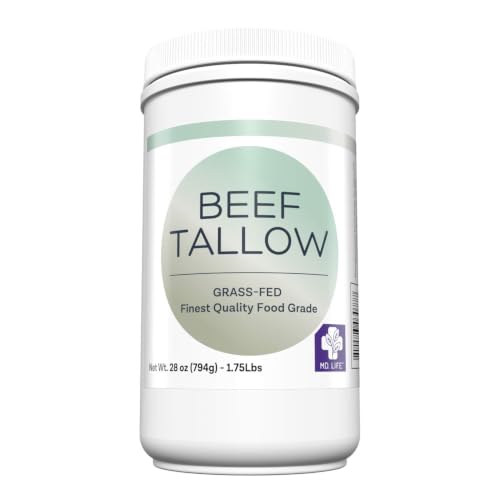
WHY BEEF TALLOW? Keto friendly tallow supports health & helps regulate the immune system to provide deep nourishment for development and growth. For people on the keto-diet, beef tallow is a must have. This is because beef fat may help your body become a fat-burning machine by allowing it to go into a state of ketosis. Essentially, tallow helps to stimulate the production of glucagon. A high ratio between glucagon & insulin signals the body to release fat stores to burn as energy.*
Tips for Consistent and Perfectly Cooked Results
Three critical factors—temperature accuracy, timing, and heat management—separate mediocre burgers from exceptional ones. You’ll achieve superior patty texture characteristics through careful grilling equipment selection and thermometer verification, since actual temperatures vary considerably between models.
Preheat your grill thoroughly before placing patties, ensuring consistent surface cooking. Use a two-stage approach: cook indirectly until reaching 155°F, accounting for five-degree carryover cooking to reach the safe 160°F minimum. This method provides twice the window for proper doneness control. Cook the burgers for 3-5 minutes per side for medium doneness, flipping only once to preserve the juices and develop an ideal crust. Understanding how conduction from the grate creates those desirable sear marks helps you position patties optimally for even browning.
For ideal crust development, sear briefly at high heat after slow-cooking. Close your lid strategically to manage heat distribution without overcooking interiors. Remove burgers slightly before target temperature, allowing residual heat to finish cooking perfectly. Using a meat thermometer ensures you hit your desired doneness without guesswork, just as precision matters when grilling other proteins. This precision transforms your results. Preheat the grill to medium-high to high heat, around 375-400°F, for optimal searing and flavor development. For charcoal setups, consider using a two-zone fire by banking coals to one side to better control heat distribution. Charcoal grills with adjustable dampers provide steady high-heat control essential for maintaining consistent temperatures throughout the cooking process. Gas grills with built-in thermometers help you monitor heat levels accurately without lifting the lid and losing precious temperature.

FAST & ACCURATE INSTANT READ: Get temperature readings in just 2-3 seconds with ±1°F accuracy. Whether you're grilling steaks, roasting turkey, smoking brisket, or baking bread, this digital meat thermometer helps you monitor food temperature quickly and confidently

【Instant & Accurate Readings】Get precise temperature results in just 2-3 seconds with Q128 Instant Read Meat Thermometer. With a wide range of -58°F to 572°F (-50°C to 300°C) and ±1°F/°C accuracy, it’s perfect for grilling, baking, BBQ, and candy making, ensuring your food is cooked to perfection every time

More Accurate, More Professional: With a National Institute of Standards and Technology (NIST) certification for its ±0.5℉ accuracy, this meat thermometer is a game-changer cooking tool for BBQs, roasts, candy, and everyday meals, ensuring your food is cooked safely and deliciously every time.