

You’ll establish a two-zone fire with 50 charcoal briquettes, creating indirect heat by arranging coals around the grill’s perimeter. Select a turkey weighing 20 pounds or less, pat it dry, season generously with kosher salt and pepper, then position it over a central drip pan. Maintain your grill between 300°F and 350°F by adjusting vents and adding 5-8 briquettes hourly. Monitor the turkey’s internal temperature continuously until it reaches 165°F, then rest before carving. The specifics of timing and technique warrant further exploration.
Grill Setup
Before you place your turkey on the grate, you’ll need to establish a proper two-zone fire with indirect heat. Start by igniting approximately 50 charcoal briquettes using lighter fluid or a chimney starter. Allow them to develop white ash, then burn for 20 to 30 minutes until covered with grey ash.
Next, push the coals away from the center to form a ring on the grill’s outside. Your coal distribution should create two even piles on opposite sides, leaving the middle empty as your cool zone. Position the grate so its handles align over the coal piles. Kettle-style grills are particularly effective for this two-zone setup due to their design and heat retention properties. Consider upgrading to a charcoal grill with superior heat retention features like ceramic construction for even better temperature control throughout your cooking process.
Place a disposable 9×13-inch drip pan in the center between coals, and fill a water pan with water in the void between the coal piles. This setup maintains consistent indirect heat at approximately 350°F throughout cooking. The water pan helps moderate temperatures through convection heat transfer as hot air circulates around it. Do not use the drippings from the pan, as this ensures food safety and prevents flare-ups. You should plan to add fresh briquettes every 30-45 minutes to maintain your target temperature and ensure even cooking. Preheating the grill with opened vents before placing your turkey will help ensure the most even cooking temperature throughout the process.

🧳 Lunchbox‑Size Portable BBQ – Unfolds from a compact carrying case; open the hasp and fold out the legs to start grilling fast.

Gas and charcoal combination grill with additional side burner for ultimate cooking versatility - Dual fuel grills, sometimes called combo grills or dual-function grills or multifuel grills, are a newer style of grill that combines the best of charcoal grilling along with the convenience of a gas grill in one

【Built-In Water Pan for Juicy BBQ & Stable Temps】 Stop guessing temperature control. The integrated water pan adds essential moisture to the cooking chamber, preventing meat from drying out during long smokes. It also acts as a heat sink to stabilize low temperatures, making it easier to maintain that perfect 225°F for briskets and ribs. Get that tender, fall-off-the-bone texture every time.
Turkey Preparation
With your grill properly configured for indirect heat cooking, you’re ready to prepare the turkey itself. Start by selecting a turkey weighing 20 pounds or less—this guarantees optimal cooking on a charcoal grill. Choose fresh or fully thawed poultry under 16 pounds for even results.
Remove giblets and neck from the cavity immediately. Pat the turkey dry, then brush the exterior with melted butter or olive oil. Season generously with kosher salt and black pepper, applying approximately one tablespoon salt and three teaspoons pepper. Allow sufficient time for full thaw if working with a frozen turkey, planning for approximately 24 hours per 5 pounds in the refrigerator.
For enhanced flavor, consider brine preparation before grilling. A probe thermometer will help you track internal temperature accurately throughout the cooking process. Allowing the turkey to rest after grilling helps redistribute juices before carving. Fill the cavity loosely with aromatics like cut lemons, garlic, and fresh herbs such as rosemary or thyme. The safe internal breast temperature should reach at least 160°F to 165°F to ensure the turkey is properly cooked through. If you have brined the turkey, skip the salt and season with just pepper to avoid over-salting the meat. These turkey selection tips and brine preparation techniques establish the foundation for successful grilling.
Grilling Process
Now that you’ve prepared your turkey, it’s time to set up your charcoal grill for the indirect cooking method that’ll deliver even heat and ideal results. Begin by removing grates and opening vents, then place a drip pan centrally on the bottom grate. Line opposite sides with 25-30 briquettes, light them, and let them burn 20-30 minutes until ash-covered. Divide the coals evenly into two piles flanking the drip pan—this coals arrangement establishes your indirect cooking zone.
Position your turkey over the drip pan on the cooking grate with legs toward the cooler side. Cover the grill, adjusting vents half-way open for slow, steady fire. Maintain temperature monitoring throughout cooking, targeting 350 degrees using an instant-read thermometer in the thickest breast part. Check progress every 30 minutes, adjusting coals as needed. Ensure the turkey reaches a safe internal temperature of 165°F in both the breast and thigh before serving. For enhanced moisture and flavor complexity, consider basting periodically with butter or pan juices collected in your drip pan. Like smoking methods, allowing the turkey to rest after cooking helps retain juiciness before carving. Using probe thermometers will provide the accuracy needed to confirm your turkey has reached the proper doneness throughout the cooking process. Once finished grilling, safely extinguish your charcoal grill by closing all vents completely to cut off oxygen supply and allow the coals to cool naturally.
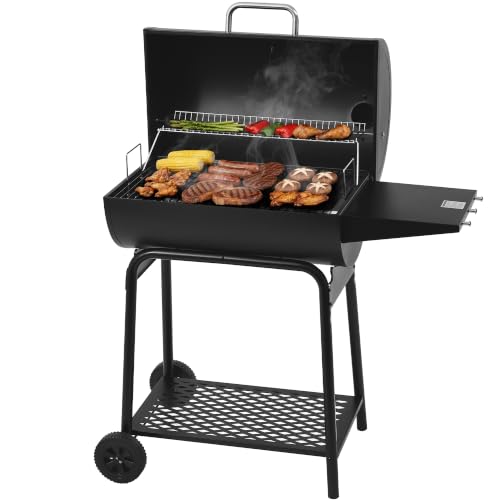
Generous Cooking Area: This charcoal grill offers a roomy 585 sq. in. cooking zone. It has 434 sq. in. porcelain-enameled steel wire cooking grates and an 151 sq. in. chrome-plated steel wire warming rack. You can easily cook large pieces of meat all at once, perfect for big family BBQs or gatherings

Superior Construction - The GasOne barbecue grill charcoal features a 14-inch / 150-square inch cooking surface which is spacious enough to prepare steaks or vegetables but compact at the same time to ensure even heat distribution and uniform cooking

Heads Up! This hefty cast iron grill isn’t for lightweight seekers. Prone to rust without care (needs quick brush, dry, and oil wipe)—but with basic upkeep, it lasts a lifetime! Ideal for 2 people—too small for big groups. We’re transparent to help you find your perfect match.
Temperature Maintenance
Successfully grilling a whole turkey demands precise temperature control throughout the cooking process. You’ll maintain your charcoal grill between 300°F and 350°F for ideal results, with 225°F available for extended cooking times.
Achieve ambient temperature control by adjusting your vents strategically. Set your bottom damper to approximately half-open and your top vent to quarter-open, making wider openings to increase heat and closing them to decrease it. Flipping the turkey after 1-1.5 hours ensures even cooking on both sides.
Monitoring consistency requires hourly charcoal maintenance. Add five to eight briquettes gently to each charcoal bed every hour, preventing ash dispersal onto your turkey. Consider using a Kingsford™ Chimney Starter to prepare additional briquettes before adding them to your fire. A chimney starter offers a chemical-free way to light charcoal while ensuring briquettes are evenly heated and ready for consistent temperature maintenance. Proper airflow management through your grill vents is critical for maintaining steady heat throughout the cooking process. Strategic fuel layering helps ensure gradual ignition and sustained heat output. For optimal grill performance, incorporate routine grate maintenance to ensure your cooking surface remains clean and free of debris. Keeping your grill lid closed as much as possible will help stabilize temperature throughout the cooking process. A grill thermometer is essential for continuous temperature checks that inform your charcoal and vent adjustments throughout the cooking duration.
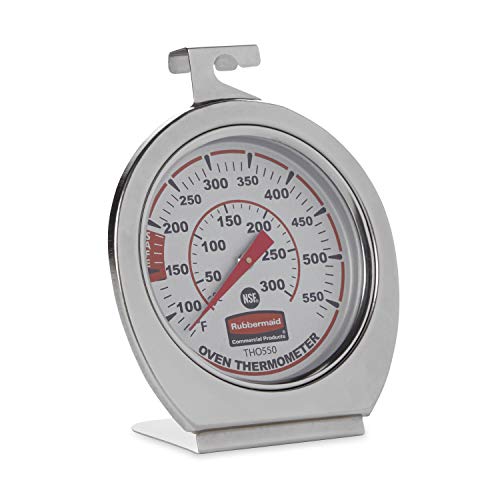
FOOD SAFETY: Thermometer displays true oven temperature instantly to ensure safe food preparation

BBQ / Grill pit thermometer, safe and environmentally friendly.

Large Display: Features a 2 3/8 inches large face for clear visibility; Stem length of 2 7/8 inches enhances accessibility; Enables easy classification of food temperatures in various cooking environments
Cooking Times and Doneness
How long does your turkey actually need on the grill, and when can you confidently say it’s done? You’ll calculate approximately 11 to 13 minutes per pound, though a 16-pound turkey requires roughly 3.5 to 4 hours. Don’t rely on skin appearance alone—gradual darkening indicates proper progress, but only a meat thermometer confirms doneness. Insert the thermometer into the thickest thigh portion without touching bone; you’re targeting 180°F there and 161°F in the breast’s thickest part. During grill checks every 30 minutes, tilt your turkey to drain accumulated juices into the drip pan below. This juices management prevents pooling while providing accurate progress assessment. As you monitor the turkey, add five to eight briquettes to each bed of charcoal every hour to maintain consistent heat throughout the cooking process. Rotating the bird periodically ensures even heat distribution across all sides of the turkey. Allowing the turkey to rest for 10 to 15 minutes after cooking permits juices to redistribute, ensuring tender and moist meat throughout. For enhanced results, allow the turkey to rest for at least 15 minutes after reaching the target internal temperature, which helps retain juiciness and flavor. Consider brining your turkey for up to 48 hours before grilling to enhance moisture retention and flavor. Using medium-smoking woods like pecan or hickory can complement charcoal grilling and enhance the turkey’s natural flavors. Temperature verification remains your sole dependable method for ensuring safe consumption.
Resting and Serving
Once your turkey reaches the target internal temperatures, you’ll remove it from the grill and let it rest for 20 to 30 minutes before carving. Tent it loosely with aluminum foil to maintain skin crispness while allowing juices to redistribute throughout the bird. This resting period prevents juice loss during slicing and secures moist texture. Cooked turkey can be held for up to 1 hour by loosely tenting with foil if you need additional time before serving.
Position your turkey on a cutting board. Verify the thickest thigh reaches 180°F before proceeding. For consistent temperature control throughout your cooking process, consider using a grill that maintains stable temperatures even in varying weather conditions. Before grilling your turkey, season your grill grates with high-temperature cooking oil to prevent sticking and ensure even heat distribution. The redistribution of juices during resting is essential for achieving tender, juicy results throughout the meat. Allow the turkey to rest covered in foil after grilling to ensure the carry-over cooking process completes safely. After grilling, clean your grill grates with mild detergents to maintain hygiene and prepare for future use.
Apply proper carving technique by removing each breast in one piece, then slicing against the grain. Separate legs and wings after breast removal. Use a sharp knife for clean cuts. For optimal results, carve the breast in one piece, then slice across the grain to ensure each serving maintains its tenderness and visual appeal.
Serve immediately post-carving at ideal serving temperature for maximum warmth and flavor. Pair with gravy made from drippings if desired.


