
You’ll smoke your prime rib for roughly 4 to 5 hours at 225°F to 250°F, maintaining superior smoke density and penetration throughout the cook. Pull the meat when it hits an internal temperature of 125°F, accounting for carryover cooking that’ll bring it to a perfect medium-rare at 130°F. Deploy a wireless probe in the thickest section and use phone app notifications to monitor progress without lifting the lid. Proper temperature control and probe placement are critical—master these techniques, and you’ll reveal the secrets to restaurant-quality results.
Preparing Your Prime Rib for the Smoker
You’ll want to start by trimming your prime rib’s fat cap to roughly ¼ inch thickness—a critical step that balances flavor retention with proper bark development during smoking. Use a sharp fillet knife for precision, then pat the roast dry to prepare for seasoning.
Next, coat all surfaces with ¼ to ⅓ cup extra virgin olive oil, which helps seasonings adhere effectively. Apply 1-2 tablespoons each of kosher salt and coarse black pepper in a 50:50 ratio for complete coverage. You can also use tallow or lard as alternatives to olive oil for coating your prime rib before seasoning.
Consider creating aromatic herb coating by mixing fresh rosemary, thyme, sage, and minced garlic into the oil base. You can also incorporate Dijon mustard and Worcestershire sauce for additional depth. For a premium option, choose Prime grade beef which has more marbling resulting in superior flavor and tenderness compared to Choice or Select grades. The evaluating pre-smoking resting period is essential—refrigerate overnight or bring the roast to room temperature before smoking for ideal seasoning incorporation and consistent results. A dry marinating overnight approach enhances both flavor penetration and tenderness by allowing the seasonings to fully absorb into the meat. While extra virgin olive oil works well for seasoning adherence, refined avocado oil offers a higher smoke point that makes it better suited for high-heat grilling applications. If you’re planning to sear your prime rib before or after smoking, a cast iron griddle provides superior heat retention and even distribution for achieving a perfect crust. To maximize searing performance, look for grills with cast iron grates that maintain consistent high temperatures and create restaurant-quality crust marks. Before firing up your smoker, ensure your deck is protected with a heat-resistant grill mat that extends beyond the smoker’s footprint to catch any drippings or ash.


It is green with golden reflections and intensely fruity. The notes are elegant and spicy with elements of green tomato. You may notice the clear notes of balsamic herbs and sweet almond, the latter certainly from the single variety of Tonda Iblea olives. The result is a nice harmony of sweet, bitter, and spicy elements
Choosing the Right Smoker Temperature
Once your prime rib’s been seasoned and rested, nailing the right smoker temperature becomes your foundation for success. You’ll want to target 225°F to 250°F for ideal smoke flavor without unnecessarily extending your cook time. At 225°F, you’re hitting the sweet spot that professionals consistently recommend—this baseline temperature gives you superior smoke density control and allows the meat to absorb robust flavors gradually. If you’re using an electronic pellet smoker, you’ll benefit from precise temperature consistency that other smoker types can’t match. Should your roast finish early or late, you’ve got flexibility to adjust between 200°F and 250°F. Just remember: temperatures above 250°F sacrifice smoke penetration for speed, compromising the quality you’re chasing. This low-and-slow method ensures that fat and connective tissues render properly, delivering tender and flavorful results. For a 4 lb prime rib, monitor the internal temperature with a meat thermometer to ensure accuracy. An instant-read thermometer like the ThermoWorks Thermapen ONE delivers ±0.5°F accuracy with 1-second read times, giving you precise control over your cook. Plan for approximately 40 minutes per pound of cooking time to ensure your prime rib reaches the ideal internal temperature throughout. Budget-friendly options like the Pit Boss 440 SERIES offer digital temperature control and rust-resistant finishes that make maintaining these precise temperatures accessible for beginners. Pellet grills reduce flare-up risks with their indirect heat design, eliminating open flames that can char your expensive prime rib roast. For those seeking even heat distribution across the entire cooking surface, the Weber Genesis E-315 delivers consistent performance backed by a 10-year warranty.

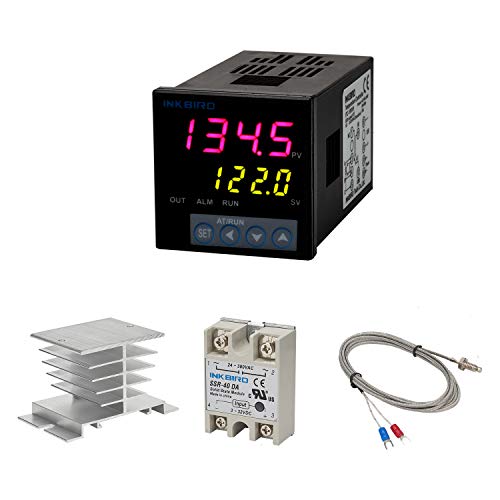
Alarm Output: With 1 alarm relay output, AC250 V, 3 A (Resistive load), ON or NC, you can wire a buzzer
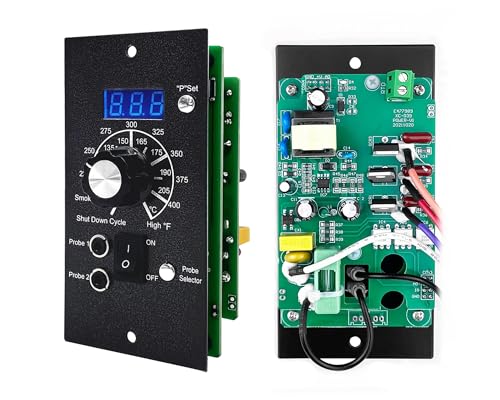
COMPATIBILITY: The grill digital thermostat is replacement for Traeger OEM part BAC365, BAC288, BAC236, fits 20, 22, & 34 Models, including Pro 20/22 34, Texas Elite 34, Lil Tex 22, JUNIOR ELITE 20, Ridgeland, Heartland, Mesa 22, Century 22/34, Silverton (2019), Select Pro, Eastwood 22/24(Not for PTG, Scout, Tailgater, or Bronson)
Calculating Smoking Time by Doneness Level
The perfect prime rib depends on nailing your internal temperature target, which directly determines how long that roast stays on the smoker. At 225°F, you’re looking at 35-40 minutes per pound for rare doneness, reaching 100°F internally in roughly 2.5-3 hours. Bump your temperature to 250°F and you’ll reduce cooking time to 30-35 minutes per pound, targeting 120-130°F for medium-rare. At 275°F, you’ll accelerate the process to approximately 20 minutes per pound for rare results.
Your rub application establishes the foundation for flavor development, while smoke intensity adjustments throughout the cook refine your final product. Thickness matters more than total weight—a 4-inch roast requires similar timeframes regardless of bone configuration. Using a digital meat thermometer will help you monitor internal temperature precisely throughout the cooking process. For optimal results, consider ordering USDA top choice grade or better from a specialty butcher to ensure consistent quality and cooking performance. A wireless grill thermometer with long-range capability lets you track temperature from inside your house without repeatedly opening the smoker lid. Multi-probe systems provide ambient temperature accuracy during extended smoking sessions, ensuring your smoker maintains consistent heat throughout the cook. Starting with cold meat from the fridge maximizes smoke absorption before developing the final crust. For quick temperature checks during the cook, an instant-read thermometer like the ThermoWorks Thermapen ONE delivers the fastest and most accurate readings. After removing the prime rib from the smoker, resting the meat for 15-20 minutes allows juices to redistribute throughout the roast before carving. Always verify doneness with a meat thermometer rather than relying solely on time estimates.
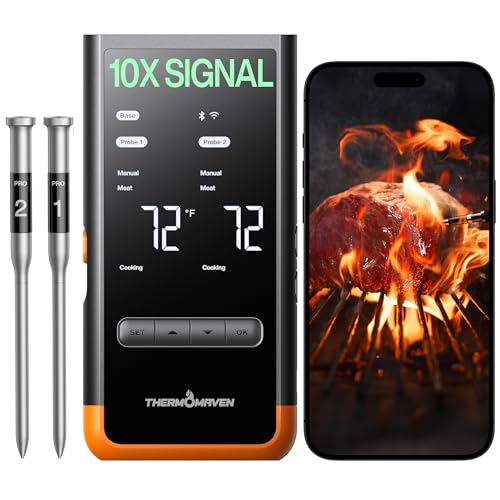
Unmatched Range and Wireless Freedom: Enjoy seamless cooking with Sub-1G technology, providing a 3000ft unobstructed range and 700ft in obstructed areas. Experience 100% wireless freedom with the ThermoMaven G2's Bluetooth connectivity, allowing you to roam freely while connecting effortlessly from the base to the probes.

SMART BASE CONTROL: Set temperatures, monitor progress, and receive alerts directly from the base without needing your phone nearby.

Multi Color backlit display and 4 color-coated probes: Meat probe thermometer for cooking has a one of a kind, large 3.3 inch multi colored backlit and 4 colored probes to let you monitor multiple pieces of meat or your BBQ temp without confusion
Understanding Internal Target Temperatures
Nailing your internal temperature target‘s what separates a perfectly smoked prime rib from an overcooked disappointment. You’ll want to pull your meat at 125°F to account for carryover cooking, which’ll push it to your ideal 130°F during resting.
Understanding ideal temperature ranges across doneness levels helps you nail precision. Rare sits at 120-125°F, medium-rare between 125-135°F, and medium at 135-145°F. Proper temperature measuring techniques demand placing your thermometer in the thermal center—this’s essential for accurate readings. For the most accurate internal temperature monitoring throughout your cook, use a digital thermometer to check your prime rib every 30 minutes or so. Using quality thermometers ensures your meat is cooked accurately and consistently every time.
Here’s the strategy: pull five to ten degrees below your final target, then rest for 15-20 minutes wrapped in foil. This rest period allows internal temperatures to climb while redistributing juices throughout your meat, delivering that perfect medium-rare tenderness and juiciness every time. Residual heat continues cooking your prime rib even after you’ve removed it from the smoker, so timing this rest is crucial. Overheating can dry out your meat, just as it causes albumin leakage in fish, so monitoring temperature closely prevents moisture loss. If you’re looking to achieve a restaurant-quality crust after smoking, consider finishing on a stainless steel grill for a quick high-heat sear. After resting, you can also develop a beautiful exterior by butter basting in a hot skillet to enhance flavor and texture.
Monitoring Your Prime Rib Throughout the Smoke
While your prime rib smokes low and slow, vigilant temperature monitoring’s what separates success from guesswork. You’ll want to deploy a leave-in wireless probe positioned in the thickest meat section, avoiding bone contact that skews readings. Set your temperature alarm settings strategically: program a low alarm 30°F below target for the pre-sear phase, then configure high alarms at 110-115°F before searing and 125°F for your medium-rare pull temperature. Your probe placement methods matter tremendously—insert the tip just below the surface initially, then relocate to the coolest spot once you detect temperature variations. Enable phone app notifications so you’re tracking progress without lifting the lid. Verify readings with an instant-read thermometer at multiple locations to confirm accuracy. Understanding temperature and doneness throughout the smoking process ensures your prime rib reaches the perfect doneness level you desire. Just as with brisket, maintaining precise temperature control throughout the smoking process is essential for achieving consistent results. Using accurate temperature monitoring with a meat thermometer is critical for tracking your roast’s progress and avoiding overcooking. Once your prime rib approaches the target temperature, you can finish with a high-temperature sear to develop a beautifully caramelized exterior crust. The sear triggers the Maillard reaction, creating complex flavors and a rich, savory crust on the surface. Account for 5-8°F of carryover cooking during the rest period after removing the roast from the smoker. After searing, allow your prime rib to rest for 5-10 minutes to redistribute juices and maximize tenderness before carving.
Applying the Perfect Finishing Sear
Your prime rib’s success hinges on executing a high-heat sear that develops a caramelized crust while preserving that perfectly pink interior you’ve worked hours to achieve. Crank your smoker to 500°F+, utilizing using high heat sources like direct grates or cast iron for ideal searing techniques. Sear all sides for 3-4 minutes each, targeting aggressive charring without overshooting your temperature goal.
Pull your prime rib at 110°F pre-sear, accounting for 5-10°F carryover during the searing process and rest period. Apply minimal seasoning—avoid sugar-heavy rubs that’ll burn at extreme temperatures. Instead, use simple salt, pepper, or steak seasoning for a clean crust. The reverse-sear method produces even color and doneness throughout your roast while developing that intense flavor crust. For optimal results, let your roast rest for 1 hour in foil after removing from the smoker and before applying the final sear. This reverse-sear methodology finishes your prime rib at 130-135°F medium rare, delivering restaurant-quality results with that coveted smoke ring and caramelized exterior.
Resting Your Prime Rib for Optimal Results
Once you’ve achieved that restaurant-quality sear and pulled your prime rib from heat, the resting phase becomes just as critical as the smoking itself. You’ll want to rest your prime rib for a minimum of 20 minutes—30 minutes is ideal for complete juice redistribution. Select a roasting pan as your ideal resting vessel, then loosely tent the meat with aluminum foil to maintain warmth without steaming.
Monitor internal temperature using proper meat thermometer usage to ascertain even heat distribution. Your serving temperature will rise approximately 5°F during rest, so pull the meat at 120–125°F for a perfect medium-rare finish. This resting period allows juices to redistribute evenly throughout the meat, preventing moisture loss when you slice. Drizzle any escaped juices over the sliced meat to enhance both flavor and presentation. You can extend rest up to 1.5 hours without compromising tenderness, accommodating guest delays while preserving that restaurant-quality result. The meat will stay warm for up to 1 1/2 hours even after the resting period concludes. Meanwhile, if you used charcoal, begin shutting down your grill by closing all vents completely to cut off oxygen and safely extinguish the coals. While your grill is still warm, apply a thin layer of high-temperature cooking oil to the grates to prevent rust and maintain optimal performance for your next cook. For stainless steel grill exteriors, consider using Bar Keepers Friend powder mixed into a paste for superior cleaning results. Don’t forget to empty and wipe the drip pan to prevent grease buildup and avoid attracting pests. After your smoker cools completely, protect your investment with a quality grill cover that resists UV rays, wind, and weather elements to extend its lifespan.
Wood Selection and Smoke Management
How you choose your smoking wood can make or break your prime rib—it’s the difference between a subtle, complementary smoke ring and an overpowering, acrid crust that masks the meat’s natural richness. Pecan and oak deliver balanced smoke intensity without overwhelming your roast, making them ideal primary choices. Hickory adds robust depth when you want pronounced smokiness, while applewood contributes subtle sweetness for refinement. Reserve mesquite for blending only—its potent character demands restraint on prime rib. Cherry wood’s mild and sweet flavor profile also pairs beautifully with prime rib for those seeking a more delicate smoking experience.
Control your smoke duration by starting strong during the first two hours, then reducing intensity as the meat develops its bark. Monitor your smoker’s output continuously, adjusting vents to maintain steady, thin blue smoke rather than thick, white billows that create harsh flavors. For optimal results, ensure your wood is properly seasoned or kiln-dried with moisture content below 20% to prevent bitter, off-putting flavors. You can use wood chunks or chips depending on your smoker setup, though whole splits provide the most consistent, long-lasting smoke for extended cooks. Mesquite and hickory may not overpower prime rib when used judiciously in your smoking blend. Strategic wood selection and disciplined smoke management elevate your prime rib from good to exceptional.


MATERIALS: Made from 100% natural seasoned hardwood with no unwanted byproducts, our wood chunks burn cleanly and evenly.

REAL CHUNKS, NOT CHIPS — 2"x3" pieces burn 30-60 min each. Chips burn out in 5 minutes.
Basting and Maintenance During Smoking
Maintaining consistent moisture and bark development throughout the cook, you’ll employ three primary basting strategies—each calibrated to your smoker’s temperature and your prime rib’s progression toward doneness. At 350°F, apply ideal butter consistency every 15-20 minutes, drizzling rather than brushing to preserve your seasoning rub. At 275°F, spritz a water-vinegar mixture every 30 minutes for the first 1.5 hours. At 250°F, baste with Worcestershire sauce every 45-60 minutes for bark formation.
These temperature maintenance intervals prevent drying while building complexity. Stop all basting when your roast reaches 118-120°F internal temperature, allowing carryover cooking to reach your target. Rest 10-20 minutes under foil, during which your prime rib climbs an additional 5-10°F toward perfection. For a 6 pound American Wagyu roast, the total smoking duration typically ranges from 3-4 hours depending on your target doneness level. Resting the meat after cooking for at least an hour is essential for juicy, tender results. Just as with grilled mushrooms, proper heat control throughout the smoking process ensures consistently excellent results. If you’re using a pellet smoker, models with PID temperature control can maintain consistency within 5 degrees—particularly valuable for precision cooking like prime rib. Budget-friendly options like the Z Grills 700D3 offer consistent temperature stability even in cold weather conditions, making them reliable choices for smoking prime rib. Remember that Choice grade or higher rib roasts work excellently for prime rib smoking, ensuring quality results regardless of your specific cut selection. Throughout your cook, ensure adequate fuel supply in the hopper to prevent heat loss or unexpected grill shutdown that could compromise your prime rib.

Secures quilt batting to top and back of project

BUILD A DARKER, CRISPIER BARK – Take your barbecue beyond basic seasoning with Spritz King, a flavour-packed BBQ spray designed to help create a deep, robust bark and deliciously crisp exterior. The fine mist lightly coats the cooking surface, helping develop the colour, texture and flavour that makes slow-smoked meats so irresistible.