
You’ll smoke ring bologna for 6-8 hours total across multiple temperature phases. Start with a 30-45 minute drying phase at 140-155°F, then progress to 2-4 hours of low-temperature smoking at 170-180°F. Pull your rings when they’ve reached 145°F internal temperature after holding that mark for one hour, using an instant-read thermometer to verify the thickest areas. Wood selection—hickory, pecan, or apple—directly impacts your final product’s flavor profile. The exact duration depends on your smoker type and desired smoke intensity, though mastering each phase’s nuances truly transforms your results.
Temperature Progression and Timing
Since moisture on the bologna’s surface interferes with smoke adhesion and bark development, you’ll want to start your smoker at 140-155°F without any water in the pan. This initial drying phase lasts 30-45 minutes, allowing evaporation before smoke application begins.
After surface moisture control is complete, reduce your temperature to 170-180°F for the low-temperature smoking stage. This phase typically spans 2-4 hours, depending on your bologna’s weight and desired smoke intensity. Your wood type selection matters greatly here—hickory and pecan provide balanced flavor, while apple wood offers milder profiles. Avoid using softwoods like pine or cedar due to their high resin content and tendency to burn too quickly. For optimal results with 100% pure hardwood pellets, use a fist-sized chunk of wood to maintain consistent smoke generation throughout the smoking process. Natural hardwoods like those recommended for smoking produce steadier, cleaner burns compared to products with additives. Pairing your wood choice to the meat type, such as hickory and oak for beef, ensures complementary flavor profiles that enhance the final product. 100% charcoal pellets offer superior heat output and clean-burning properties when you need temperature boosts rather than maximum smoke flavor.
Around the 2.5-3 hour mark, increase your temperature to 185°F to accelerate internal cooking. Allow approximately 30 minutes for stabilization at this higher setting while maintaining continuous smoke application for ideal flavor development. Monitor your sausage until it reaches an internal temperature of 152°F to ensure food safety for all consumers.
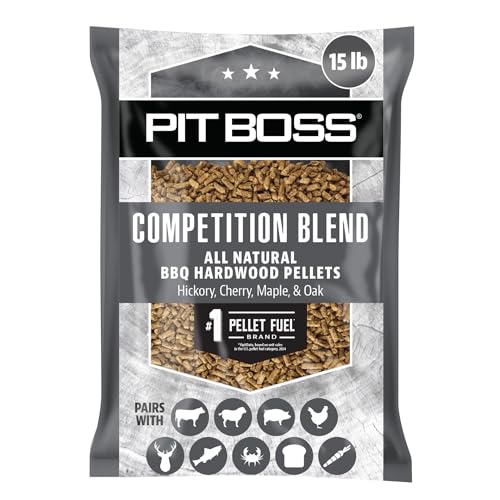
Pit Boss pellets are the #1 pellet fuel brand* Americans trust

HICKORY WOOD FIRED FLAVOR: Traeger Hickory Hardwood Pellets are great for naturally enhancing beef, chicken, pork, and veggies with full-bodied, bold flavor. So it should come as no surprise that Hickory’s assertive flavor is one of the most popular choices for classic BBQ cooking.

100% all-natural premium hardwood food grade pellets
Internal Temperature Targets
Reaching the correct internal temperature‘s what separates safely smoked bologna from undercooked product, and you’ll want to monitor this carefully throughout your smoking process. Your ideal internal temperatures depend on your bologna type and curing method. Homemade bologna requires 160°F for full pasteurization, while Cure #1 allows you to pull at 145°F after holding that temperature for one hour. Ring bologna sits comfortably at 145-150°F with proper curing. Required smoking durations vary based on thickness and heat, but tracking progression from 140°F through the smoke phase to your target guarantees consistent results. Use an instant-read Thermapen to verify multiple rings, checking the thickest areas for accuracy. Bacteria can grow at temperatures from 40 to 140 degrees, so maintaining your smoker above this danger zone throughout the process is essential for safety. Patience and proper rest times after smoking allow the bologna to finish cooking residually and develop optimal texture. Like charcoal grilling, resting the meat after smoking helps redistribute juices throughout the product for better flavor and texture. After smoking, store your finished bologna in the refrigerator at temperatures below 40°F and keep it tightly wrapped in an airtight container to maintain freshness and quality. While smoked meats offer delicious flavor, be aware that smoked meats may contain mild carcinogens, particularly when consumed regularly over extended periods, as both grilling and smoking introduce polycyclic aromatic hydrocarbons from smoke exposure. Different bologna styles like Lebanon-style bologna and Southern-style varieties may require slight temperature adjustments based on their texture profiles and curing specifications. This methodical approach assures both safety and optimal texture.

Fast & Accurate: Get precise readings in just 1 second with ±0.9°F accuracy. NSF Certified for trusted food safety, this digital food thermometer features a 4.3 inches food-grade stainless steel meat probe, perfect for grilling, frying, baking, making candy and more

【Fast & Accurate】Our meat thermometer digital delivers accurate readings within ±1°F in just 1–2 seconds, with a wide temperature range of -58°F to 572°F (-50°C to 300°C). No more waiting over the heat - know your food's exact temperature instantly.

【8X Faster + 4X More Precise】: Upgraded with an industrial-leading professional thermocouple sensor, Themomonster meat thermometer digital with NIST certified ±0.5℉ precision provides you the accurate temperature of your food in just 0.5 Seconds.
Total Cooking Duration
Time’s your critical variable when smoking bologna, and you’ll need to budget 6-8 hours total across all phases to achieve safe, properly textured results. You’ll progress through distinct stages: initial drying at room temperature, followed by controlled heating from 110°F to 170°F in hourly increments. Smoke application timing requires precision—you’ll apply pecan smoke for approximately three hours during early stages, starting after your first hour at 110°F. Managing moisture content levels throughout the process determines your final product’s texture. The curing overnight in refrigerator develops flavors and colors while initiating the drying process before smoking begins. Celery powder should be used instead of ground celery seeds to avoid bitter taste impartation. After reaching your internal temperature target, you’ll complete additional drying phases that solidify the casing and lock in flavors. Before your smoking process begins, preheat your grill to burn off any factory coatings and residue that may affect flavor. Maintaining a low to medium temperature throughout your smoking process ensures proper penetration and food safety standards. This detailed timeline guarantees you develop proper smoke penetration while maintaining food safety standards and achieving that characteristic ring formation distinctive to quality smoked bologna.
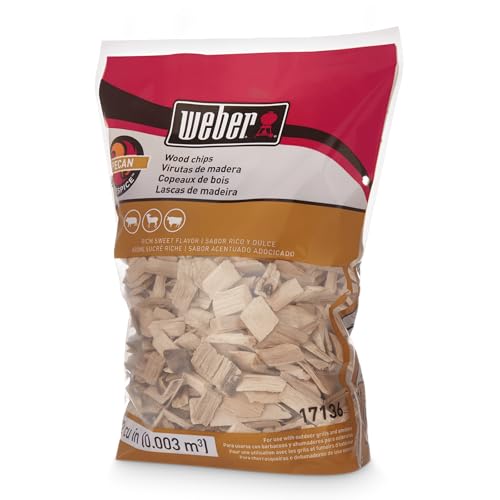


MATERIALS: Made from 100% natural seasoned hardwood with no unwanted byproducts, our wood chips burn cleanly and evenly.
Smoking Method Variations
How you approach smoking bologna fundamentally shapes your final product’s character and cook time. You’ll choose between traditional offset smokers and pellet grills based on your timeline and flavor preferences.
At 225°F with hickory or apple wood, you’re committing to 3-4 hours for deep, complex smoke penetration. This method rewards patience through superior wood selection and flavor development. Alternatively, you can bump your pellet grill to 350°F for completion in just 45 minutes when time’s limited. The Cherry Chipotle Ale seasoning works great across all temperature ranges and smoking methods. Since bologna is already cooked, you only need to reach an internal temperature of 145°F rather than following strict doneness protocols.
For bolder results in shorter timeframes, oak and hickory deliver intensity at accelerated temperatures. Different hardwood pellet blends will impact the final smoke character of your bologna. Your seasoning application strategy matters equally—open those cross-hatched slits with your fingers before working in your BBQ rub. This technique guarantees even distribution and maximum flavor absorption throughout the meat’s interior. Like low-and-slow brisket smoking, monitoring internal temperature is critical rather than relying strictly on timing alone. Leading brands like Traeger and Pit Boss offer reliable pellet grill options for consistent temperature management throughout your smoke. Consider using a smoke tube for pellet grills to enhance smoke output when you’re working at higher temperatures for faster results.
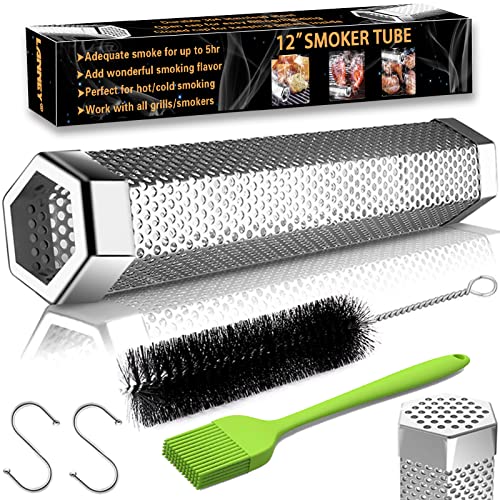
【BILLOWING SMOKE AND BIG CAPACITY】 The pellet smoker tube has massive density diffusion holes on its body. So the smoker tube can let air come in, diffusing smoke efficiently and evenly to your food. The perforated design and hexagon shape of tube smoker allow the pellets stay lit the fully burn to provide constant smoke. With a length of 12 inches large capacity, the wood pellets smoker tube is capable of holding enough pellets and will produce abundant quantity of smoke up to 5hrs
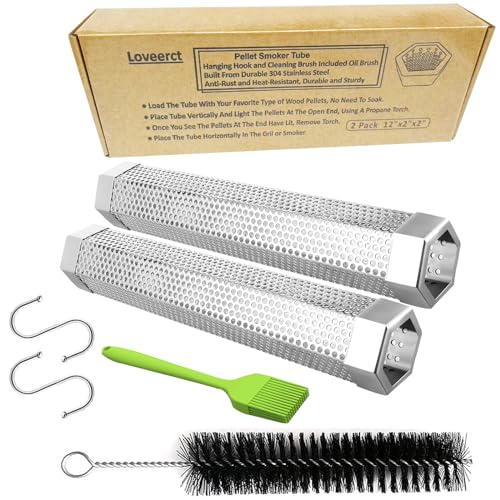
【UP TO 5+ HOURS BILLOWING SMOKE】Our unique hexagonal smoke tube stays firmly in place on any grill grate and won't roll. Strategically placed air holes ensure optimal airflow for complete pellet combustion, producing consistent, thick smoke for over 5 hours to infuse deep, delicious smoky flavor into your food

【304 Stainless Steel Materiai】This smoker tube is made of 100% high-quality 304 stainless steel, anti-rust and heat-resistant, durable and sturdy, not be broken or bent easily after repeated use. With 1 12inch heat resistant 304 stainless steel smoker tube, 1 tube brush for efficient cleaning,1 oil brush, so you brush oil more convenient, 1 S hooks for hanging the smoker tubeKeep you and your family in healthy
Cooling and Storage Procedures
Once you’ve pulled your bologna from the smoker, you’ll need to act quickly—the first few hours are critical for food safety and quality preservation. Immediately cool your product in an ice bath until it reaches safe temperatures, preventing bacterial proliferation in the danger zone.
After cooling completely, vacuum seal your bologna in 500-gram portions using equipment like the Selovac 200B. Vacuum storage duration extends up to several months when combined with freezer paper wrapping, ideal for prolonged preservation. Freezing maintains quality indefinitely, ensuring your homemade bologna remains safe and delicious for extended periods. For added protection against freezer burn, consider wrapping your vacuum-sealed packages in aluminum foil as an additional barrier. Daily inspection for signs of mold and spoilage is advised to prevent the growth of harmful bacteria throughout storage. Proper storage involving refrigeration at consistent temperatures and minimizing cross-contamination is critical for maintaining bologna quality and safety. For opened packages, consume your bologna within 3-6 days to ensure optimal freshness and safety. Ensure your storage equipment and containers are clean and free from rust corrosion to prevent contamination of your vacuum-sealed products.
For chilled storage duration, refrigerate your sealed bologna at 6 ± 2°C for up to 30 days, where it maintains desirable aw, pH, and TBARS stability. Alternatively, freeze large vacuum-sealed chunks immediately after cooling. Monitor quality parameters throughout storage to comply with food safety standards.
Casing Preparation and Loading
Proper casing selection and preparation form the foundation of quality bologna production. You’ll want to rinse your casings thoroughly, then soak them in warm water with a vinegar splash to restore pliability. For fibrous casings, follow package instructions precisely—typically 30 minutes in room temperature water guarantees optimal casing integrity without compromising structure.
Your stuffing techniques matter considerably. Slide the prepared casing onto your stuffer horn, knotting it two inches from the end. Pack meat by handfuls, pressing out air pockets consistently throughout the process. Stuff to within two inches of the opposite end, then twist and tie securely. Wooden grill scrapers offer superior safety and durability compared to wire brushes when cleaning your equipment before use.
Before loading your smoker, hang stuffed casings on smoke sticks at room temperature until dry. Arrange them without touching each other or smoker walls, confirming proper smoke circulation and even cooking. For optimal grill maintenance before smoking, consider using pumice-based grill cleaning bricks to remove any residue from previous cooking sessions. Bristle-free cleaning tools eliminate the risk of wire bristle contamination that can compromise your finished product. When you’re ready to smoke, ensure your grates are clean using nylon-bristle grill brushes to avoid metal bristle contamination on your food. For optimal results, choose bristle-free coiled designs that tackle stubborn grime without leaving residues in food.

PROFESSIONAL MAHOGANY FINISH: These 2.5" diameter fibrous casings provide a rich, classic mahogany color that gives your summer sausage, salami, and trail bologna a professional, smokehouse-quality appearance.

Culinary Convenience: Our non-edible Fibrous Casings are a clear, unprinted solution for crafting perfect sausages. They come with a string tied at one end and can be hung in a smoker or cooked in the oven until internal temperature reaches 165°F.

Product Includes: you will receive 25 clear fibrous sausage casings, each measuring 2 1/2" x 20" and holding approximately 3 pounds of meat. The consistent size makes portioning, slicing, and storage easier. These casings are a generous quantity, ideal for everyday sausage making and sharing with family and friends