

You’ll smoke your pre-cooked ham for 10-15 minutes per pound at 225-250°F, targeting an internal temperature of 140°F for USDA-inspected varieties. Maintain consistent smoker temperatures with a remote thermometer, applying a pre-smoking brine to enhance flavor penetration. Wrap the ham in foil midway through smoking to preserve moisture, then glaze during the final 30-45 minutes. Let it rest before carving for ideal tenderness and texture. The specifics of wood selection and basting techniques will greatly impact your final results.
Time Required for Smoking Pre-Cooked Ham
How long you’ll need to smoke a pre-cooked ham depends primarily on its size, weight, and your smoker’s temperature setting. For most precooked hams, you’re looking at 1.5 to 4 hours total to reach your target internal temperature of 140°F–145°F. A general rule: allocate approximately 15 minutes per pound at your set smoker temperature.
Weight matters considerably. Whole bone-in hams weighing 10–14 pounds require 15–18 minutes per pound, while boneless vacuum-packed varieties need 10–15 minutes per pound. You can sear before smoking to develop additional flavor complexity, or explore seasoning alternatives like coffee rubs or maple-based compounds. Glazing the ham in the last 30-45 minutes of smoking adds caramelization and a glossy finish to enhance the overall appearance and taste. Allowing the ham to come to room temperature before smoking ensures even heat penetration throughout the meat.
Start at 225°F and gradually increase to 250°F–260°F for ideal results. Insert a leave-in thermometer into the thickest section, avoiding bones, and monitor progress carefully to prevent drying out your ham. Selecting wood pellets like apple or cherry can enhance the smoky flavor without overpowering the meat’s natural taste. For shorter cook times like ham, mild fruitwoods pair better than bold options such as hickory or mesquite that work best for long beef cooks. For an alternative hands-off method, some pitmasters wrap the ham in foil during smoking to lock in moisture and create a steam effect similar to grilling vegetables in a pouch. Just like with smoked turkey, cooking slowly over wood smoke develops a rich, distinctive flavor with a dark exterior and moist interior that sets it apart from traditional oven preparations. After removing the ham from the smoker, resting the meat for 10-15 minutes allows juices to redistribute throughout for maximum tenderness.
Optimal Smoker Temperature Settings
Now that you’ve calculated your smoking time, dialing in the right temperature becomes your next priority. You’ll want to set your smoker between 225-250°F for ideal results with pre-cooked ham. This temperature range guarantees even cooking while maximizing smoke flavor intensity without introducing bitterness that occurs above 325°F.
Before smoking, bring your ham to room temperature and consider applying a pre smoking brine to enhance flavor penetration. Monitor your smoker consistently, maintaining steady temperatures to prevent fluctuations that lead to uneven results. Add wood pellets regularly to sustain a continuous smoke stream. For spiral sliced hams, plan to baste periodically to prevent the exposed surfaces from drying out during the smoking process. Use a turkey baster or spoon to apply your glaze every 20-30 minutes for optimal caramelization. Use a meat thermometer to check that your ham has reached the proper internal temperature throughout the smoking process. Different types of wood can significantly impact the final flavor profile of your smoked ham. If you’re using a Traeger, keep temperatures at or below 325°F, which preheats in approximately 15 minutes. Lower temperatures increase smoke absorption, so resist the urge to rush by increasing heat. This low-and-slow method allows fats to render properly while ensuring the meat develops maximum flavor and tenderness. Just as with smoking other meats, rotating your ham periodically ensures even cooking and consistent smoke exposure throughout the entire surface. After smoking, allow your ham to rest before carving to retain its juices and ensure the flavors are properly distributed throughout the meat.

【Fast & Accurate】Our meat thermometer digital delivers accurate readings within ±1°F in just 1–2 seconds, with a wide temperature range of -58°F to 572°F (-50°C to 300°C). No more waiting over the heat - know your food's exact temperature instantly.

Fast & Accurate: Get precise readings in just 1 second with ±0.9°F accuracy. NSF Certified for trusted food safety, this digital food thermometer features a 4.3 inches food-grade stainless steel meat probe, perfect for grilling, frying, baking, making candy and more
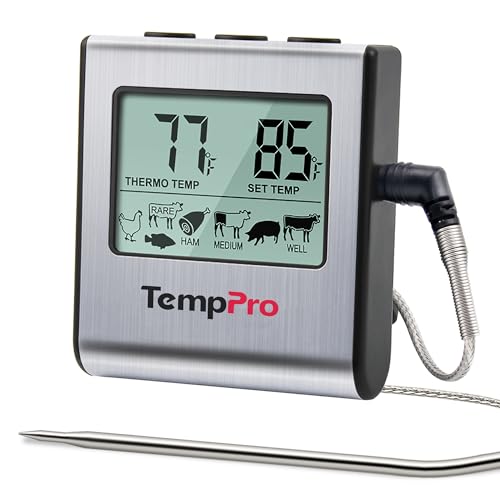
Cook mode with USDA preset temperature settings: TempPro cooking thermometer ideal for meat, oven, smoker or stove top; Programmable alert with preset temperatures for specific foods recommended by USDA; All of the preset temps can be reset to your desired tastes
Internal Temperature Targets
The internal temperature you’re targeting depends on your ham’s processing history and your preferred balance between food safety and smoke absorption. For USDA-inspected pre-cooked hams, you’ll aim for 140°F internal, which guarantees thorough reheating while preserving moisture and fat content. If you’re seeking enhanced smoke flavor without overdrying, pull your ham at 130°F before optional glazing. For minimal juice loss and maximum tenderness, some pitmasters remove ham at 100-110°F internal, then rest it thirty minutes for carryover cooking. Non-inspected hams require 165°F for safety. Fresh uncooked ham demands 145°F with a three-minute rest. Use a remote thermometer to monitor the thickest part accurately, allowing precise cooking adjustments based on your smoker’s temperature consistency and your ham’s fat content. Most experienced smokers recommend smoking at 250°F to achieve consistent results across different ham sizes and weights. Checking your ham with an instant-read thermometer ensures you hit your target temperature without overcooking or undercooking the meat. Unlike time-based estimates, relying on internal temperature as the most reliable indicator guarantees perfectly cooked results every time. For the most precise readings during long smokes, consider using a wireless probe thermometer with app connectivity to track ambient temperatures and maintain consistent heat throughout the entire cook. The ThermoWorks Thermapen ONE delivers ±0.5°F accuracy with 1-second read times, making it ideal for quick temperature checks during glazing or repositioning. Resting the ham after cooking allows juices to redistribute throughout the meat, ensuring superior texture in every slice. Smoking at low temperature allows the smoke to penetrate and enhances flavor without drying the ham since it’s already cooked.
Moisture Retention During Smoking
Retaining moisture during smoking separates a succulent ham from a dry, disappointing result, and you’ll accomplish this through five interconnected strategies that work together to lock in juices while building authentic smoke flavor. You’ll start by developing proper pellicle thickness optimization—that tacky surface layer that seals moisture while preventing exterior desiccation. Position your fat cap upward to create continuous natural basting as it renders. Maintain temperatures between 225°F and 250°F, allowing gradual interior warming without scorching edges. Tenting with foil when the exterior begins darkening prevents the surface from over-charring while the interior continues cooking. You can assess moisture content measurement through meat thermometers positioned strategically to guarantee even heat penetration. Consider using a spray bottle with broth or juice periodically throughout the smoking process to further enhance moisture retention and deepen flavor complexity. Finally, rest your ham 15-20 minutes under loose foil, allowing juices to redistribute and stabilize before slicing across the grain for maximum tenderness and retained juiciness. While foil helps retain moisture during resting, avoid fully lining your smoker grates with it since restricted airflow creates uneven cooking and potential hotspots. Once your smoking session is complete and you’ve let the smoker cool before covering, protect your equipment with a waterproof grill cover that features reinforced seams and UV resistance to extend its service life. After your cook, clean the grates with a baking soda paste and vinegar mixture to remove residue without harsh chemicals. Throughout the smoking process, maintain refrigeration just above freezing for any leftover portions to preserve quality and prevent bacterial growth. Store any remaining smoked ham in airtight containers or freezer bags to prevent freezer burn if you plan to freeze portions for later enjoyment.
Pre-Smoking Preparation Steps
Before you place your ham in the smoker, you’ll need to execute several critical preparation steps that directly impact moisture retention, flavor development, and overall cooking success. Start by thawing your frozen ham in the refrigerator for 48 hours, then allow it to acclimate to room temperature for 90-120 minutes. Score the fat using crosshatch or diamond patterns, spacing cuts approximately 1 inch apart at 1/8 to 1/4-inch depth. This technique enables smoke and glazes to penetrate deeper into the meat. Apply your BBQ rub thoroughly, focusing on scored areas for maximum flavor absorption. Prepare your liquid marinade base by combining chicken broth, apple juice, and quartered oranges in a disposable aluminum pan. Position the cut side downward to optimize moisture collection throughout smoking. Since you’re working with a pre-cooked ham that is already smoked, you’ll be infusing it with even more texture and flavor rather than cooking it from raw. Have a meat thermometer ready to monitor the internal temperature throughout the smoking process for best results. For hands-off temperature monitoring during the extended cook, consider using a wireless meat thermometer with app connectivity to track your ham’s progress without constantly opening the smoker. Before beginning, inspect your smoker grates and remove any rust buildup with a grill brush or steel wool to ensure proper sanitation and prevent metallic off-flavors. If your grill requires replacement parts or you’re working with an older unit, gather the necessary tools to safely disassemble components like grates and burners before your smoking session. If you have leftover smoked ham, ensure it cools completely before wrapping tightly in plastic wrap and aluminum foil for freezer storage.

Smart Display Base with Control: The ThermoMaven G1 wireless meat thermometer features a versatile smart display base that offers real-time temperature readings and allows you to set temperatures directly on the device—no app required. With our user-friendly one-click setup, you can connect the probe, pair it with the base, and start cooking in seconds—no complicated setup needed!

PERFECT DONENESS, EVERY TIME: This smart cooking thermometer takes away guesswork with real-time internal temperature updates, flip reminders, rest timers, estimated cooking times, Guided Cooking recipes, and more!

SMART BASE CONTROL: Set temperatures, monitor progress, and receive alerts directly from the base without needing your phone nearby.
Wood Selection and Smoke Profiles
Why does wood choice matter so substantially to your smoking results? You’re substantially determining your ham’s final flavor profile through wood selection.
For pre-cooked ham, you’ll want mild woods that enhance rather than overpower existing flavors. Apple delivers the safest choice—it’s light and sweet, supporting your ham’s cure without dominating. Cherry imparts subtle sweetness while creating distinctive mahogany coloring. An apple-cherry blend optimizes both attributes. Fruit woods offer a lighter, sweeter smoke that complements the delicate nature of pre-cooked ham without overpowering it.
Avoid softwoods entirely; they’ll produce bitter residues and flare-ups that compromise quality. Instead, use hardwoods or fruitwoods as chips, which you’ll burn at 225-250°F. Different woods release compounds that interact with the meat’s fat and surface moisture, creating unique flavor outcomes. Wood chip size matters considerably—smaller chips generate appropriate smoke intensity without excessive harshness. When selecting cherry wood, ensure you’re using seasoned or kiln-dried stock with moisture content below 20% to prevent off-flavors during the smoking process.
For scoring the fat cap, hickory and pecan work excellently. Pecan’s milder profile makes it particularly suitable for ham when you want a nutty undertone without overwhelming the meat. Match your wood selection directly to your ham type, ensuring balanced smoke interaction throughout the process. You can also mix woods to balance intensity, pairing heavier options like pecan with fruit woods to create a more nuanced flavor. Apple wood burns cleaner but faster than dense hardwoods, so you may need to replenish it more frequently during longer smoking sessions. Premium wood pellets from brands like Lumberjack or Bear Mountain ensure 100% natural hardwoods without fillers that could introduce unwanted flavors.


3-FLAVOR VARIETY PACK: Includes Apple (sweet & mild), Hickory (bold & smoky), and Cherry (subtle & fruity) wood chips for ultimate grilling versatility
Basting and Glazing Techniques
Two critical factors—moisture retention and flavor development—depend entirely on your basting and glazing approach. You’ll spritz apple juice every 15 minutes during the first two hours to shift to apple cider basting every 30-45 minutes thereafter.
Begin glazing at 110°F internal temperature, applying your glaze mixture liberally every 10-15 degrees until reaching 140°F. Score the fat cap in a diamond pattern 1/4 inch deep to maximize glaze texture profiles and adhesion. Your glaze combines preserves, brown sugar, pepper jelly, honey, and bourbon for complex basting liquid flavors. Mix these ingredients in a saucepan over medium heat and reduce by 1/4 to achieve the proper consistency. For fully cooked hams like city hams, remember that reheating to 140°F is the target safe temperature rather than cooking from raw.
Use a silicone brush for application and a turkey baster for pan juices. During the final hour, intensify basting every 10-15 minutes, coating heavily between cuts without tearing meat. Consider adding fresh herbs or citrus slices around the ham to infuse aromatic flavors while maintaining moisture through gentle heating. For easy cleanup after your smoking session, wrap any vegetable sides in heavy-duty foil packets that can cook alongside your ham on the grill. Place a heat-resistant grill mat beneath your smoker to protect your deck from grease drips and high temperatures while catching any overflow from basting. Protect your grill investment with durable outdoor covers that resist weather elements and UV damage for years of reliable performance. Look for covers with reinforced seams and adjustable straps to ensure a secure fit that withstands high-wind conditions during winter storage. This layering technique builds exceptional depth and caramelization.

★Upgraded ONE-PIECE DESIGN & STAINLESS STEEL CORE TECHNOLOGY - Owing to ONE-PIECE design, the silicone bristles will not break or shed in your food, unlike other bristle brushes. The handle built with internal steel core results in a solid durability to our basting oil brush, it is also long enough to get a firm grip, never break and rust.

Food-Grade Safety for Everyday Cooking - Made from food-grade silicone that is BPA-free, odor resistant, and stain resistant for safe everyday cooking. 446°F heat resistant for grilling, baking, roasting, and stovetop use without melting or warping. Safe for direct food contact and built for daily kitchen use.

FOOD GRADE MATERIALS: This Silicone Basting Brush Set is BPA Free, non-toxic, and lead free with a stainless steel core inside the non-slip handle. Made from premium food grade silicone, the silicone bristles will not break or shed in your food, providing a more hygienic cooking experience
Monitoring Progress With Remote Thermometers
How you’ll know when your ham’s reached its peak comes down to one thing: accurate temperature monitoring with the right equipment. You’ll want a wireless leave-in thermometer with an alarm function to alert you when your ham approaches target temperature. Proper probe placement matters critically—insert it into the thickest section, avoiding bones and fatty pockets, positioning it at least one inch deep for reliable readings. Dual-sensor models track both ambient smoker temperature and meat temperature simultaneously, giving you complete visibility. Set your alarm function for 130°F to time your glaze application, then monitor until you hit 140-145°F for ideal juiciness. Remote apps display temperature graphs, eliminating guesswork and preventing the common mistake of overcooking your pre-cooked ham. For serious outdoor cooks, models using radio frequencies like 433 or 900 MHz deliver superior through-house range compared to Bluetooth-only options, ensuring you maintain connection even when moving indoors during longer smoking sessions. While Bluetooth connectivity offers convenient smartphone monitoring, be aware that the limited range typically restricts you to within 50-100 feet of your smoker. Many modern electric smokers with Wi-Fi offer built-in probe systems and app connectivity, making temperature monitoring even more convenient for long smoking sessions. Premium pellet smokers with WiFi connectivity like Traeger models enable remote monitoring and control via smartphone apps while maintaining precise temperature stability within +/-15°F throughout your cook. Just as pairing your smoked ham with sides made from whole-grain bread adds fiber to an otherwise low-fiber meal, choosing quality ingredients elevates your entire barbecue spread. Precooked hams cook faster than raw hams, so close temperature monitoring prevents you from leaving the ham on the smoker longer than necessary.
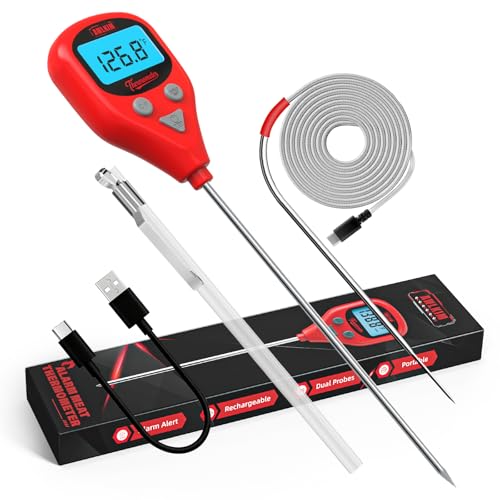
Dual probe design with a 40-inch external probe for oven, grill, and smoker use plus a built-in probe for quick checks on meat, bread, oil, and liquids.

【Dual Safe Probes for Multi-Use】Vuwwey meat thermometer probe is great for meat, liquids, oil frying, baking, candy making, kitchen & outdoors. The wired probe is ideal for monitoring air fryers, ovens, grills, BBQ, smokers. It's your hands-free assistant: set the alarm, stick it on, and step away from the heat
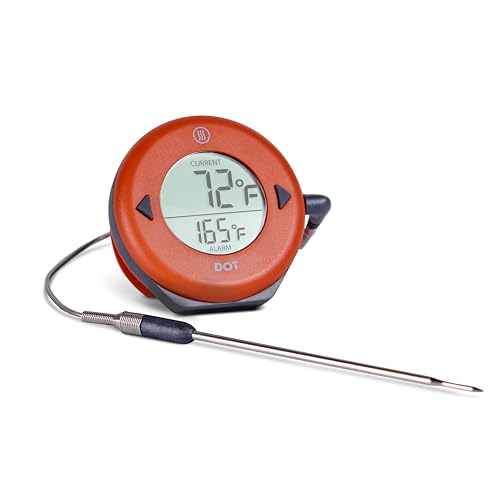
🥇Recommended leave-in thermometer by America’s Test Kitchen.
Resting and Serving Your Smoked Ham
Once your smoked ham reaches its target internal temperature of 140-145°F, you’ll want to resist the urge to slice immediately. Proper rest time guidelines are essential for preserving juices and achieving ideal texture. Cover your ham with foil and allow it to rest at room temperature for a minimum of 30 minutes. This resting period enables the internal temperature to stabilize while maintaining moisture content. Some pitmasters recommend taking fresh cured hams to higher temperatures like 190°F for increased tenderness, though this requires careful monitoring to prevent drying.
Your serving temperature ranges should fall between 140-145°F for pre-cooked smoked ham. After resting, you’ll notice considerably less pan juices—a sign of successful reheating and resting. Similar to other smoked meats, allowing your ham to rest for 5-10 minutes helps maximize juiciness and ensures the internal temperature stabilizes throughout the cut. You can safely hold your ham at room temperature for up to two hours before serving. Slice and serve immediately after the minimum rest period. Just as with smoking beef ribs, monitoring internal temperature rather than relying on time alone ensures your meat reaches the perfect level of doneness. Just as with brisket, resting the meat after smoking allows the juices to redistribute evenly throughout, resulting in more flavorful and tender slices. For any leftover ham, consider repurposing it into creative dishes like ham and cheese sliders or adding it to omelets for delicious meals throughout the week. While smoked meats make delicious leftovers for humans, avoid sharing smoked ham with dogs due to high sodium content and preservatives that can cause health problems. Store any leftovers airtight in the refrigerator for up to four days. For extended storage, freezing smoked meat can preserve your ham for 2 to 3 months or longer, especially when vacuum-sealed.