
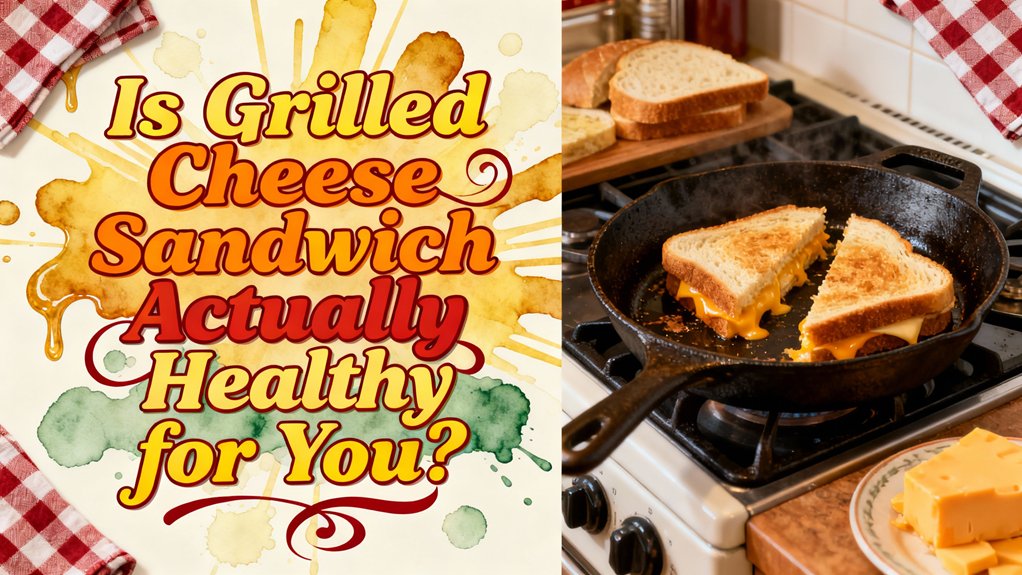
You’ll gain 12-17g of protein and 61% of your daily calcium from a grilled cheese sandwich, but you’re also consuming 291-520 calories with 27-55% of your recommended daily sodium. The saturated fat content—roughly 5.3-12g per serving—elevates LDL cholesterol concerns. However, strategic modifications like substituting butter with olive oil, choosing sharp cheeses, and incorporating vegetables can substantially reduce cardiovascular risks while preserving nutritional benefits. Understanding how preparation methods influence your sandwich’s health profile reveals surprising opportunities for optimization.
Caloric Content and Energy Density
A standard grilled cheese sandwich typically contains between 291 and 480 calories, though variations with premium ingredients can easily exceed 500 calories per serving. You’ll find that a typical American cheese variant on white bread registers approximately 398 calories per 116g serving, while Starbucks’ crispy sourdough version reaches 520 calories.
Your cheese selection greatly impacts caloric intake. Fat comprises roughly 63% of total calories in standard preparations, with butter and cheese driving this energy density. Saturated fat content ranges from 12-28g depending on preparation methods, potentially exceeding U.S. dietary guidelines recommending under 10% of daily intake from saturated fat. However, cheese provides valuable vitamins like B12 and riboflavin that contribute nutritional benefits beyond caloric considerations. A single serving can provide approximately 437mg of calcium, which supports bone health and accounts for 34% of your daily value.
Understanding portion size becomes critical when evaluating this sandwich’s nutritional profile, as serving weight directly correlates with caloric and fat contributions. The choice between butter and mayonnaise also affects the nutritional content, as mayo can be greasier while butter adds rich caramelized flavor with its own fat profile. For best results, cook your sandwich in a skillet over medium heat for about 3 minutes per side until golden brown. The high fat and sodium content makes grilled cheese sandwiches a concern for those monitoring their cardiovascular health or managing weight. For a heart-healthy option, you can substitute butter with extra virgin olive oil for a nuttier taste and reduced saturated fat content. If you’re looking to achieve restaurant-quality grill marks at home, using a cast iron grill pan provides superior heat retention and even cooking for perfectly seared sandwiches.


Bold Extra Sharp Cheddar Flavor: Rich, tangy cheddar cheese with a smooth texture and deep aged flavor that delivers a satisfying bite for cheddar lovers, snack trays, sandwiches, burgers, and everyday snacking.
Nutritional Protein and Mineral Content
Beyond its caloric density, the grilled cheese sandwich delivers considerable nutritional value through protein and essential minerals. You’ll consume 12-17g of protein per serving, with excellent protein bioavailability from cheese’s highly absorbable amino acids. The tryptophan content reaches 390mg—exceeding your daily requirement by 139%—while threonine and isoleucine support muscle growth effectively.
Mineral density amplifies the sandwich’s nutritional profile through nutrient synergy. You’ll obtain 612mg calcium per 100g, fulfilling 61% of your daily value, alongside 1146mg phosphorus that surpasses your requirement by 164%. This calcium-phosphorus combination enhances bone mineral density greatly. Additional minerals including 7.9mg iron, 3.2mg manganese, and 73µg selenium provide inclusive micronutrient support, covering substantial daily percentages across multiple essential nutrients. The sodium content of 645mg contributes 27% of your daily value, which is an important consideration for those monitoring salt intake. While grilled cheese provides solid nutrition, keeping the sandwich moist during cooking can be enhanced through techniques like adding frozen broth cubes to the pan, which release moisture gradually as they melt. For optimal texture and cheese melt, you can bake at 375-450°F on a sheet pan, flipping halfway through to achieve golden, crispy bread and gooey cheese inside. To balance the rich, cheesy flavor and create a complete meal, consider pairing your grilled cheese with sides that add crunch or acidity, such as pickles, coleslaw, or a fresh salad. When preparing grilled cheese outdoors on a grill, ensure you position the grill in a well-ventilated outdoor space away from flammable materials for safe cooking. If you have leftover grilled cheese, reheating at 350°F in the oven or on the stovetop will restore the crispness and melted cheese quality.

IRRESISTIBLE DUAL-FLAVOR REWARD: Hand-wrapped with 100% real chicken jerky around savory cheese-flavored milk sticks. The combination of meaty aroma and creamy taste satisfies even the pickiest eaters

EASY CHEESY TASTE-BUD PLEASE-Y: 100% real cheddar cheese with a crunch; 15g of protein and 35% DV Calcium mean they're good for you, the kids, school lunches, commute, any time your life needs crunch; 3-oz, 2 Pack
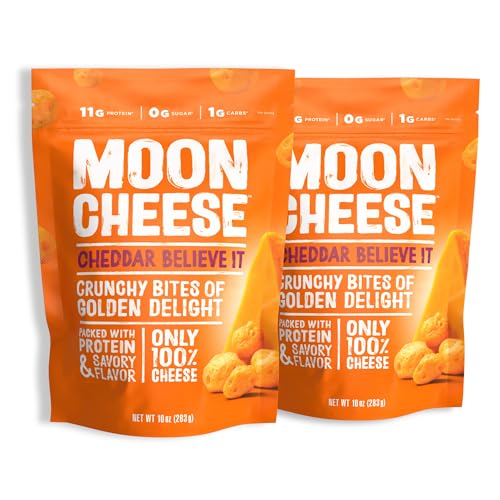
EASY CHEESY TASTE-BUD PLEASE-Y: 100% real cheddar cheese with a BIG crunch; 11g of protein and 25% DV Calcium mean they're good for you, kids, school lunches, commute, any time your life needs crunch; 10-oz, 2 Pack
Fat Profile and Cardiovascular Concerns
While the grilled cheese sandwich delivers impressive protein and mineral content, its fat composition presents cardiovascular considerations you’ll want to examine carefully. A typical sandwich contains 5.3g to 12g of saturated fat—potentially reaching 60% of your daily allowance in a single serving. These saturated fat risks elevate your LDL cholesterol levels, a key cardiovascular risk factor. Research shows conflicting findings on saturated fat’s direct link to heart disease, yet U.S. dietary guidelines recommend limiting saturated fat to under 10% of daily calories. With 811.9mg of sodium per serving, this sandwich also exceeds half of the recommended daily sodium intake, presenting additional cardiovascular concerns beyond fat content alone. You can mitigate these concerns by substituting butter with avocado or olive oil, choosing sharp cheese varieties requiring less quantity, and adding vegetables. Beyond ingredient choices, maintaining clean cooking equipment matters—rusty grill grates can impart a metallic off-flavor to your food and pose sanitation concerns that affect overall meal quality. Regular cleaning and re-seasoning the grill with oil creates a protective non-stick surface that prevents rust formation and ensures better food quality. For stubborn rust buildup, you can create an effective cleaning solution by soaking grates overnight in a mixture of vinegar and salt to loosen rust before scrubbing. For a natural cleaning solution, baking soda and vinegar create an effective paste that removes grease buildup without exposing your cookware to harsh chemicals. For comparison, fast food variations like Taco Bell’s Grilled Cheese Burrito combine melted shredded cheese on the outside with additional high-fat fillings, creating even greater saturated fat and sodium loads. Moderation remains essential—enjoy grilled cheese occasionally rather than regularly.


Graza Sizzle Extra Virgin Olive Oil: A cooking oil made from mature, mid-season olives that yield a more mellow flavor. Sizzle was born for the heat. 1 bottle / 750mL.
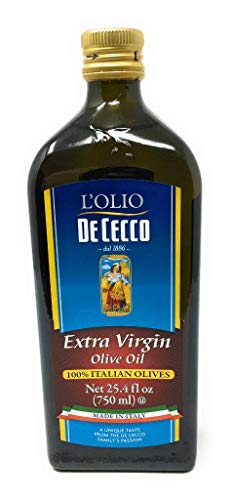
Made exclusively from selected olives grown in Italy, Rich taste.
Sodium Levels and Salt Content
Sodium content in grilled cheese sandwiches presents a significant nutritional concern that you shouldn’t overlook. A single serving typically delivers 27–55% of your daily value, with high sodium density ranging from 839–935mg per sandwich. You’re consuming sodium from multiple sources: sliced American cheese contains sodium citrate and sodium phosphate, while bread incorporates salt and sodium stearoyl lactylate as preservatives. This preservative overconsumption risk escalates when you pair your sandwich with sodium-containing sides, potentially exceeding the 2300mg daily limit. The accompanying phosphorus content—reaching 164% DV—compounds cardiovascular strain. You should recognize that a single grilled cheese sandwich approaching 40% of your daily sodium allocation severely limits your dietary flexibility, particularly if you have hypertension or sodium-sensitive conditions. Using a meat thermometer to verify cooking temperatures helps ensure food safety when preparing protein-rich meals alongside your grilled cheese. Pairing your grilled cheese with tomato soup can further increase your total sodium intake for the meal, as many prepared soups contain significant amounts of added salt. According to calorie breakdown databases, the caloric density of grilled cheese sandwiches makes them particularly problematic when combined with their high sodium content, creating a double nutritional burden. Additionally, the calcium content of 325.8mg contributes 25% of your daily value, which may be beneficial for bone health but should be weighed against the sodium concerns. Managing excess fat in your cooking methods can help reduce some of the unhealthy aspects of grilled cheese preparation, though it does little to address the inherent sodium issues. Similar to stovetop cooking techniques, pan-frying with broth or other liquids can help control sodium levels by allowing you to monitor added salt more carefully than with pre-packaged ingredients.


The perfect grilled cheese design for cheese lovers and anyone who likes to eat grilled cheese sandwich.

AUTHENTIC WISCONSIN CHEESEMAKING: Crafted in Wisconsin using traditional cheese-making methods, this Classic Italian Cheese Blend delivers rich flavor and premium quality in every bite. Made with care for cheese lovers who appreciate bold, savory taste.
Healthier Preparation Strategies and Modifications
Since you’ve identified sodium and fat content as primary nutritional concerns in traditional grilled cheese sandwiches, strategic modifications can substantially improve their nutritional profile without sacrificing palatability. Selecting whole grain bread increases bread fiber content while reducing calorie density by approximately 45 calories per slice compared to white bread alternatives. For cheese portion sizes, substituting cottage cheese maintains 20g protein while decreasing fat content, or selecting low-moisture mozzarella and sharp cheddar varieties allows smaller quantities due to concentrated flavors. Replace traditional butter with cooking spray or minimal olive oil—just 1/2 to 1 teaspoon per sandwich—and employ medium-low heat with lidded skillet techniques. Using butter flavored cooking spray instead of traditional butter can save up to 70 calories per sandwich. Adding fresh vegetables like spinach, avocado, and tomatillo boosts the nutritional density with vitamins and minerals while keeping the sandwich satisfying and delicious. A quality grill pan for stovetop can create appealing grill marks and allow excess fat to drain through the ridges while cooking your sandwich. Grill pans with raised ridges are particularly effective at reducing fat content as they allow grease to collect away from the cooking surface. For those seeking convenience, preheating a baking sheet in a toaster oven creates a crisp griddle effect that enhances texture without additional fat. Consider using non-stick grill mats on your stovetop grill pan to further simplify cleanup while maintaining even heat distribution across the sandwich surface. Grilling over low heat ensures the cheese melts thoroughly before the bread browns, preventing a burnt exterior with cold, unmelted cheese inside. These modifications optimize nutritional density while preserving the sandwich’s sensory qualities.

You'll get a 20.5 oz loaf of Dave's Killer Bread 21 Whole Grains & Seeds Thin-Sliced
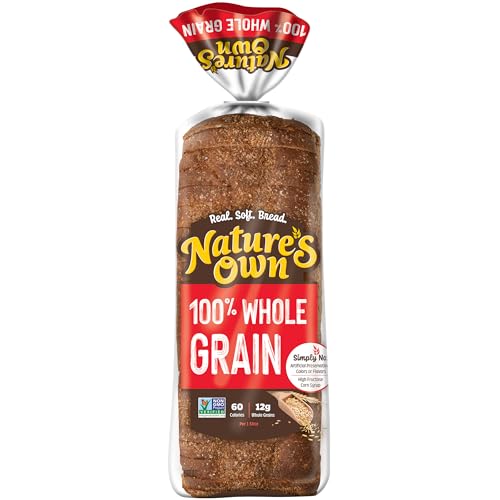
You'll get one 20 oz loaf of Nature's Own 100% Whole Grain Bread

You'll get a 27oz loaf of Dave's Killer Bread 21 Whole Grains & Seeds