
You’ll achieve perfectly crispy bacon by selecting thick-cut bacon and preheating your grill to 325-400°F. Lay slices flat on oiled grates and cook with the lid closed for 2-3 minutes per side, flipping when they release easily. Use indirect heat to prevent burning and a water spray bottle to manage flare-ups. Drain rendered fat and save it for future cooking. Master these fundamentals, and you’ll discover techniques that elevate your results even further.
Grill Preparation
Before you’ll need to prepare your grill properly to ascertain crispy, evenly cooked bacon. Start by preheating your grill to 400°F if you’re using the cast iron skillet method, or set it to medium heat (250-375°F) for indirect cooking of slab bacon. Direct grilling of sliced bacon requires medium-high heat. Medium heat ensures even cooking and helps prevent bacon from sticking to the grates.
Next, oil your grill grates or use bacon fat to prevent sticking. If you’re using the foil method, skip lubrication since bacon’s natural grease provides sufficient moisture. Confirm grill cleaning after your previous cooking session, as accumulated fat can affect heat distribution and flavor. For the aluminum foil pan method, fold a sheet of heavy-duty aluminum foil in half and then fold the edges up approximately ½ inch to form a shallow pan that will catch grease and prevent flare-ups.
Position your grates to allow proper airflow around your cooking surface. For those seeking an alternative to traditional grating methods, consider using non-stick grill mats that can handle high temperatures while preventing flare-ups and simplifying cleanup. If your grill has heat tents or shields, ensure they’re properly positioned to distribute heat evenly and protect burners from bacon grease drippings. When oiling your grill grates, choose oils with high smoke points like refined avocado, canola, or grapeseed oil to withstand grilling temperatures without burning. To protect your deck from grease splatters and maintain a clean cooking area, consider placing a grill mat for decks underneath your grill that extends beyond its footprint. For optimal performance and flavor, perform a deep cleaning of your grill grates once or twice per grilling season to remove stubborn buildup. These preparation steps establish the foundation for perfect flipping techniques and consistent results throughout your grilling session.
Bacon Selection
Selecting the right bacon makes all the difference between mediocre and exceptional grilled results. You’ll want to ponder bacon thickness first—thick-cut varieties maintain their integrity on the grill and won’t overcook before crisping properly. Thin-cut options work if you’re looking for quick results, but they’re prone to burning. Brands like Kirkland Signature and Hormel Black Label offer thick-cut options that crisp up evenly without burning the edges.
Next, evaluate smoking flavors. Hickory-smoked bacon imparts deep, complex notes that complement grilled preparations beautifully. Applewood options offer milder profiles if you prefer subtlety. You might also explore peppered varieties for added dimension. Beef bacon is leaner and higher in protein, offering a different flavor profile for those seeking alternatives to traditional pork.
For premium results, source thick-cut slab bacon from your local butcher when possible. These customizable cuts deliver superior freshness and control over fat content. Brands like Hormel Black Label and Smithfield Hometown Original provide reliable quality if butcher access isn’t available. Your bacon choice directly impacts flavor and texture outcomes.

One 16 ounce package of Naturally Applewood Smoked Thick Cut Bacon
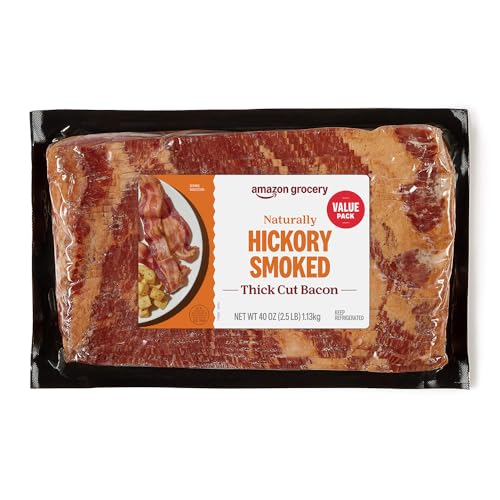
One 40 ounce package of Thick Sliced Hickory Smoked Bacon

Rise and Shine: Start the morning with a boost of happiness so good, it can be tasted. This Premium Hickory Smoked Bacon is thick cut for a bold, yet balanced flavor that will brighten anyone’s morning.
Direct Grilling Method
Once you’ve selected your bacon, mastering the direct grilling method is essential for achieving that perfect crispy texture. Start by laying bacon slices flat on oiled grates, positioning them perpendicular to prevent falling through. Arrange strips evenly without overlapping to guarantee even cooking across all pieces. Thick-cut bacon is recommended for grilling because regular cut bacon will be too thin and flimsy to withstand the heat of the grill.
Cook the first side for 2-3 minutes at medium heat with the lid closed, creating an oven-like environment. Flip when the bacon releases easily from grates, then cook 1-2 minutes per side until you’ve reached your desired crispness level. For added smoky flavor and complexity, consider adding wood chips to your grill during the cooking process. Hickory wood chips deliver a rich, bacon-like flavor that complements pork perfectly, requiring about 1/2 to 1 cup per hour for optimal smoke. If you prefer a sweeter profile, apple or cherry wood provides fruity notes that pair exceptionally well with pork. For best results with cherry wood, soak the chips for 20-40 minutes before adding them to your smoker box or grill to achieve optimal caramelized flavor without overpowering the bacon. Pecan is another excellent choice, offering a milder, nutty alternative for those who want subtle smoke without overwhelming the bacon’s natural flavor.
To prevent flare-ups, utilize an indirect heat zone by placing fatty bacon away from direct flames. Move strips briefly over direct heat at the end for enhanced crispness, then transfer to paper towels to drain excess fat. For extra flavor, brush bacon with BBQ sauce or sprinkle brown sugar during the final minutes of cooking. This technique yields consistently smoky, crispy results.

Includes one 12 oz package of HORMEL BLACK LABEL Microwave Ready Bacon (4 pouches per package)

One 22 oz. Package of Oscar Mayer Naturally Hardwood Smoked Thick Cut Bacon Mega Pack, 15-17 Slices

365 by Whole Foods Market products give you that dance-down-the-aisles feeling, virtual aisles too! Our huge range of choices with premium ingredients at prices you can get down with makes grocery shopping so much more than tossing the basics in your cart.
Pan and Foil Methods
While the direct grilling method delivers exceptional results, you’ll find that pan and foil techniques offer convenient alternatives for achieving crispy bacon with minimal equipment. Pan temperature control remains critical—start rashers in a cold pan with light olive oil, then heat to medium for even fat rendering. This gradual approach prevents burning and promotes uniform browning. For foil methods, use parchment paper on baking sheets instead, as foil can cause adhesion and soften the underside. Guarantee proper foil elevation techniques by avoiding single layers that risk uneven crisping. Turn bacon frequently and transfer finished strips to paper towels immediately for maximum grease absorption and crispiness. Adding a little bit of water to the cold pan before heating can further enhance the rendering process by slowly evaporating and allowing the fat to render more evenly. The rendered fat can be drained and saved for roasting potatoes or other cooking applications, maximizing the utility of your bacon preparation. If using a flat top grill or griddle pan, ensure you’ve properly seasoned the surface beforehand to create a non-stick layer that promotes even browning and easy food release. Regular maintenance and cleaning, including applying oil after use and storing your griddle in a dry place, will prevent rust formation and ensure your cooking surface remains in optimal condition. After cooking, always wipe your griddle while it’s still warm using a soft brush or microfiber cloth to remove grease residue and prevent buildup that can affect future cooking performance. For stubborn grease buildup, a paste made from baking soda and vinegar works as an effective natural degreaser without exposing your cooking surface to harsh chemicals. A quality flat top grill scraper with a bent handle and durable materials proves essential for maintaining your griddle between uses and handling food during the cooking process. Both methods deliver reliable, professional-quality results when you maintain consistent heat and proper drainage techniques.

Nonstick & Easy to Clean: The Switzerland ILAG nonstick coating is very effective in preventing anything from sticking to the surface, even with minimal oil, and also makes cleaning a breeze, just wipe it with a paper towel or rinse it with water. Free of PFOA and PFOS.

DURABLE CONSTRUCTION: This stovetop griddle is constructed from heavy-duty aluminum for excellent heat distribution and durability that lasts

QUICK TO HEAT INDOOR GRIDDLE: Aluminum indoor griddle ensures fast, even heating; distinctive exterior color of flat griddle pan adds style to kitchens
Heat Management
Proper temperature control is absolutely essential for grilling bacon that’s consistently crispy and evenly cooked. You’ll achieve optimal results by understanding how different temperature settings affect your bacon’s texture and doneness.
Set your grill to medium-high heat (400-425°F) for direct grilling, which cooks bacon in 3-4 minutes per side. For heat distribution, use indirect heat placement by turning off burners directly beneath the bacon or positioning it away from coals. This prevents burning and guarantees uniform crispness. To avoid flare-ups during the cooking process, consider using a grill mat or cast-iron griddle to protect your bacon from direct flame contact.
Flip your bacon every few minutes to prevent localized burning. Monitor the cooking process continuously, as bacon continues cooking after heat removal. Always fully thaw frozen bacon before grilling to ensure even cooking throughout. If flare-ups occur, use a water spray bottle to manage temperature spikes without disrupting overall heat control. Move bacon to cooler zones immediately if excessive temperatures develop.
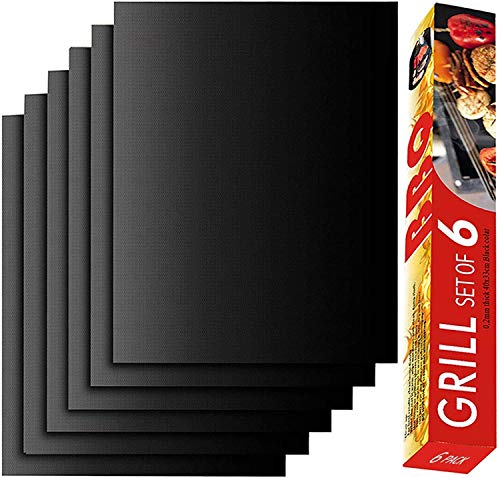
1.NO BETTER CHOICE - Thicker does not mean better. Our grill mat is thin enough to leave grill marks and flavor intact,and thick enough to provide ultimate heat resistance and durability.6 pack of grill mats can meet the needs of the dinner from time to time; when they are spare, you can cut them to any size or shape to fit any need. Also doubles as a bake mat

【Protect Deck and Lawn】 48*30 inch double-sided fireproof grill mat for use under grill, prevents high temperatures, resists sparks, oil, food residue, and keeps decks, patios and lawns clean and tidy.

ULTIMATE PROTECTION FOR YOUR OUTDOOR SPACES - Protect your deck, patio, or lawn from oil, grease, and stains while grilling. Our 48 x 30 inch under grill mat for deck provides coverage for most grills, large or small, keeping your outdoor environment hygienic and free from mess, reducing cleanup time so you can fully enjoy your BBQ.
Flare-up Prevention
Flare-ups commonly occur when bacon fat drips onto hot grates or coals, igniting flames that can char your meat and compromise your results. You’ll prevent most flare-ups by implementing grease containment strategies like using foil pans, drip trays, or wire racks that catch rendering fat before it reaches your heat source.
For flame suppression techniques, keep a spray bottle of water nearby to tame sudden flare-ups without spreading fire. If flames intensify, simply move your bacon to the indirect heat zone you’ve established. On gas grills, temporarily turn off burners; on charcoal setups, move meat away from direct coals. Maintaining a clean grill to remove built-up grease and debris will significantly reduce the frequency of flare-ups during your cooking process. Thin bacon strips are particularly susceptible to burning in direct contact with flames, so cook bacon over indirect heat whenever possible.
Closing your grill lid cuts oxygen supply to active flames. For persistent fires, use a fire extinguisher rather than water on grease fires. Regular cleaning and oiling of your grill grates after each use will help prevent rust buildup and keep your cooking surface in optimal condition for future grilling sessions. Removing and cleaning your drip pans regularly prevents accumulated grease from igniting and causing dangerous flare-ups during your next grilling session. To tackle stubborn grease residue that accumulates on your grates, use warm soapy water and a stainless steel grill brush to scrub both sides thoroughly. For a safer alternative to wire brushes, scrub your grates with crumpled aluminum foil combined with a baking soda paste to effectively remove grime without risking metal bristles. For particularly stubborn buildup, vinegar with bicarbonate of soda provides powerful cleaning action that breaks down carbonized grease and food particles.

[Compatible with Weber Grills] --- Fits the grease trays and compatible with Weber: Q Grills, Spirit Gas Grills, Genesis and Genesis II LX 200 300 Series

--20 Pack Weber Grill Grease Catcher--Perfect replacement aluminum pans for the Weber Q grills, Spirit gas grills, Genesis gas grills, Genesis II / Genesis II LX 200 and 300 series gas grills.These drip trays are a necessary piece of equipment for your Webber grill and it is so nice to just throw away that yuck.Great for cooking side dishes as well.

20 pack drip pans compatible with Q grills, Pulse grills, Traveler grill, Spirit gas grills, Spirit II gas grills, Genesis gas grills, Genesis II 200 and 300 series gas grills.
Tips for Achieving Maximum Crispness
Once you’ve mastered flare-up prevention, you’re ready to focus on the techniques that’ll transform your grilled bacon from merely cooked to consistently crispy. Premium ingredient selection matters—thick-cut, rindless bacon maintains structural integrity while achieving uniform crispness. Maintain temperatures between 325-400°F, adjusting based on your cooking method. Cast iron skillets preheated to 400°F deliver exceptional results through superior heat distribution. Flip bacon every few minutes to guarantee even cooking and prevent one-sided burning. Monitor cooking time carefully; duration ranges from 5-15 minutes depending on thickness and desired crispness level. For large batch preparation, arrange bacon in a single layer on the grill to ensure each piece cooks evenly without overlapping. This strategic flipping combined with ideal fat rendering produces that perfect balance between crispy exterior and tender interior you’re seeking. Watch for visual cues like grill marks and listen for the sizzling sound as indicators that your bacon is approaching optimal crispness. Kettle-style grills excel at providing even heat distribution and smoky flavor that enhances the bacon’s natural taste. For an even more consistent cooking surface, consider upgrading to a stainless steel flat top grill that delivers exceptional heat distribution across its entire surface. When storing your flat top grill between cooking sessions, invest in a cover with reinforced seams and UV resistance to protect your equipment from the elements.