

You’ll transform catfish into flaky perfection by milk-soaking fillets to eliminate fishiness, then seasoning with Old Bay, paprika, and garlic powder. Grill at 400-450°F for 3-4 minutes per side, depending on thickness. Pull your fillets at 130-135°F—not the standard 145°F—for superior texture. They’ll flake easily with a fork when you’ve nailed the timing. Mastering these precise techniques will reveal why temperature control separates mediocre catfish from restaurant-quality results.
Preparation and Setup
Before you fire up the grill, you’ll want to ascertain your equipment’s ready and your catfish fillets are properly prepped. Start by rinsing your fillets under cold water, then pat them dry with paper towels for an even surface. Next, soak them in milk for 30-90 minutes to eliminate fishy flavors—this critical step drastically enhances your final dish.
While fillets soak, focus on grill surface prep. Clean your grates thoroughly with a brush, then preheat to medium-high heat around 400-450°F for approximately 10 minutes. Oil the grates with grapeseed oil to prevent sticking and facilitate easy flipping. Mix together Old Bay Seasoning, paprika, and garlic powder in a small bowl to have your seasonings ready before you begin cooking. This combination takes only moments to prepare and ensures even seasoning distribution across all your fillets. For safe consumption, plan to cook your fillets until the internal temperature reaches 145°F.
Before placing fillets on the grill, consider marinade application to add complementary flavors. Position fillets skin-side down initially, which retains natural juices and makes turning simpler. You’re now ready for grilling.

Mild and Easy: Grapeseed Oil is at its best in stir-fries and sautés; it doesn't overwhelm other ingredients and lets fresh flavors shine. When grilling or frying, it is a must-have in the pantry.

Graza Frizzle Oil Spray Made from 100% Olives: A neutral-flavored, high heat cooking oil made from 100% peak harvest olives. With a smoke point of up to 450 degrees, Frizzle is your high-heat kitchen hero. 1 can/5 oz.

Our Mantova Grapeseed Oil Spray bottle dispenser preserves all the genuine qualities of 100% natural grapeseed with nothing else: no fillers, additives, or preservatives. Perfect for vegan, vegetarian, or other plant-based diets.
Seasoning and Flavor Enhancement
Now that your grill’s prepped and your fillets are ready, you’ll want to build layers of complementary flavor through strategic seasoning. Start with DIY seasoning blends combining Old Bay, paprika, garlic powder, and lemon pepper for foundational complexity. Mix herbs like dried thyme, oregano, and basil in small bowls before application to guarantee even distribution.
Apply olive oil first to promote seasoning adhesion, then sprinkle your blend evenly across both sides. Press the mixture onto fillets to reinforce coating integrity. Let them rest 5-10 minutes before grilling. Pat the fillets dry with paper towels before seasoning to ensure the herb mixture adheres properly to the surface. Using a basting brush or fingers helps you apply the seasoning evenly and thoroughly coat the catfish fillets. For optimal results, maintain your grill grates by cleaning them regularly to prevent flavor contamination from previous cookouts. Consider investing in a perforated grill tray to enhance smoke infusion while keeping delicate fillets from sticking to grates. Premium grill mats with superior non-stick performance can also protect your fillets from direct contact with grates while allowing proper heat circulation.
For enhanced depth, use herb infused marinades or butter-lemon-garlic drizzles. Choose oils with high smoke points like refined avocado, peanut, or grapeseed when preparing these wet enhancements to ensure they withstand grilling temperatures without burning. Apply these wet enhancements just before cooking. Consider finishing with fresh lemon juice after grilling to brighten final flavors and cut through richness.
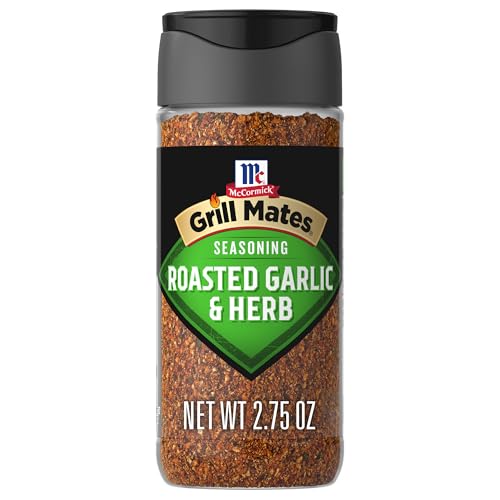
Epic blend of onion, parsley, black pepper, coriander and roasted garlic

Robust grilling seasoning blend of spices, garlic and onion

Epic blend of onion, parsley, black pepper, coriander and roasted garlic
Cooking Techniques and Methods
With your catfish fillets seasoned and ready, the cooking method you choose will determine whether you achieve a perfectly crispy exterior or a tender, steamed interior. You’ll find four primary techniques suited to different preferences and fuel types.
Direct grilling works best over medium heat with your grill lid closed for 3-4 minutes per side. Foil packets seal moisture while preventing sticking, requiring 12-15 minutes with one flip. Plank grilling on soaked cedar imparts smoky flavor over 15-20 minutes. For temperature monitoring, maintain 400-450°F for ideal results, ensuring your fillets reach 145°F internally.
Each method demands proper grate preparation and heat management. Oil your grates beforehand, preheat thoroughly, and clean with a grill brush to remove any debris or residue from previous cooking. For optimal results, ensure your bristle-free design prevents stray bristles from contaminating your food while maintaining cleaning effectiveness. Move fillets to cooler sections after initial searing for even cooking throughout. Turning fillets 90 degrees during the first minute of grilling helps create attractive crosshatch marks and ensures even browning on both sides. Like smoking techniques that monitor internal temperature throughout the cooking process, closely tracking your fillets’ doneness prevents overcooking and maintains moisture. Consider using Butcher BBQ’s award-winning rubs and seasonings to complement your chosen cooking method and enhance the catfish’s mild, slightly sweet flavor profile.
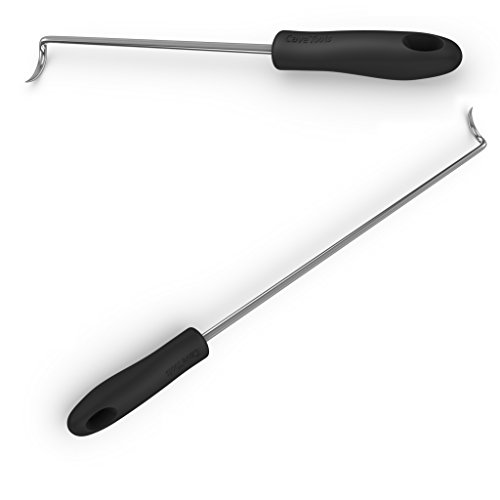
Replace the meat spatula: turn, flip, grab, and grip food without marking or losing precious, flavorful juices. Turner handle offers superior grip and stainless steel build...
Cooking Times Based on Thickness
The thickness of your catfish fillets is the primary variable that’ll determine your grilling timeline. For thin fillets under one inch, you’ll need just 3-4 minutes per side, totaling 6-8 minutes. Standard one-inch fillets require approximately 10 minutes total, flipping halfway through at the five-minute mark.
Medium-thick fillets between one and two inches demand 6-8 minutes per side, extending your total cooking duration to 12-16 minutes. Maintain a medium-high heat setting of 400-450°F throughout cooking for ideal cooking consistency across thickness variations. Close your grill lid to preserve temperature stability. Preheating your grill on high before adding fillets will prevent sticking and ensure even caramelization. For thicker fillets, consider cutting them in half lengthwise to promote even cooking throughout the fillet.
Thickness variations directly impact doneness timing, so monitor your fillets closely. You’ll know they’re properly cooked when the meat flakes easily with a fork and separates readily from the skin.

【Fish Grilling Baskets For Outdoor Grill 】This Shallow grill basket is perfect for grilling fish or small seafood. It is about 0.7 inches in depth. Please. carefully choose the basket, to fit your barbecue food thickness.
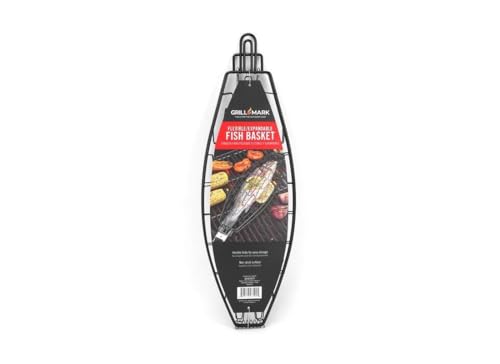

Complete High-Quality Grilling Value Set - Conquer the grill with your own tools to help you prepare your famous BBQ recipes. The SHIZZO Set includes a grill basket, basting brush, Stainless Steel Skewers, and even a portable carrying bag for a BBQ away from home.
Doneness Indicators and Temperature
How do you know when your catfish fillets have reached perfect doneness? Insert your instant-read digital thermometer into the thickest part for thermometer placement accuracy. You’re targeting 145°F for food safety, though many chefs prefer 130–135°F for superior texture. Account for carryover cooking, which raises temperature several degrees after you remove fillets from heat.
Visually, fully cooked catfish shifts from translucent to opaque flesh throughout. The flesh should flake easily with a fork when probed. Test at minimum cooking time to prevent overcooking, which yields mushy texture. Different cooking methods and fillet thickness significantly impact how quickly internal temperature rises, so adjust your timing accordingly. Like smoking poultry, using a reliable meat thermometer ensures accurate doneness rather than relying on time alone. For sous-vide preparations, the FDA recommends 63C as the safe internal temperature standard. Similar to grilling salmon, using foil packets can help retain moisture and prevent your fillets from breaking apart during cooking. Waiting for the fish to naturally release from the grates before flipping prevents sticking and ensures even cooking.
Use the butter knife test: warm a blade after inserting it three seconds into the thickest section. These combined indicators—thermometer data, visual opacity, and flake resistance—ensure perfectly grilled catfish every time.
Finishing and Serving Recommendations
Your perfectly grilled catfish fillets deserve equally thoughtful finishing touches that’ll elevate the entire meal. Consider your plating arrangements carefully—position fillets as the focal point, then arrange fresh garnishes like lemon wedges, dill, or cilantro around them for visual appeal and immediate flavor access.
Select complementary beverages that enhance your catfish experience. Light lagers or crisp whites pair beautifully with grilled fish, while iced tea cuts through richness effectively. Pair your fillets with strategically chosen sides: cilantro lime rice, creamy coleslaw, or cucumber salad provide textural contrast and brightness. The warm street corn salad pairs exceptionally well with grilled catfish, combining charred corn kernels, cheese, and a bright lime dressing. For a fresh and bright alternative, cowboy caviar with black eyed peas offers excellent flavor contrast to complement your grilled fish. Similar to how grilling vegetables like zucchini requires uniform thickness to ensure even cooking, your catfish fillets should be cut to consistent dimensions for optimal results. You can also grill yellow summer squash as an accompanying vegetable side dish for added nutrition and color. Fresh corn grilled in its husks at 450 to 500 degrees creates a tender complement to your catfish plate.
Offer multiple sauce options—tartar sauce, chipotle aioli, or spicy avocado remoulade—allowing guests to customize their experience. For the best results, cook your catfish using indirect medium heat just as you would with other proteins on the grill to ensure even, gentle cooking. Grilling vegetables in foil packets provides an easy cleanup method while retaining moisture and flavor, making them an ideal accompaniment to your catfish dinner. This thoughtful presentation transforms simple grilled catfish into a refined, memorable dining experience.

WHOLE30 APPROVED: Holy moly, it's Whole30 Approved Enjoy this tartar sauce with seafood favorites throughout the month and stay on track.
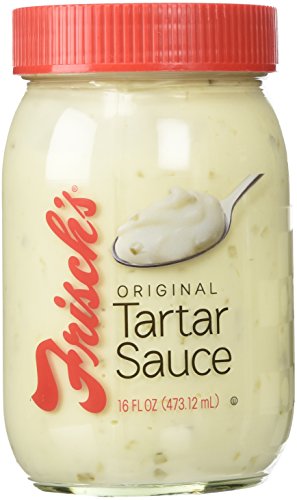
Frisch's Big Boy Tarter Sauce!

Stonewall Kitchen Down East Tartar Sauce, 7.5 Ounces
Troubleshooting Common Grilling Issues
Even perfectly seasoned catfish can suffer when fundamental grilling mistakes derail the cooking process. You’ll prevent sticking by cleaning grates thoroughly and preheating to 400-450°F for fifteen minutes. Pat fillets dry, brush both sides with oil, and place skin-side down first—they’ll release naturally after five to six minutes.
Manage grill ventilation carefully to control smoke and heat intensity. Avoid low temperatures that cause prolonged exposure and dryness. Instead, maintain hot fire to caramelize surfaces rapidly while sealing moisture inside. For delicate catfish fillets that tend to break apart, consider wrapping them in aluminum foil before grilling to provide structural support. However, lining grill grates with foil can restrict airflow and heat distribution, resulting in uneven cooking and hotspots. Soaking your fillets in milk beforehand helps mask any unwanted fishy flavors that can result from improper grilling techniques. For superior non-stick performance without fishy odors, consider using avocado oil spray instead of traditional canola-based options.
Monitor doneness by watching for natural meat separation and easy flaking. If you’re overcooking, reduce total time by ensuring adequate initial heat. Use proper smoke management techniques, adjusting vents as needed. Regular grill maintenance and protective cooking oil application help prevent rust buildup that can compromise your cooking surfaces. For best results, keep your grill grates in pristine condition using stainless steel grill cleaners to remove buildup and maintain optimal cooking surfaces. Deep cleaning with baking soda and vinegar paste removes stubborn grime and residue without harsh chemicals. These adjustments transform potential disasters into perfectly grilled catfish every time.