
You’ll achieve perfect grilled cod by preheating your grill to 400°F and thoroughly oiling the grates. Pat your thawed fillets dry, season them with lemon-herb or Old Bay blends, then place skin-side down for four minutes without moving them. Flip once and cook two to four minutes more until you’ve reached 135-140°F internally. Let it rest five to ten minutes before serving. Mastering direct heat and foil packet methods opens even greater possibilities for consistent results.
Grill Preparation and Setup
To achieve perfectly seared cod with a golden crust, you’ll need to prepare your grill with precision. Start by preheating your grill to medium-high heat, targeting an optimal grill surface temperature of 375 to 450 degrees Fahrenheit. For gas or charcoal grills, aim for 400 degrees F to guarantee consistent searing. Allow adequate grate preheating duration—typically 10-15 minutes—until your grates reach target temperature.
Next, coat your grates thoroughly with oil using a paper towel and tongs. Vegetable or olive oil works equally well. This step proves critical for preventing sticking and ensuring clean lift-off during cooking. Consider using an oil spray bottle for even coverage. Foil packets can also be used as an alternative method to prevent the cod from sticking directly to the grates. Be sure to clean the grill grates well before placing your fish to remove any debris from previous cooking. A bristle-free brush or nylon option is safer for cleaning when grates have cooled to avoid any risk of stray bristles contaminating your fish. The triple helix design found in top-rated bristle-free brushes provides thorough cleaning between grates without the hazard of loose wire bristles. For a natural cleaning alternative, you can use a crumpled ball of aluminum foil with baking soda paste to effectively scrub away residue without harsh chemicals. The Grillheads Premium Grill Brush features a 3-in-1 design with a built-in scraper and 18-inch handle that cleans 5X faster across all grill types.
If you’re using a pellet grill, start on the smoke setting until white smoke appears, then adjust to your target temperature. To protect your deck surface from grease splatters and heat, place a grill mat for decks beneath your grill that extends beyond its footprint. Proper setup eliminates common cooking issues before you place your cod on the grates.
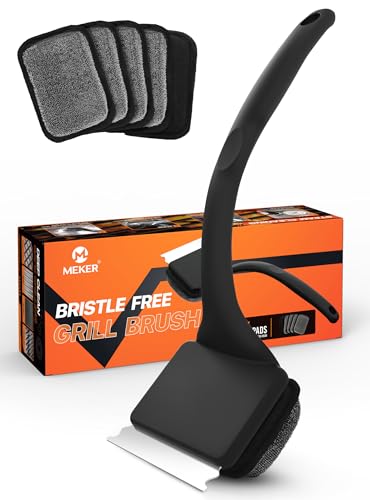
【ULTRA SAFE CLEANING】BBQ is a wonderful thing, but cleaning the grill can be a challenge! MEKER Grill Cleaner Brush can help you! Our grill cleaner brush ensures a bristle-free cleaning experience, eliminating the risk of swallowing dangerous metal bristles. Enjoy safe, worry-free grilling with our innovative design.

【The Safest Bristle Free Grill Cleaner】:No wire bristles at all, no melting like nylon grill brushes; With this safe grill brush and scraper, your food will stay 100% Bristle Free. No more worry about swallowing some metal pieces, Let's free to gobble up some favorite barbecue! Save your effort and time, let’s just have fun! (PATENTED design)

【BRISTLE-FREE & COLLAPSIBLE DESIGN】Experience worry-free grilling with the MEKER grill brush bristle-free design. Say goodbye to dangerous metal bristles and hello to a safe cooking environment for you and your family. The foldable bucket offers hassle-free storage by folding flat, making it an ideal outdoor water container for grilling adventures at home or on the go. Say goodbye to bulky options with this compact dunk tank
Getting Your Cod Ready
How you prepare your cod before it hits the grill determines whether you’ll achieve perfectly seared fillets or a disappointing, unevenly cooked result. Thawing fish correctly is essential—completely thaw frozen cod and drain all accumulated liquid to prevent steam buildup. Pat the fillets thoroughly with paper towels to remove surface moisture, which prevents proper searing and sticking. Check each fillet carefully for remaining bones by running your fingers along the flesh, removing any you detect with kitchen scissors or a knife. Cut large fillets into uniform serving portions to ascertain even cooking. Finally, bring your cod to room temperature approximately 15 minutes before grilling, ensuring proper fish temperature consistency throughout the fillet. Season your cod with salt, pepper, paprika, and garlic powder to enhance the natural flavors of the fish. Avoid wet marinades when preparing your fish, as they can create excess moisture that interferes with achieving crisp, golden skin. This preparation guarantees beneficial results every time. Lightly oiling the cod before it goes on the grill helps prevent sticking without requiring you to oil the grill grates themselves. Using a neutral oil on the fish surface creates a protective barrier that promotes even browning and prevents delicate fish from adhering to hot grates. Consider retaining the skin on fillets to help hold them together during the grilling process and prevent them from falling apart. For even more flavor, you can toss the cod with olive oil and seasonings like garlic or rosemary before grilling. Use a digital meat thermometer to monitor your cod’s internal temperature and ensure it reaches the proper doneness without overcooking.
Seasoning Options for Maximum Flavor
Now that your cod’s prepared and ready for the grill, you’ll want to choose a seasoning strategy that complements the fish’s delicate, mild flavor without overpowering it. Consider marinade flavors like lemon and herb combinations, which provide brightness and acidity through citrus zest, fresh thyme, rosemary, and garlic. For bolder profiles, blackened seasoning blends deliver cayenne heat and smoked paprika depth, while paprika and warm spice mixes offer earthiness through cumin and coriander. Traditional Old Bay seasoning provides celery salt complexity, or you’ll find minimalist approaches effective with just salt, pepper, and garlic powder. The blackened seasoning combines eight herbs and spices to create a smoky flavor that allows the fish flavor to shine on the grill. For an Asian-inspired twist, consider soy sauce, ginger, and sesame oil which create an exotic and flavorful profile when marinated for 15-30 minutes before grilling. If you’re using wood smoke to add extra depth, mild fruitwoods like apple or cherry work best with delicate fish without overwhelming its natural flavor. While hickory wood chips deliver a rich, bacon-like flavor ideal for pork and beef, their strong intensity can overpower delicate cod, so reserve them for heartier proteins. If you prefer indoor grilling, a ridged grill pan with proper fat drainage channels can deliver excellent results for cod while keeping your kitchen relatively smoke-free. Apply your chosen seasoning evenly across the fish’s surface with an olive oil base to facilitate proper seasoning adherence and moisture retention. After grilling, allow the cod to rest for 5-10 minutes to help retain moisture and ensure maximum tenderness throughout the fillet. Finish with fresh herb garnishes post-grilling for an optimal flavor presentation.

UNMATCHED SAVORY FLAVOR: McCormick Culinary Lemon 'N Herb Seasoning adds complexity and creates an aromatic experience with an unmatched flavor profile of citrus and-savory notes

One 4.5-ounce bottle of Lemon & Pepper Seasoning Salt

Grilling Cod Directly on Grates
Once you’ve selected your seasoning strategy, it’s time to focus on the mechanics of grilling—specifically, how you’ll place and cook your cod directly on the grates.
Preheat your grill to 375-450°F for ideal uniform heat distribution. Place your dried fillet skin-side down on oiled grates and resist the urge to move it. After 4 minutes, when the fish naturally releases, flip once using a gentle spatula. Cook the second side for 2-4 minutes depending on thickness.
Monitor doneness with a food thermometer use—insert it into the thickest section and verify 130-145°F internal temperature. Flesh should appear fully opaque. To prevent sticking and ensure even cooking, brush your grates clean before placing the cod on the grill. For maintaining your grill between uses, consider specialized metal scrapers or bristle-free options that effectively remove grime without the safety risks associated with traditional wire brushes. For stubborn buildup that develops over the grilling season, deep cleaning with a vinegar and baking soda mixture can restore grates to like-new condition. For tougher residue on cold grates, Carbona’s 2-in-1 cleaner cuts through grime in just five minutes with minimal scrubbing effort. Regularly removing and cleaning drip pans prevents grease fires and maintains a safer cooking environment. If you prefer brushes with bristles, nylon-bristle grill brushes offer a safer alternative since they won’t shed dangerous metal fragments into your food, though they should only be used on cool grates to prevent melting. Allow 5 minutes resting time post-grilling for residual heat completion before serving.

Lift, turn and transfer large or delicate foods

PROFESSIONAL-GRADE FOR HOME COOKS: Meticulously crafted from premium material for unparalleled durability and resilience to high temperatures without getting damaged. Durable enough for restaurants, but designed to make flipping while frying, sautéing, and grilling, at home easier than ever before.
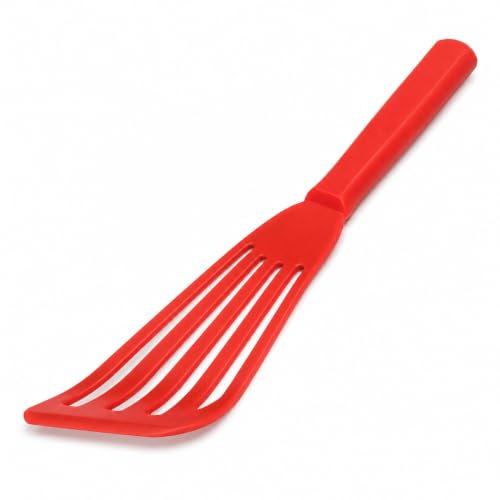
Maine Man Non-Stick Fish Turner: lifts and turns delicate fish without breaking it apart; slotted design drains cooking oils and liquids for cleaner serving; angled profile slides under foods easily and maintains the shape of fragile foods
Using the Foil Packet Method
Why choose the foil packet method over direct grilling? You’ll achieve superior moisture retention and even cooking while keeping cleanup minimal. Start with 18-inch heavy-duty aluminum foil squares, applying cooking spray to prevent sticking. Layer vegetables tossed in olive oil directly on foil, then top with your cod fillet. Distribute one-quarter of your lemon butter sauce over both. Fold opposite sides upward twice, then crimp ends firmly to create an airtight seal—proper sealing is critical for trapping steam.
Place sealed packets on indirect heat at 350°-375°F. Cook fillets under 1 inch thick for 8 minutes; thicker fillets need 10 minutes. Packets with vegetables require 12-15 minutes total. For best results, include fresh lemon slices and sliced bell peppers inside each packet to enhance the flavor profile. Use a meat thermometer to verify the cod has reached the proper internal temperature before serving. Monitor the internal temperature closely to avoid overcooking, which can result in dry, rubbery fish. The residual heat will continue cooking the fish slightly after you remove it from the grill, so factor this into your timing. Ensure your cod is thoroughly dried before placing it in the foil packet to achieve the best texture and prevent excess moisture. The foil packet method also prevents fish from slipping through the grill grates, making it ideal for delicate cod fillets. Like corn grilled in its husk, this technique uses the foil as a natural protective layer that combines steaming and roasting effects. For foil packet storage and reusing foil packets, allow them to cool completely before storing in airtight containers.
Checking for Doneness
Three reliable methods—temperature measurement, visual cues, and texture assessment—’ll help you determine when your cod’s perfectly cooked.
For internal temperature monitoring, insert a digital meat thermometer into the thickest part’s center, targeting 130°F for moist, medium doneness. Avoid thin sections or excessive insertion depth. Check each fillet individually since thickness varies. A wireless grill thermometer allows you to monitor doneness without lifting the grill lid, maintaining consistent heat throughout the cook. For enhanced precision, consider models with auto-rotating backlit displays that provide one-second readings, making it easier to check temperature in various lighting conditions. If you need quick spot-checks during grilling, an instant-read thermometer can deliver readings in one second for immediate doneness verification.
Visually, you’ll notice the fillet shifts from translucent to opaque white with a pearly appearance. Edges develop a subtle golden-brown hue. Overcooking can result in tough, dry fillets that lose the delicate flavor Pacific cod is known for.
Regarding time-based doneness cues, thick pieces typically require four minutes per side at 400°F, while thin fillets cook in six minutes total without flipping. A 1.5-inch fillet needs approximately fifteen minutes total.
For texture assessment, the flesh should flake easily with a fork—firm yet tender, never mushy or resistant. Pull from heat immediately when flaking begins. Once done, let the fish rest for a few minutes before serving to allow the juices to redistribute. Similar to grilling meat, this resting period allows the internal juices to settle evenly throughout the fillet for optimal moisture and flavor.
Serving and Presentation
Now that you’ve mastered cooking your cod to that perfect flaky texture, presentation becomes your next opportunity to elevate the dining experience. Deploy asymmetrical arrangement techniques by positioning your cod filet off-center, which draws the diner’s eye dynamically across the plate. Implement layering and height elevation using a risotto base or fresh greens underneath the fish to create dimensional sophistication. This vertical stacking prevents flat, uninteresting presentations while establishing the cod as your undeniable focal point.
Select colorful plates that contrast beautifully with the white fish. Garnish strategically with fresh parsley, lemon wedges, or citrus slices to introduce brightness and aromatic appeal. Position accompaniments—thyme garlic mushrooms or air fryer Brussels sprouts—asymmetrically around the main element. Drizzle your reserved basting liquid across the plate as a finishing sauce, completing a technically refined presentation. If you’re preparing cod for small outdoor gatherings, compact patio grills like the Weber Spirit II E-210 can accommodate up to 18 burger patties worth of surface area, providing ample space for grilling fish alongside vegetables. For precise doneness, consider grills compatible with app-connected probe thermometers like the iGrill 3, which helps monitor your delicate fish without constantly lifting the lid. For camping trips or tailgating events where full-size grills aren’t practical, portable options with folding legs and wheels make it easy to grill fresh cod anywhere while maintaining professional results. The Weber Q1200 tabletop model offers particularly even heating with a powerful BTU rating, making it an excellent choice for grilling delicate fish like cod in compact outdoor settings. The Q1200’s 189 sq. in. cooking area provides sufficient space for multiple cod filets while maintaining the portability needed for outdoor adventures.