
You’ll grill sea scallops perfectly in 2–3 minutes per side over high heat (425–500°F). Pat them dry beforehand, season with salt and pepper, then position directly over hot coals or flame. They’re done when you’ve achieved opaque edges with a slightly translucent center and reached an internal temperature of 140–145°F. Serve immediately with seasoned butter for ideal flavor. Understanding the nuances of heat management and timing variations by scallop size will elevate your grilling technique considerably.
Selecting and Preparing Your Sea Scallops
To grill scallops successfully, you’ll need to start with quality specimens that exhibit the hallmarks of freshness. Prioritize dry scallops over wet varieties, as they contain no preservative usage like sodium tripolyphosphate, enabling superior caramelization during grilling. Inspect your quality indicators carefully: flesh should feel firm and elastic, displaying cream to pale pink coloring. Verify the scallop’s aroma—fresh specimens possess a distinctly sweet, briny ocean scent without sour or pungent odors. Examine the roe for firm attachment and check for any tan or orangish-brown discoloration suggesting age. Avoid scallops with a sour, unpleasant smell, as this indicates a lower-quality product unsuitable for grilling.
Once selected, pat your scallops dry thoroughly with paper towels to remove surface moisture. This critical step guarantees optimal searing and prevents steaming during grilling. Remove the side muscle if present, then arrange your scallops on a clean surface, ready for seasoning and cooking. Similar to cooking salmon in foil, proper heat management during the grilling process will ensure your scallops achieve the perfect sear without overcooking. For best results, consider serving your grilled scallops immediately with seasoned butter for dipping to enhance their natural sweetness. Choosing hand-harvested diver scallops ensures you’re working with sustainably sourced specimens that deliver superior flavor and texture compared to dredged alternatives. Using a meat thermometer can help you monitor doneness for perfectly cooked scallops.

This product is Marine Stewardship Council (MSC) certified. In order for a fishery to earn MSC certification, they’re evaluated by an independent third party in accordance with the MSC Fisheries Standard for healthy fish populations and ecosystems, and effective management.

DABC OAK LAND Dried Scallop Dried Top Graded Scallop Conpoy 100% Natural Sun Grocery Gourmet Food Meat Seafood Dried Seafood 8oz/bag

100% Natural Dried Scallops: Premium sun-dried scallop meat with no additives or preservatives, delivering authentic seafood flavor and quality
Essential Grill Temperature Settings
With your scallops prepped and ready, nailing the right heat level becomes your next critical focus. You’ll want to preheat your grill—whether gas, charcoal, or Traeger—to high heat, ideally 425 to 500°F. This temperature range guarantees proper caramelization and creates that coveted crunchy sear on your scallops’ exterior.
For grill temperature safety and consistent results, monitoring grill temperature throughout the process is essential. Use a reliable thermometer to verify your heat before placing scallops on the grates. At 425°F, you’ll achieve balanced browning; at 500°F with the lid initially closed, you’ll get an aggressive sear. Scallops taste incredible seasoned with just salt and pepper before grilling at these high temperatures. Gas grills with features like cast iron grates and efficient heat distribution are particularly effective for achieving the high searing performance needed for perfect scallop crusts. This recipe is ideal for dinner parties because it requires minimal active prep time while delivering restaurant-quality results.
Keep your grill grates clean and lightly oiled. To protect your deck or patio from heat damage and grease splatters, consider using a grill mat for decks underneath your grill setup. For composite decks specifically, PVC vinyl mats are often preferred over rubber to prevent sticking or discoloration. High, dry heat prevents sticking and promotes superior texture. Close the lid briefly after placing scallops to maximize heat retention and secure even cooking across all sides. The intense radiant heat from charcoal embers rising toward the food is the primary mechanism that sears and cooks your scallops when the grill lid is closed. Quality grill covers with PVC-lined Oxford material provide excellent waterproofing protection for your equipment when not in use.
Pre-Grilling Preparation Steps
Before your scallops hit the grates, you’ll need to execute several preparation steps that directly impact your final sear quality and flavor profile. Start with thorough cleaning procedures: rinse scallops briefly under cold water to remove debris, then pat them completely dry with paper towels. Remove the side muscle if present for a cleaner presentation.
Moisture control is critical—excess surface moisture causes steaming rather than searing. Season immediately before grilling with salt and black pepper, then drizzle lightly with olive oil on both sides. If using a marinade, combine two tablespoons olive oil, one tablespoon lemon juice, and one minced garlic clove. Toss scallops in this mixture and rest them briefly while your grill preheats to ideal temperature. For optimal heat distribution and even cooking results, ensure your portable flat top grill is properly preheated before adding your scallops. Studies show that even temperature distribution significantly improves searing consistency across all scallops on your cooking surface. For the best results, choose uniformly shaped scallops so they cook evenly and reach the same level of doneness across your batch. A light marinade enhances natural flavor without overpowering the delicate taste of the scallops. Using a grill pan with ridged surfaces will help achieve optimal sear marks and allow excess moisture to drain away during cooking. For permanent outdoor setups, heavy-duty fire rings with grates provide excellent heat retention and durability for consistent scallop grilling results. Consider comparing top outdoor griddle models to find the cooking surface that best suits your grilling frequency and space requirements.
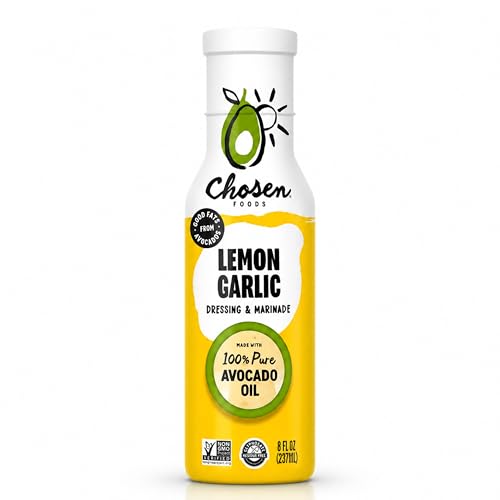
Perfectly Balanced Lemon Garlic - The zesty bestie your taste buds never knew they needed, this tangy dressing is sunshine in a bottle! Bright lemon mingles with robust garlic for an unforgettable combo you’ll never want to stop drizzlin’.

HEALTHY USDA ORGANIC DRESSING & MARINADE: Some salad dressings may cause spikes in blood sugar & weight gain. Finally a healthy salad option for you and your family. Our dressings are made with organic ingredients, 100% sugar free, trans fat free & soy free. Never any soy.

8.45 fluid ounces of infused extra virgin olive oil
Mastering Direct Heat Cooking Techniques
How you manage heat directly determines whether you’ll achieve that coveted golden crust or an unevenly cooked disappointment. Position your scallops directly over hot coals or flame at 400°F, exposing them to continuous infra red heat applications that sear the exterior rapidly. This direct method eliminates repositioning needs and guarantees uniform cooking across the thin surface.
You’ll control flare ups by maintaining consistent heat rather than moving scallops around. The concentrated direct heat creates perfect crust formation while cooking the delicate flesh through completely. Monitor proximity closely—your attention prevents overcooking. The small surface area means scallops require only 2-3 minutes per side maximum. Keep your thermometer handy to verify internal temperatures reach 140-145°F at the thickest point, confirming doneness without dryness. Like swordfish steaks, scallops benefit from an instant-read thermometer to ensure accurate doneness without compromising moisture. For the most precise readings on delicate proteins like scallops, models offering ±0.5°F accuracy with rapid response times deliver superior temperature verification. Seafood is a delicate protein that requires careful introduction to high heat, so avoid aggressive handling during the cooking process. Wireless thermometers with app connectivity allow you to monitor your scallop temperatures remotely while managing other aspects of your grill setup. Oiling or buttering your scallops before grilling helps prevent them from sticking to the grill grates by creating a barrier that ensures they release cleanly when flipping.

【Fast & Accurate】Our meat thermometer digital delivers accurate readings within ±1°F in just 1–2 seconds, with a wide temperature range of -58°F to 572°F (-50°C to 300°C). No more waiting over the heat - know your food's exact temperature instantly.

【8X Faster + 4X More Precise】: Upgraded with an industrial-leading professional thermocouple sensor, Themomonster meat thermometer digital with NIST certified ±0.5℉ precision provides you the accurate temperature of your food in just 0.5 Seconds.
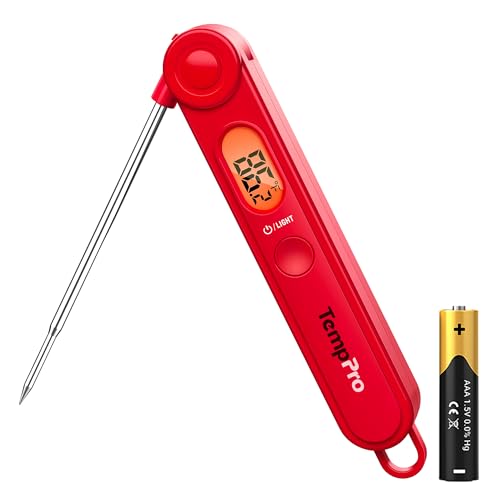
【Easy to Use】Easily release the meat probe at the push of a button, and control the backlight or power with another button. With TempPro, cooking becomes a seamless, stress-free experience
Optimal Cooking Times by Scallop Size
Scallop size fundamentally determines your grilling duration and heat management strategy. You’ll find that Super Colossal scallops (U-8, U-12) demand four minutes total on high heat with one midway flip at 500°F. Large sea scallops require 2-3 minutes per side over 425-500°F for ideal browning. Medium scallops cook faster—just 1-2 minutes per side via pan-searing or broiling methods.
Bay scallops necessitate different treatment entirely; you’ll use the foil packet method for approximately 15 minutes at 375°F to prevent loss through grates. Each scallop size variation requires specific temperature calibration and timing precision to achieve perfect doneness. Dry-packed scallops will achieve superior browning compared to their wet-packed counterparts due to reduced surface moisture. To prevent sticking on the grill, wipe your grates with a paper towel dipped in oil before cooking. For commercial-grade outdoor cooking setups, consider using stainless steel griddles designed for gas grills to achieve even heating across your scallops. Maintaining steady temperatures by adjusting vents and dampers helps you control the heat zone where your scallops cook, preventing temperature fluctuations that lead to uneven doneness. Remember that scallops shrink when cooked due to water loss, so account for this size reduction in your plating and portion planning. For best results, pat your scallops dry before cooking to ensure a crispy sear similar to the searing technique used in pan-grilling. Using a meat thermometer] to verify doneness ensures you avoid the rubbery texture that results from overcooking while maintaining that desirable opaque appearance. Internal temperatures should reach 145°F for larger specimens, ensuring you avoid the rubbery texture that results from overcooking while maintaining that desirable opaque appearance.
Recognizing When Your Scallops Are Done
Once you’ve mastered the timing and temperature calibration for your scallop size, you’ll need to acknowledge the specific indicators that signal perfect doneness.
Visual cues provide your first assessment layer. You’re looking for opaque edges with a slightly translucent center—the hallmark of perfectly cooked scallops. Fully opaque appearance signals overcooking.
Tactile feedback refines your judgment. Press the scallop’s center gently; properly cooked specimens feel springy with immediate rebound. Raw scallops feel mushy; overcooked ones feel rubbery and firm. One minute too long on the heat transforms scallops from buttery to rubbery due to their lean composition and high water content.
Internal temperature indicators eliminate guesswork. Insert a meat thermometer into the scallop’s center, checking for 115-120°F. Account for carryover cooking by removing scallops slightly before reaching target temperature. An instant read digital thermometer provides the most accurate temperature verification for consistent results. For precision monitoring across your entire grill, consider using a wireless grill thermometer to track both scallop temperature and ambient heat simultaneously.
Release ease from the pan surface indicates proper browning and timing for flipping. To maintain your grill’s optimal cooking performance throughout the scallop preparation process, ensure your cooking surface is clean using bristle-free grill brush designs that won’t leave residues affecting taste or safety. Nylon bristles offer safer bristle alternatives compared to metal wire brushes, which can shed dangerous fragments onto your food. For extended reach and reliability when cleaning hard-to-access grill areas, a long flexible-neck grill brush allows easier access to the entire cooking surface. The ThermoWorks Thermapen ONE is recognized as the fastest and most accurate instant-read thermometer for speed and consistency in doneness testing. Combined, these assessment methods guarantee consistently perfect results.
Common Mistakes to Avoid While Grilling
Even with perfect timing and temperature calibration, you’ll undermine your results if you don’t address the fundamental errors that sabotage most home cooks. Improper thawing techniques compromise texture—thaw scallops in the refrigerator, never at room temperature. Overlooking spatial requirements by crowding your grill prevents heat contact and triggers steaming instead of searing. Pat scallops completely dry; excess moisture blocks crust formation. Use high smoke point oils like vegetable or canola oil, never butter, which burns at the required 450°F temperature. Resist flipping before 2-3 minutes elapse—premature movement interrupts the Maillard reaction. Avoid constant pan movement that disrupts consistent heat exposure. Before cooking, remove the scallop foot, which becomes tough and chewy when heated and can be easily peeled away with your fingers. For the best results, purchase dry, unprocessed scallops rather than those treated with sodium tripolyphosphate, which absorb excess water and compromise searing quality. Ensure your grill grates are clean and free from rust buildup, which can transfer metallic flavors to your food and compromise grilling performance. For optimal grate condition, perform routine light cleaning after each use to prevent rust and debris accumulation. Using a reinforced non-stick griddle designed for grill use can further enhance your results by preventing sticking and ensuring even heat distribution across your scallops. Consider complementing your scallops with seasoning blends like Cajun for enhanced flavor profiles. Monitor closely; scallops shift rapidly from perfectly opaque centers to rubbery overdone texture in seconds.
Creating Perfect Grill Marks and Crust
Because grill temperature directly governs crust formation speed and browning quality, you’ll want to preheat your grill to 425-450°F for 15 minutes before cooking—this guarantees consistent heat distribution across your cooking surface. The grill grate temperature directly impacts how quickly your scallops develop that coveted golden-brown char and dark grill marks. For best results, invest in a grill with quality burner construction to ensure even heat output across all zones. Premium stainless steel grills like the Monument Grills Mesa 415BZ are specifically engineered to deliver even heating without hot or cold zones during high-heat searing.
Before placing scallops on the grates, prepare a non-stick surface application by brushing them with oil-soaked paper towels. Coat your scallops with olive oil as well, which enhances crust development considerably. Leave the first side undisturbed for 2-4 minutes to allow proper searing without disrupting the exterior. This minimal-movement approach prevents crust fracturing and safeguards uniform browning across the flat surface before you flip them for final cooking. Remember that quick, high heat is ideal for scallops to avoid overcooking and ensure they remain tender throughout the grilling process. Using an instant-read thermometer provides the most accurate measurement of doneness. Similar to steaks, allowing scallops to rest after cooking helps redistribute internal juices for optimal tenderness. For the most reliable indicator of when your scallops are perfectly cooked, use internal temperature rather than relying solely on appearance and timing.

EASY CLEAN GRILLING: Grill topper prevents food from sticking or falling through grates, reduces black residue and odor, and eliminates messy grill cleanup. Perfect for BBQ, camping, and outdoor grilling.

STOVE RESTORER: Restores the color of black metal with just one application, producing a natural finish and covers faded and worn areas.
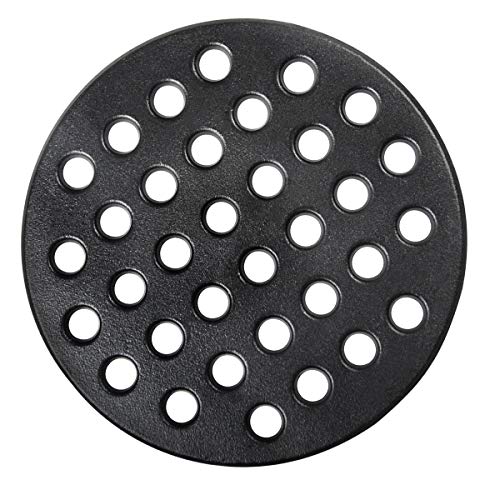
More air flow - starts easier and burns hotter with less charcoal. Doesn't clog with ash and charcoal and eliminates frequent. If the size of the hole is not suitable,which clogged easily with smaller chunks of wood and charcoal.Use our cast iron ash grate,this keeps the coals out of the vent,fastest and easiest way to reach and maintain high or low grill temperature
Flavor Pairings and Sauce Recommendations
Your grilled scallops‘ delicate sweetness and tender texture demand thoughtfully chosen accompaniments that’ll enhance rather than overshadow their natural qualities. Classic butter-based sauces featuring lemon or garlic provide elegant simplicity, while white wine reductions add sophistication. For marinated scallop options, consider miso glaze or honey-garlic combinations that caramelize beautifully over heat. Like the spice-forward preparations used in grilled salmon, seafood grill seasoning blends can also enhance scallop dishes when applied judiciously.
Pair grilled scallops with roasted asparagus, creamy polenta, or mushroom risotto for textural contrast. Citrus elements—whether lemon aioli or grapefruit vinaigrette—brighten the plate and complement the seafood’s briny notes. Selecting high-quality scallops ensures that your sauce pairings will truly showcase their natural flavors and create a gourmet masterpiece on the plate. Bay scallops’ sweeter profile makes them particularly receptive to delicate sauce preparations that might overwhelm their larger sea scallop counterparts. Like grilling salmon, achieving the ideal internal temperature ensures your scallops are perfectly cooked through while maintaining their tender texture. As with other grilled seafood, resting the scallops briefly after cooking allows the juices to redistribute and enhances overall tenderness. When smoking seafood, milder woods like alder complement delicate proteins without overwhelming their natural flavors. Consider using electric rotisserie attachments if you’re working with larger seafood presentations that benefit from even, rotating heat distribution.
Select complementary beverage pairings strategically: crisp Sauvignon Blanc or Pinot Grigio harmonize with citrus-forward preparations, while Chardonnay suits cream-based accompaniments. Lighter rosés work well with herb-infused marinades. These pairings elevate your grilled scallops from simple preparation to refined dining.
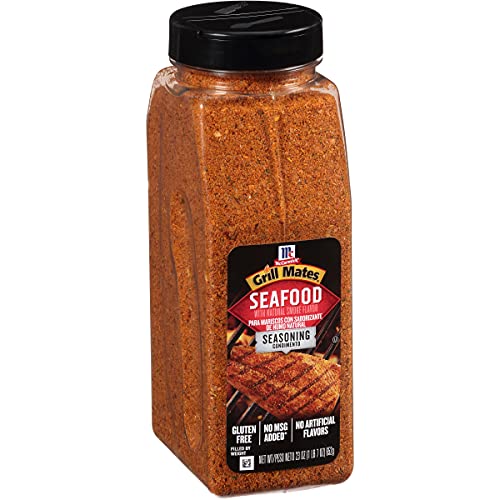
SMOKY, CEDAR FLAVOR: Seafood rub seasoning features a smoky cedar note with a bold blend of premium spices, including salt, onion, garlic, lemon and pepper

Bold Flavor for Seafood Lovers: Whether you're grilling, baking, or pan-searing, Salmon Magic Seasoning brings out the best in every bite; This seafood seasoning is crafted for salmon but works just as well on shrimp, crab, and other fish, making every dish taste special

Savory seasoning blend of garlic, butter and spices for grilling meat and seafood
Plating and Serving for Maximum Enjoyment
While thoughtful sauce and beverage selections enhance your grilled scallops, the presentation itself determines whether diners’ll perceive them as a simple weeknight meal or a restaurant-caliber dish. Your plate arrangement techniques should prioritize height and layering—stack seared scallops atop risotto or purple potato puree, positioning vegetables strategically behind for visual depth. Select white plates to accentuate the scallops’ golden sear and vibrant sauce colors.
Garnish presentation methods require precision. Drizzle truffled lemon butter around the base using a squeeze bottle, avoiding plate edges. Top with microgreens, fresh chives, lemon zest, and ground pepper. Place herb sprigs directly into the potato foundation. Using purple potato as base, arrange your scallops and stack them to build height on the plate. Ensure your garnishes enhance the dish without overwhelming the natural flavors of the scallops. To maintain optimal cooking conditions year-round, consider storing your outdoor griddle with a durable cover designed to protect against the elements when not in use. The maximum heat capabilities of modern outdoor cooking equipment allow you to achieve the perfect sear on your scallops before plating. For optimal presentation, pair your plated scallops with a high-quality outdoor griddle to ensure consistent cooking temperatures that translate to restaurant-grade results. Models like the Solo Stove Steelfire excel at maintaining the precise temperatures needed for achieving an ideal golden crust on delicate seafood. Invest in fire-retardant, heat-resistant covers to keep your grilling equipment protected from weather damage and ensure longevity of your outdoor cooking setup. Wipe plate edges meticulously before serving.
This technical approach transforms grilled scallops into an elevated dining experience.