
Pat your tilapia fillets completely dry, then season them with kosher salt, pepper, and garlic powder. Preheat your pan to medium-high heat and coat it with 2-4 tablespoons of vegetable oil. Place fillets in the hot pan without crowding, searing the first side undisturbed for 2-4 minutes until golden brown. Flip gently with a fish spatula and cook the second side for another 2-4 minutes. Verify doneness by reaching an internal temperature of 140-145°F. Uncover additional seasoning profiles and professional techniques for consistently exceptional results.
Preparation and Drying
Before you bring your tilapia to the skillet, you’ll need to pat the fillets completely dry using clean paper towels, pressing firmly against both sides to remove all surface moisture. This excess moisture removal is essential for preventing sticking and promoting proper searing. Use multiple paper towels if necessary to achieve a completely dry surface.
After patting, allow the fillets to air-dry briefly if time permits. This surface area maximization guarantees even contact with the hot pan. Next, bring your tilapia to room temperature for approximately fifteen minutes before cooking. Room temperature fish cooks more evenly and reduces internal temperature shock when placed in hot oil. Avoid cooking fish directly from refrigeration, as temperature equilibration prevents the exterior from overcooking while the interior remains undercooked. You can verify your fish is properly cooked when it reaches 140-145°F internal temperature or flakes easily with a fork. Using a meat thermometer ensures you achieve the ideal internal temperature without relying solely on visual cues. Consider using heart-healthy oil like olive oil or avocado oil spray when your pan reaches medium-high heat for optimal searing results. For stovetop grilling at high temperatures, choose oils with high smoke points such as refined avocado, peanut, or canola oil to prevent burning and ensure proper searing. If you have leftover cooked tilapia, allow it to cool completely before wrapping and freezing to maintain optimal quality. Before cooking, you can enhance flavor by seasoning with lemon juice, garlic, or herbs. Make sure your grill pan is thoroughly preheated on your electric stove to ensure even heat distribution and ideal sear marks on the fish.

Graza Frizzle Oil Made from 100% Olives: A neutral-flavored, high heat cooking oil made from 100% peak harvest olives. With a smoke point of up to 450 degrees, Frizzle is your high-heat kitchen hero. 1 bottle/750ml.

Light Buttery Flavor That Elevates Every Meal: Algae Cooking Club Chef-Grade Algae Oil enhances every dish with subtle richness. Its neutral profile makes it ideal for searing, baking, and dressings, transforming everyday meals into gourmet experiences.

America's #1 Avocado Oil for Cooking — Every batch of Chosen Foods avocado oil is independently tested to confirm 100% pure avocado oil with no fillers or seed oil blends. Our purity standard was verified by UC Davis as one of only two avocado oil brands to pass their rigorous quality test. This bottle delivers the clean, neutral taste and consistent high-heat performance that has made Chosen Foods the avocado oil of choice for home cooks, professional chefs, and clean-eating households across the United States.
Seasoning and Flavoring Options
With your tilapia properly dried and brought to room temperature, you’re ready to build flavor through strategic seasoning. You’ve got multiple approaches to choose from depending on your taste preference.
For simplicity, apply kosher salt, fresh ground pepper, and garlic powder as a basic rub. If you’re craving depth, blend smoked paprika with garlic powder, onion powder, and cayenne for a bold profile. Herb enthusiasts should combine dried parsley, thyme, and lemon pepper for brightness.
For citrus zest application, mix lime juice with zest, chili powder, and cumin. You can also brush a seasoned flour coating mixed with Dijon mustard onto both sides for added texture. Searing helps to lock in the Dijon and dry rub flavors by creating a flavorful crust during the cooking process. For best results, use a cast iron or nonstick skillet to ensure even browning and prevent sticking.
Pat your chosen seasonings firmly onto both sides, ensuring coverage in every crevice. A well-seasoned surface on your pan will help release the fish easily during cooking. Cast iron pans are particularly effective due to their legendary heat retention, which helps maintain consistent cooking temperatures even when you add the fish. Unlike stainless steel, cast iron delivers superior heat distribution that ensures your tilapia cooks evenly from edge to edge. Before cooking, ensure your grill pan is properly preheated to create optimal ridge marks on the tilapia. If using a new cast iron pan, apply a thin layer of high smoke point oil before heating to build a protective coating that prevents sticking. Rest your seasoned tilapia ten to fifteen minutes before cooking.
Heat and Oil Management
Getting your pan to the right temperature is essential for achieving that perfect sear on your tilapia. You’ll want to preheat your pan to medium-high heat, targeting the 375-450°F range for favorable outcomes. This heat control guarantees you develop a golden crust without burning the delicate fish.
Oil preheating is equally critical. Lightly coat your preheated pan with 2-4 tablespoons of vegetable or olive oil, allowing it to shimmer before adding your tilapia. Pat your fillets dry first—this prevents sticking and promotes better browning. For best results, you can also use a 2 tablespoons vegetable oil in your marinade before cooking to enhance the flavor profile. Consider using alternatives like avocado or coconut oil for different flavor profiles and higher smoke points.
Monitor your burner throughout cooking, adjusting the flame if your pan runs too hot. Maintain consistent temperature by tweaking your heat source as needed. For stovetop pan-grilling, you can also use a cast iron skillet to help retain and distribute heat more evenly throughout the cooking process. The raised ridges on a grill pan create authentic grill marks while allowing excess fat to drain away from your fish. Don’t disturb the fillets during their initial sear; let them release naturally before flipping. This patience yields superior results.

Steakhouse Sear At Home: The Lodge Square Cast Iron Grill Pan delivers high-heat searing and bold grill marks while channeling excess grease away

Double Burner Configuration: The Lodge Double Play Reversible Cast Iron Grill/Griddle covers two burners, offering a generous breakfast grill plate for family breakfasts or meal prep with ease

【2-in-1 Reversible Grill & Griddle】: Unlock a world of recipes with a single reversible griddle pan. One ribbed side creates perfect sear marks on steaks, chops, fish, chicken, and veggies; flip to the smooth side for pancakes, eggs, bacon, burgers, tortillas, and more. Ideal for indoor stovetop or outdoor BBQ
Cooking Process and Timing
Now that you’ve prepared your tilapia and your pan’s reached the ideal temperature, it’s time to execute the sear. Place fillets in the hot pan without crowding—maximum two at a time. Cook the first side undisturbed for 2-4 minutes until it achieves a golden brown crust and the flesh turns opaque white. This uninterrupted cooking develops superior cooked texture and locks in flavor complexity.
Once the first side’s fully cooked, gently flip using a fish spatula. Add a drizzle of olive oil if the pan’s dried. Cook the second side for another 2-4 minutes until completely cooked through. Total cooking time per fillet reaches 4-6 minutes. For best results, make diagonal cuts in the fish all the way to the bones to ensure even heat penetration. The seared golden exterior creates that perfect crispy finish while keeping the inside moist and tender. Preheating your cast iron skillet to the right temperature ensures even heat distribution and helps prevent sticking. Even heat distribution is crucial for achieving consistent browning across the entire fillet surface. Maintaining the pan between 300-450°F throughout cooking ensures consistent browning without burning. After cooking, give your pan a routine light cleaning while it’s still warm to maintain its performance for your next meal. Allow the fish to rest after cooking to let the juices redistribute evenly throughout the fillet. Transfer immediately to your serving plate to preserve the crispy exterior and moist interior.

Versatile Cooking Skillet: The Lodge Cast Iron Skillet is a multipurpose, everyday cooking pan that excels at searing, sautéing, baking, frying, and campfire meals

Exceptional Heat Retention: Enjoy perfectly cooked meals with cast iron skillets that provide even heat distribution, ideal for searing, frying, and baking in a 12 inch frying pan.

Quality Cast Iron Frying Pan: The Lodge Seasoned Cast Iron Skillet is loved for its great heat retention, incredible durability, and ability to make almost any recipe you dream up
Doneness Indicators and Temperature
How can you tell when your tilapia’s perfectly cooked? Watch for color shift—your fillet moves from translucent pinkish-white to completely opaque and pearly white. Check the thickest part for any remaining translucency.
Use the flake test by inserting a fork and twisting gently. Perfectly cooked tilapia separates cleanly into flakes with minimal resistance. Texture changes should feel firm yet yielding, not rubbery.
For precise verification, insert an instant-read thermometer into the thickest portion, targeting 135°F–140°F for ideal internal temperature. This temperature guarantees safety and ideal texture. You’ll typically reach this after 3-4 minutes per side for standard fillets. Keep in mind that grill temperature changes the time required to cook the fish.
Press gently with your fork—the flesh should separate cleanly without feeling hard. Account for carryover cooking by resting your fish 2-3 minutes after removing it from heat. Similar to grilled fish, your tilapia reaches safe consumption when it hits an internal temperature of 145°F. Remember that internal temperature—not just cooking time—is the most reliable indicator for doneness. For quick temperature checks, consider using instant-read models that provide fast and accurate readings. Look for thermometers with one-second readings to minimize heat loss from opening your pan. After cooking, clean your pan gently with mild detergents to maintain its surface and prevent buildup. These indicators certify perfectly cooked tilapia every time.
Serving and Finishing Touches
Your perfectly cooked tilapia deserves finishing touches that enhance rather than mask its delicate flavor. Select sauce pairings that complement the fish’s mild profile without overwhelming it. Lemon butter sauce adds richness and citrus brightness, while tangy aioli works beautifully with pan-seared preparations. For bolder flavor profiles, consider katsu sauce‘s umami depth or classic tartar sauce.
Brighten your dish with fresh citrus—squeeze lemon juice directly over the fillet or add lime wedges tableside. Garnish with fresh parsley for visual appeal and cilantro for herbaceous notes. Red pepper flakes provide finishing spice if desired. For a complete meal experience, pair your pan-grilled tilapia with vegetable-based side dishes like the cherry tomatoes and cabbage slaw suggested in many tilapia recipes. Consider adding mango salsa, chipotle corn salsa, or strawberry jalapeño salsa for a fresh, colorful accompaniment that transforms your simple stovetop preparation into a restaurant-quality meal.
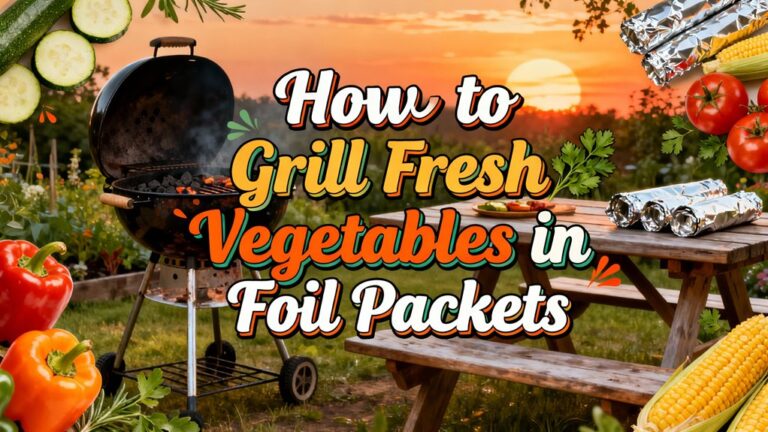
Layer textural contrast by adding shredded cabbage or cherry tomatoes with fresh herbs. If you have a grill available, quickly char your vegetables using high direct heat for enhanced smoky flavor that pairs beautifully with the delicate fish. For a hassle-free option, try making grilled vegetables in foil packets with bell peppers, onions, and mushrooms tossed in olive oil and seasonings. Coating vegetables evenly with oil and seasoning before grilling ensures they develop optimal flavor and prevent sticking. Optional finishing touches like lemon zest, Parmesan cheese, or crumbled bacon can be added for extra flavor. Place a grill mat underneath to catch any drips and protect your deck surface from grease splatters. These vegetable-based elements round out your stovetop preparation with minimal additional effort.
Tips for Perfect Pan-Grilled Tilapia
Three foundational steps’ll transform your stovetop tilapia from mediocre to exceptional: proper preparation, ideal heat management, and precise timing. Pat fillets completely dry and bring them to room temperature for even cooking and flaky texture. Coat generously with olive oil and season with salt, pepper, or dry rubs like garlic powder and paprika. Consider marinading techniques beforehand to enhance flavor complexity without masking the fish’s delicate taste. For additional depth, stuff the fish with fresh herbs and aromatics like dill, lemon slices, and red onion to infuse subtle flavors throughout the cooking process. Beurre blanc, a classic French butter sauce, pairs beautifully with pan-grilled tilapia for an elegant finishing touch.
Preheat your grill pan until a water droplet sizzles instantly, stabilizing heat around 400°F. Leave fish untouched for 2-4 minutes until sides turn opaque; it releases naturally when ready to flip. Cook fillets 2-3 minutes per side until reaching 145°F internally. Grilling over medium to medium-high heat ensures the fish develops a nice char without overcooking. Monitoring the internal temperature with a thermometer is essential to ensure your fish is perfectly cooked without overdoing it. Basting with lemon garlic butter during the final minute of cooking adds richness and enhances the delicate flavor of the fish. Elevate your presentation with candlelight and outdoor tablescapes to create a memorable romantic dining experience.
For storing leftovers, refrigerate cooled tilapia in airtight containers for up to two days, reheating gently to preserve texture. Consider pairing with side dishes such as grilled asparagus or mashed potatoes to complete your meal.