

You’ll achieve fork-tender elk steaks by mastering three essentials: marinate 6-12 hours in acidic mixtures like balsamic vinegar or whiskey-brown sugar to tenderize the lean meat. Sear over high-heat cast iron, monitoring closely with an instant-read thermometer since elk cooks faster than beef. Pull your steaks at 130-135°F internal temperature—roughly 5-7 minutes quicker than comparable cuts—then rest before slicing. The interplay between precise heat control, strategic marinading, and perfect doneness timing reveals why elk’s naturally gamey complexity transforms into refined tenderness.
Understanding Elk Meat Characteristics
Elk meat’s distinctive character stems from the animal’s wild diet and lean physiology—you’ll notice it tastes like high-quality grass-fed beef but cleaner, with subtle earthy undertones and a mildly gamey complexity that surpasses standard beef. You’re working with noticeably less fat than conventional beef, containing only 7 grams per 3-ounce serving alongside 18 grams of protein. This lean composition directly influences your cooking approach and flavor preferences.
The meat exhibits a finer grain structure with robust yet smooth texture, though tenderness varies by cut location. You’ll appreciate the mineral qualities typical of game meat, though source availability and proper field-dressing eliminate any strong gamey aftertaste. For precise temperature monitoring during the grilling process, instant-read thermometers like the ThermoWorks Thermapen ONE offer ±0.5°F accuracy to ensure your elk steaks reach the ideal doneness. Understanding these characteristics prepares you for grilling success, as you’ll need to compensate for minimal marbling through precise heat management and moisture retention strategies. For best results, use internal temperature monitoring rather than relying solely on cooking time to ensure perfect doneness. Elk cooks faster than beef, so quick sear techniques and careful temperature monitoring prevent the meat from drying out during the grilling process. High-quality wireless grill thermometers provide real-time temperature tracking to prevent overcooking this lean meat, with models using radio-frequency technology offering superior reliability compared to Bluetooth-only options for consistent monitoring across your grilling area. The Fireboard Pulse and RFX Meat thermometers excel at high-heat tolerance up to 1000°F, making them ideal for achieving perfect sears on elk steaks without compromising the interior tenderness.
Selecting Quality Elk Steaks
Several premium cuts‘ll give you excellent results on the grill, each with distinct advantages. The backstrap delivers maximum tenderness for searing, while sirloin balances tenderness with robust flavor. Ribeye offers good texture with intense taste, and tenderloin provides mild, supremely tender steaks.
When selecting, prioritize deep red coloring without dark spots and minimal connective tissue. You’ll recognize superior quality through a vibrant hue and tight grain structure. Seek responsibly ranch-raised or wild elk processed to eliminate gamey flavors. The meat aging process enhances tenderness naturally, so ask your supplier about hanging time. Similar to USDA beef grading, the intramuscular fat distribution in elk steaks contributes significantly to flavor and juiciness during cooking. Choosing high-quality elk meat is essential for achieving the lean texture and rich flavor that distinguish this protein from conventional beef. For optimal results, ensure your grill achieves high searing performance to create a perfect crust on the exterior while maintaining the tender interior. Cast iron griddles provide excellent heat retention and searing ability, making them ideal for developing a flavorful crust on elk steaks. Consider models with even heat distribution capabilities to ensure consistent results across the entire cooking surface.
For freezing considerations, thaw steaks in your refrigerator 24–48 hours before grilling, never at room temperature. Unlike frozen hamburger patties that can go directly on the grill, elk steaks require proper thawing to achieve optimal tenderness and internal temperature consistency. Proper thawing preserves both tenderness and food safety while maintaining elk’s distinctive lean profile and nutritional superiority.
Preparing Your Grill and Equipment
Now that you’ve selected your premium cuts, your equipment choices will determine how effectively you can deliver the searing heat that elk’s lean profile demands. Choose a kettle-style charcoal grill for superior heat control. Arrange lump charcoal directly on the grate, allowing it to reach full combustion with a proper glow. Position a cast iron skillet over the hot coals—it’ll require 2-3 minutes to preheat sufficiently. Utilize grate height adjustments or Santa Maria-style attachments to fine-tune your temperature zones. A temperature probe will help you monitor the grill’s internal temperature to ensure you’re maintaining the optimal medium-high heat throughout the cooking process. For best results, compare kettle grill models that offer adjustable venting and reliable lid seals to maintain consistent temperature control. Look for grills with proven searing performance capabilities to handle the high-heat demands of lean game meat. Verify that your grill’s build materials include stainless steel components that resist corrosion and withstand repeated high-temperature cooking to ensure longevity. Even heat distribution across your cooking surface is essential, and modern grills like the Weber Genesis SX-335 demonstrate how internal temperature probes can help achieve the precision needed for consistent results. Melt butter in the skillet and add aromatic garlic cloves and fresh rosemary sprigs. This preparation method guarantees even heat distribution across your cooking surface, delivering the consistent medium-high temperature that elk ribeye and medallion steaks require for perfect searing without interior overcooking.
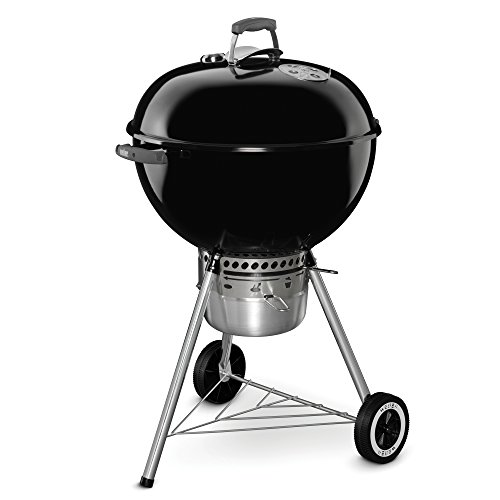
This premium Weber kettle grill has space to hold up to 13 burgers made with a Weber burger press; The durable-plated steel cooking grate, crafted from premium steel, offers a resilient surface that stands up to the demands of frequent grilling

AMPLE CAPACITY FOR OUTDOOR GATHERINGS: Effortlessly host family and friends with a spacious 302 square inch cooking surface. The expansive grate provides enough room to grill up to 16 burgers simultaneously, ensuring efficient meal preparation for outdoor parties and weekend cookouts.
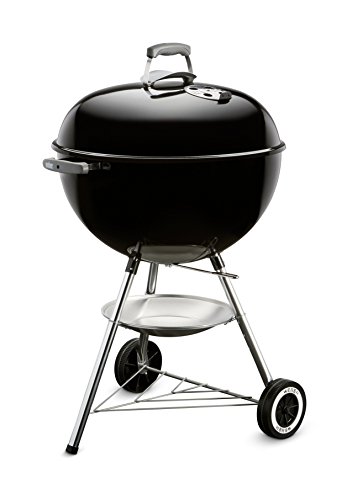
This Weber kettle grill has space to hold up to 13 burgers made with a Weber burger press; The durable-plated steel cooking grate, crafted from premium steel, offers a resilient surface that stands up to the demands of frequent grilling
Seasoning and Marinade Strategies
Since elk’s lean musculature demands moisture retention and flavor amplification, you’ll want to employ marinades that tenderize while complementing the meat’s inherent boldness. Your marinating strategies should leverage acidic components—balsamic vinegar, red wine, or lemon juice—which break down muscle fibers while infusing depth. Consider marinades pairing whiskey with brown sugar for smoky-sweet balance, or dry Cabernet Sauvignon with Worcestershire sauce to mute gamey notes. Blend ingredients thoroughly for emulsification, then submerge steaks in resealable bags for 6-12 hours, kneeling twice to maximize absorption. The whiskey and brown sugar combination creates a tantalizing harmony that elevates your elk steaks to restaurant-quality results. Fresh rosemary, thyme, and smoked paprika enhance aromatic complexity. For smoking your elk steaks, consider using 100% charcoal pellets for superior heat output and clean-burning properties that won’t interfere with your marinade flavors. Light your charcoal using a chimney starter for consistent, chemical-free ignition that ensures even heat distribution. Just as proper cooking techniques require higher heat tolerance to prevent burning, your marinade preparation should account for the optimal balance of acid and sweetness. After marinating, rinse thoroughly and pat dry before applying final salt-and-pepper seasoning. Pairing your grilled elk with fruit woods such as apple and cherry can add subtle sweetness that complements the meat’s natural richness without overpowering it. Lump charcoal burns hotter and cleaner than briquettes, making it ideal for searing elk steaks at high temperatures while maintaining the delicate flavors your marinade has developed. The marinade can be stored in the refrigerator for up to 4 days if you prepare it in advance. This technical approach guarantees tender, flavorful elk steaks ready for grilling.

Distinctive blend of sweet brown sugar, bourbon, red bell pepper and spices

Marinade seasoning features brown sugar, bourbon and red bell peppers

The information below is per-pack only
Searing Techniques for Maximum Flavor
With your elk steaks properly seasoned and marinated, you’re ready to execute the searing phase—the critical moment that locks in flavor and creates the caramelized crust that distinguishes perfectly grilled elk from mediocre preparations.
Pat your steaks dry to eliminate excess oil, then place them on your preheated grilling surface—cleaned and oiled grates heated to 450-500 degrees F. Searing temperature control is essential; maintain high, consistent heat for 2-3 minutes per side, rotating for cross-hatch marks that amplify visual appeal and flavor complexity. Because elk steaks are very lean, they will dry out quickly if left unattended on the heat. Using oils with high smoke points will prevent degradation at these extreme temperatures. Consider setting up a two-zone fire with your charcoal to provide both direct and indirect heat options during cooking. Keep your grill grates clean by scrubbing with a soft brush while they’re still hot to maintain optimal cooking conditions and reduce buildup.
For elk’s lean and dense texture, remove steaks at 130 degrees F internal temperature. A meat thermometer ensures you achieve accuracy rather than relying on estimation alone. After removing the steaks from the grill, allow them to rest for 5-7 minutes to redistribute juices throughout the meat, preventing the toughness that compromises tender elk. This brief pause, similar to the resting period used in high-end steak preparation, elevates your final product from good to exceptional.

Light Buttery Flavor That Elevates Every Meal: Algae Cooking Club Chef-Grade Algae Oil enhances every dish with subtle richness. Its neutral profile makes it ideal for searing, baking, and dressings, transforming everyday meals into gourmet experiences.

Light Buttery Flavor That Elevates Every Meal: Algae Cooking Club Chef-Grade Algae Oil enhances every dish with subtle richness. Its neutral profile makes it ideal for searing, baking, and dressings, transforming everyday meals into gourmet experiences.

Light Buttery Flavor That Elevates Every Meal: Algae Cooking Club Chef-Grade Algae Oil enhances every dish with subtle richness. Its neutral profile makes it ideal for searing, baking, and dressings, transforming everyday meals into gourmet experiences.
Monitoring Internal Temperature
The difference between a succulent elk steak and a dry, tough disappointment comes down to one critical factor: precise temperature management. You’ll want to insert your instant-read thermometer into the thickest part of the steak, ensuring accurate readings at the meat’s center. Check temperature every five minutes during the indirect heat phase, targeting 110-115 degrees Fahrenheit before searing.
Your thermometer calibration directly impacts results—verify accuracy before cooking begins. Don’t rely on single temperature readings; take multiple checks throughout cooking to confirm uniformity across the steak. For optimal results, flip steaks every 5 minutes until they reach the target internal temperature. Elk is best enjoyed rare to medium-rare due to its lean nature, which prevents the meat from becoming tough and dry.
Remember that carryover cooking elevates temperature roughly 5 degrees after removal from heat. Remove your elk steak at 130-135 degrees Fahrenheit to achieve ideal medium-rare doneness without toughening the meat’s delicate texture.
Basting With Herb-Infused Butter
Elegance in elk steak finishing arrives through herb-infused butter—a technique that transforms the final moments of grilling into an aromatic, flavor-layering crescendo. When selecting ideal butter ingredients, you’ll combine softened unsalted butter with freshly microplaned garlic, lemon zest, and finely chopped rosemary, thyme, and chives. This composition maximizes flavor release while complementing elk’s rich, lean profile. For optimal results, choose butter with high butterfat content like Kerrygold, which delivers brighter flavor and creamier texture than standard American butter.
For your melting butter basting method, warm the compound butter in a cast iron skillet directly on the grill. Before using your cast iron skillet for basting, ensure it’s properly cleaned with grill cleaners designed for cast iron surfaces to remove any residual buildup from previous grilling sessions. Create an herb brush by tying fresh herbs to a wooden skewer, then dip it into melted butter and apply during the final 90 seconds to two minutes over direct heat. This timed application prevents flare-ups while infusing your steaks with concentrated herb aromatics that activate at high temperatures, delivering unmatched complexity to your grilled elk. When warming butter on the grill, ensure your cast iron skillet is seasoned with refined avocado or canola oil, which possess high smoke points ideal for maintaining the integrity of your cooking surface. Ceramic briquettes positioned beneath your cooking zone will provide even heat distribution and further reduce unwanted flare-ups during the critical basting phase. The 2-zone grilling method ensures optimal char development while allowing you to control heat intensity for consistent results across multiple steaks.

If you like herb butter on your steak, look no further. This is an expertly mixed seasoning with herbs and spices that match the rich taste of butter. Simply soften the butter, add the seasoning, churn and refrigerate again. Then add a slice of the herb butter to your meats, sausages or corn. Great for any BBQ dish.

Buttery Steak Brilliance – This savory premium steak seasoning brings together kosher salt, creamy butter powder, smoked paprika, Cali garlic & onion, and coarse black pepper for a rich garlic butter steak rub finish.
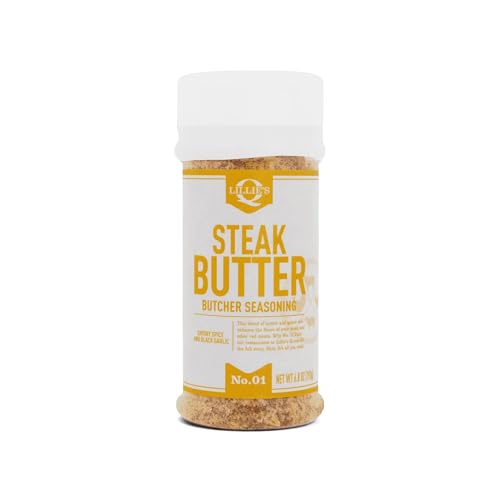
A MEAT LOVER’S DREAM: A unique blend of butter, garlic salt, and black pepper, this rich seasoning acts as a butter spread, eliminating the need for a compound butter spread.
Determining Proper Doneness Levels
Since elk’s lean muscle structure demands precise temperature control to preserve tenderness and juiciness, you’ll rely on both thermometer verification and carryover cooking calculations rather than visual inspection alone.
Insert your meat thermometer into the thickest portion of the steak, targeting 130°F for optimal medium-rare doneness. Account for carryover cooking effects by removing your steaks at 125°F, allowing the residual heat to raise the internal temperature those final five degrees during resting. Using an instant-read thermometer ensures precision in measuring these critical temperature points.
For rare preference, pull at 120°F. Watch for visual doneness indicators—a mahogany-colored crust signals proper searing while maintaining that pink, moist interior. The beautiful caramelization develops through high-heat searing for 2-3 minutes per side, which triggers the Maillard reaction to create complex flavors. Salt enhances flavor and promotes crisping when applied before your steaks hit the grill, creating that coveted flavorful exterior. A digital meat thermometer helps you avoid overcooking and maintain the precise temperatures elk demands for optimal tenderness.
Never exceed 135°F, where elk meat begins toughening. This precision approach guarantees you’ll experience elk’s natural flavor profile while maximizing tenderness.
The Critical Resting Period
Once you’ve pulled your elk steaks from the heat at 125°F, you’re not finished—you’re entering the resting phase where the real magic happens. During these five minutes, your meat’s exterior cools slightly, redirecting moisture inward while juices redistribute evenly throughout the cut.
Don’t skip this critical step. Slicing immediately causes precious juices to escape, leaving you with dry, disappointing results. Instead, wrap your steaks in a kitchen towel and place them in a warm environment—an empty ice chest works perfectly for proper temperature monitoring. For elk steaks of average thickness, rest for 5 minutes to allow the external sides to cool while the center retains heat.
This resting period allows carryover cooking to continue gently, enhancing tenderness in lean elk meat while preserving that ideal medium-rare texture. The ideal resting location maintains warmth without continued direct heat, ensuring your steaks emerge juicy and flavorful. A pinch of rosemary can be added before resting to enhance the meat’s natural flavors during this crucial phase.
Serving and Slicing Your Perfectly Cooked Steak
Your elk steaks’ success ultimately depends on how you slice and serve them, so grab a sharp knife and work quickly to preserve that hard-earned warmth and moisture. Slice against the grain in thin, quarter-inch cuts to maximize tenderness and showcase the meat’s intense flavor profile.
Target a serving temperature of 120-130°F for ideal medium-rare presentation. Arrange your slices in a fanned pattern on preheated plates—this plate presentation technique retains heat while highlighting the steak as your centerpiece. Drizzle pan juices across the meat to enhance moisture and depth. Remember to test with a thermometer to avoid overcooking, as top-tier cuts require gentle cooking to preserve their quality.
Portion six to eight ounces per person, accompanying with roasted root vegetables, wild rice, or sautéed mushrooms. Garnish with fresh rosemary or thyme. Since elk meat is very lean red meat, avoid reheating which compromises the delicate texture and eliminates the carefully achieved doneness. Serve immediately for the best dining experience.