

You’ll achieve perfectly flaky halibut by thawing it in the refrigerator for 8+ hours, then preheating your grill to 375-450°F with lightly greased grates. Season your fillets with a simple SPG rub or lemon-garlic mixture, then place them directly on the grates. Cook the first side for 5-6 minutes without moving, flip once, and finish for 4-5 minutes until the flesh turns opaque. The specifics of timing and temperature control reveal why so many home cooks miss this mark.
Thawing Preparation
Properly thawing halibut is essential before grilling, as you’ll want to retain its delicate moisture and texture while preventing bacterial growth. Choose your defrosting method based on available time.
For overnight refrigerator thawing, place halibut on a towel-lined plate and allow 8+ hours for thick portions. This method preserves ideal quality. Alternatively, use cold water submersion with a soak duration of 2-3 hours, replacing water periodically to maintain cold temperatures. For quick thawing, seal halibut in a bag and run under cold tap water for 30 minutes.
Never thaw at room temperature or use hot water, as these methods compromise texture and promote bacterial growth. The safest way to thaw is by maintaining halibut at 32°F-34°F throughout the entire defrosting process to ensure food safety. Slow, controlled defrosting allows seafood to maintain its natural texture and flavor. After defrosting times complete, pat halibut dry with paper towels and cook immediately for peak freshness and flaky tenderness. Before cooking, you can bring to room temperature for more even grilling results. If you have leftover grilled halibut, you can preserve it by cooling completely before wrapping tightly and freezing for future meals. Once ready to cook, you can use a meat thermometer to ensure your halibut reaches the proper internal temperature without overcooking. After grilling, allow the fish to rest briefly so the juices can redistribute throughout the fillet. If you’re using a portable grill for outdoor cooking, ensure you have enough fuel by choosing 1 lb disposable cylinders for short grilling sessions or a 20 lb tank with an adapter for extended cook times.
Grill Setup
Once you’ve thawed your halibut and patted it dry, you’re ready to prepare your grill for cooking. Preheat your grill to medium-high heat, aiming for 375 to 450 degrees Fahrenheit. If you’re using a gas grill, target approximately 400 degrees Fahrenheit for consistent results. Regardless of your fuel type, maintain steady temperature rather than fluctuating between high and low heat.
While preheating, clean your grates thoroughly and lightly grease them with a paper towel dipped in high smoke-point vegetable oil. This prevents sticking and promotes proper searing. Position your halibut fillets directly on the grates, not on foil or other surfaces. Directly on the grates allows for better heat contact and superior grill marks. Halibut fillets are less likely to overcook compared to steaks, making them ideal for direct grate placement.
Close your grill’s lid before placing the fish on the grates. This setup creates conducive conditions for even cooking, moisture retention, and perfect grill mark formation. For precise temperature monitoring throughout the cooking process, consider using an internal temperature probe to ensure your halibut reaches the ideal doneness without guesswork. A wireless grill thermometer with dual probes allows you to monitor both the fish’s internal temperature and grill surface heat simultaneously without lifting the lid. To protect your deck surface from grease splatters and heat damage, place a grill mat underneath your grill that extends beyond its footprint. If you’re grilling in a location where portability matters, such as camping or tailgating, choose a portable gas grill with reliable ignition and adequate cooking surface for handling delicate fish. For compact outdoor cooking situations, the Weber Q1200 offers a 189 square inch cooking area with electric ignition and a built-in lid thermometer. Heat adjustment during cooking remains unnecessary with this consistent-temperature approach.
Seasoning Methods
With your grill preheated and grates prepared, you’ll want to choose a seasoning method that complements halibut’s delicate, mild flavor profile. Season after thawing and patting fillets dry to secure proper adhesion and coating thickness. Apply a light oil layer first—either melted butter or extra virgin olive oil—which infuses moisture during cooking and helps seasonings adhere evenly.
Consider your seasoning timing carefully. For minimal intervention, use the SPG rub: kosher salt, granulated garlic, and coarse black pepper applied generously over oiled fillets. Alternatively, create a lemon-garlic mixture combining olive oil, minced garlic, lemon zest, smoked paprika, and cumin. For best results, try Omaha Steaks Signature Seafood Seasoning which is specifically formulated to enhance the natural flavors of premium halibut. Use a pastry brush to coat fillets uniformly, ensuring consistent seasoning distribution across the surface without oversaturating delicate flesh. A brief marinade with garlic and lemon juice can enhance the taste without breaking down the delicate texture of the fish. Simple lemon and butter combinations work exceptionally well to complement the fish’s natural sweetness without overpowering its mild taste. Remember to pat the fish dry with paper towels before applying any seasonings to ensure they adhere properly to the surface. Popular additions include fresh herbs like dill, parsley, or thyme that pair wonderfully with the mild flavor of halibut. When preparing your grill grates, brush them with refined avocado oil or canola oil, as their high smoke points prevent burning at typical grilling temperatures.

No hydrogenated fats or high fructose corn syrup allowed in any food


Experience the deliciously tangy burst of lemon and the zesty bite of cracked pepper in a premium seasoning blend. Kinder's Cracked Pepper & Lemon Seasoning Mix elevates even the most casual home cooking to a flavor you’ll crave.
Grilling Technique
Your seasoning’s now locked in place, so it’s time to execute the actual grilling. Place your fillets directly on preheated grates positioned over medium-high heat, pressing gently to guarantee full contact. Close the lid immediately to maintain consistent temperature.
Apply direct heat application for 5-6 minutes on the first side without moving the fillets. This creates proper searing while the medium-firm flesh holds together. Flip once, then cook the second side for 4-5 minutes until the flesh turns opaque throughout. To prevent charring, turn the fish often while it cooks and keep the grill from getting too hot.
Monitor your halibut closely for ideal internal temperature—the flesh should flake easily when tested with a fork. Use a thermometer to target doneness and ensure you’ve reached the proper temperature for safe consumption. Insert the thermometer in the thickest part of the fillet to get an accurate reading. Remove fillets promptly from heat to preserve their flaky tenderness. After removing from the grill, allow the halibut to rest for 5-10 minutes to let the juices redistribute throughout the fish. Just as with steak, internal temperature is the most reliable indicator for doneness rather than relying solely on cooking time. For even more control over the cooking process, consider using a two-zone fire setup where you can move the fish to indirect heat if it needs more time without risking the exterior burning. Avoid overcrowding the grill to prevent steaming, which compromises texture and results. Since halibut is a relatively dense fish, it holds together exceptionally well during the grilling process and resists falling apart.
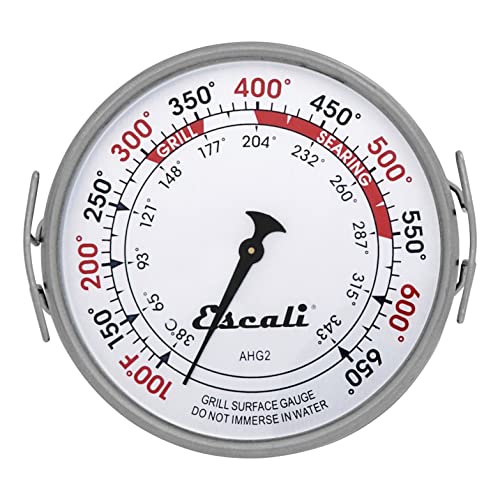
Temperature Range: 100° to 650°F / 38° to 343°C. Dial Diameter: 3.5 inches

BBQ / Grill pit thermometer, safe and environmentally friendly.

Fast & Accurate: Get precise readings in just 1 second with ±0.9°F accuracy. NSF Certified for trusted food safety, this digital food thermometer features a 4.3 inches food-grade stainless steel meat probe, perfect for grilling, frying, baking, making candy and more
Doneness Indicators
How do you know when your halibut’s reached its pinnacle? You’ll rely on three key indicators: internal temperature ranges, visual texture cues, and tactile assessment.
Use an instant-read thermometer as your primary tool, inserting the thin probe into the thickest part of the fillet. Target 125-130°F, accounting for carryover cooking that’ll raise the temperature another 5°F after removal. Many chefs prefer this 130-135°F range for the best balance of moisture and tenderness in grilled halibut. Avoid cooking halibut higher than 135°F as it can become dry and tough. Just as with grilling steaks, pulling your fish slightly under the target doneness allows carryover heat to finish the cooking process perfectly. After removing from the grill, letting the fish rest for a few minutes allows the juices to redistribute throughout the fillet.
Visually, watch for the flesh’s transformation from translucent and glossy to entirely opaque white. This color shift signals proper protein coagulation. To ensure your fish doesn’t stick during this visual transformation, wipe the grill grates with a paper towel dipped in vegetable oil before cooking. Before placing the halibut on the grill, pat it dry with paper towels to promote better searing and prevent sticking.
Finally, perform the fork test. Gently twist your fork into the flesh—it should flake into large, moist pieces with slight firmness, similar to pressing a soft marshmallow. The internal temperature should reach 140-145°F when measured at the thickest part for fully cooked halibut that remains tender and flaky. This texture confirms ideal doneness without dryness or mushiness.