

To season your flat top grill professionally, you’ll first scrape and clean the surface thoroughly using vinegar and scouring pads. Next, preheat all burners to medium-high heat for 15 minutes until the steel darkens. Apply thin layers of high smoke-point oil like avocado or canola using paper towels, repeating two to three times. Heat on low until smoke dissipates, indicating polymerization’s complete. Cool fully before cooking. Establishing consistent post-use maintenance routines will preserve that professional-grade patina for years.
Initial Cleaning
Before you can properly season your flat top grill, you’ll need to thoroughly clean the cooking surface to remove rust, oxidation, and debris. Begin by scraping accumulated particles with griddle scrapers or specialized razor tools, following the grain of the metal to prevent surface damage. For rust elimination, apply a 45% vinegar solution undiluted and let it soak for one hour, eliminating oxidation without excessive scrubbing. Use green scouring pads with water for additional rust removal, or employ 220-grit sandpaper if necessary. After oxidation removal, wipe all residue completely with clean, dry towels. Rinse the surface with room temperature water using squeegee tools to guarantee complete moisture removal. Multiple passes with fresh towels make certain no residual water persists before seasoning begins, as high smoke point oil requires a completely dry surface to bond properly with the metal. The griddle should be cleaned with soap and water and thoroughly dried before the seasoning process commences. You can also make a baking soda and vinegar paste to apply on stubborn spots for additional cleaning power. Never remove the grease keg until the flat top grill has completely cooled to ensure safety during the cleaning process. Heating the griddle on medium-high for 20 minutes can help loosen stubborn rust before scraping. To prevent future rust accumulation, establish a regular cleaning and oiling routine after each use. Stainless steel griddle surfaces do not require the same intensive preparation as cast-iron, though thorough post-use cleanup ensures your grill is in optimal condition for the seasoning process.

Extend The Life Of Your Griddle: By using AWEASROY's griddle cleaning kit before and after cooking, it prevents your griddle from flaking and getting damaged. Top this with proper re-seasoning for a long lasting use

【19-in-1 Griddle Cleaning Kit for Blackstone】Mavipromax griddle cleaning kit is a great griddle accessory for flat top maintenance. Includs 1 grill scraper, 4 griddle rust remover stones, 12 scouring pads, 2 ergonomic handles. It’s an ideal cleaning buddy for anyone interested in grilling, capable of covering all griddle restoration and daily deep cleaning needs

【Perfect 35pcs BBQ Accessories】This griddle accessories kit includes: 1* long griddle spatula, 1* long slotted spatula, 1* large burger turner, 1* slant edge scraper, 1* small spatula, 1* griddle flipper, 1* slotted turner, 1* griddle press, 1* grill tongs, 1* sauce brush, 1* chopper, 2* spice shakers, 2* squeeze bottles, 4* egg rings, 1* cleaning brush, 10* hooks, 1* meat knife, 2* basting cover, 1* storage bag, 1* gift box.
The Preheat Process
Once your flat top grill‘s surface is completely dry, you’ll begin the preheating process, which is critical for establishing a proper seasoning foundation. Start on low heat initially to prevent warping the steel surface. Progress to medium-high heat for approximately 15 minutes, allowing the cooking surface to reach 350 degrees Fahrenheit. This preheating duration confirms moisture cooks off entirely.
For optimal temperature management, activate all burners on high for 10-15 minutes until the surface visibly darkens and discolors. You’ll notice the indicator light cycling on and off as the heating element maintains target temperature. Listen for a distinct sizzle when testing readiness. Preheat adjacent zones uniformly for consistent heat distribution across the entire surface, including edges. A professional griddle degreaser can help remove any manufacturing residues before seasoning begins. For surfaces with stubborn buildup, consider using natural cleaning materials like aluminum foil to gently remove residue without damaging the cooking surface. For long-term protection, apply high heat spray paint designed for metal surfaces to prevent corrosion after your grill has cooled completely. Always remember to preheat the cooktop with the lid open for at least 5 minutes before cooking to ensure proper seasoning development. After seasoning is complete, protect your grill investment with a heat-resistant grill mat or heavy-duty cover designed to shield the cooking surface during storage and harsh weather conditions. Regular seasoning protects against rusting and staining over time as you maintain your grill with this established foundation. This methodical approach guarantees superior seasoning results.
Oil Application Techniques
With your flat top grill preheated and ready, you’ll now apply oil to establish the seasoning layers that’ll create a durable nonstick surface. Start by dispensing two tablespoons of your chosen oil—flaxseed provides ideal bonding—in a zigzag application direction across the griddle’s center. Using tongs holding folded paper towels, spread the oil evenly across the entire cooking surface, ensuring complete oil coverage of edges and corners. Maintain a thin, uniform layer that prevents pooling. Wipe away excess with a clean towel side to achieve the proper thickness. This controlled application technique builds multiple thin layers more effectively than heavy single coatings, establishing superior seasoning development and consistent nonstick properties throughout your griddle’s cooking surface. For best results, consider using oils with high smoke points such as refined avocado, peanut, or canola oil, which polymerize into a durable seasoning layer without burning. The even heat distribution capabilities of quality griddles like premium stainless steel models ensure your seasoning layers cure uniformly across the entire surface. Electric flat top grills offer indoor convenience while still providing reliable heat distribution for seasoning applications. Top-rated griddles like the Solo Stove Steelfire deliver the consistent heat needed for uniform seasoning across larger cooking areas. When selecting your griddle, models with larger cooking surfaces like the Solo Stove Steelfire provide more area for consistent seasoning application. Repeat this oil application process two or three times to achieve optimal seasoning results. After completing your seasoning layers, allow the protective coating to fully cure before your first cooking use to ensure maximum durability and nonstick performance.

Graza Frizzle Oil Made from 100% Olives: A neutral-flavored, high heat cooking oil made from 100% peak harvest olives. With a smoke point of up to 450 degrees, Frizzle is your high-heat kitchen hero. 1 bottle/750ml.

Light Buttery Flavor That Elevates Every Meal: Algae Cooking Club Chef-Grade Algae Oil enhances every dish with subtle richness. Its neutral profile makes it ideal for searing, baking, and dressings, transforming everyday meals into gourmet experiences.

Light Buttery Flavor That Elevates Every Meal: Algae Cooking Club Chef-Grade Algae Oil enhances every dish with subtle richness. Its neutral profile makes it ideal for searing, baking, and dressings, transforming everyday meals into gourmet experiences.
Heating and Polymerization
Now that you’ve applied your thin oil layer, you’ll initiate the polymerization process—the chemical transformation that converts raw oil into a durable, bonded polymer coating. Heat your griddle on low for three to five minutes before reaching the smoke point. You’ll notice smoke concentration intensifying—this visible indicator confirms free radicals are releasing and crosslinking within the oil film.
Maintain low heat throughout this phase. The smoke concentration peaks as polymerization actively occurs, building surface hardness through molecular restructuring. Once smoke dissipates completely, polymerization has finished, and you can turn off the griddle. Using drying oils like flaxseed will maximize the polymerization effect for optimal seasoning results. This process protects your griddle from rust by creating a water-repellent barrier on the steel surface.
This heating cycle creates a tough polymer layer that bonds directly to the steel. The blackening you observe reflects the chemical transformation establishing superior non-stick properties without synthetic coatings. Cool completely before applying subsequent layers.
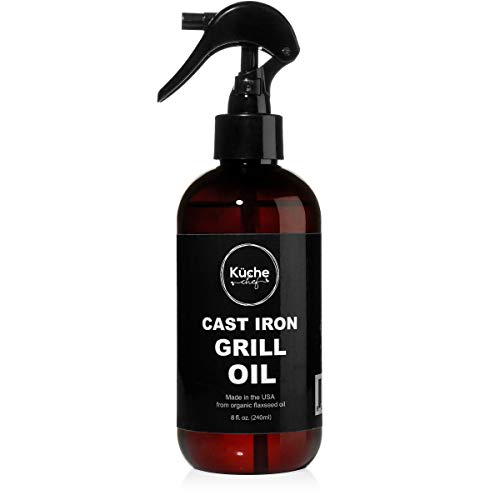
USDA ORGANIC FLAXSEED OIL, GROWN AND PRESSED IN THE USA: The flax is grown and pressed in North Dakota, then bottled for grill care rather than for cooking.

Important information about the spray applicator: The optional spray top (the product may be applied without spraying) has an off/on button on the neck of the trigger sprayer, some do not realize this and think the sprayer doesn't work. It works well but you need to make sure the button is in position that allows it to spray and you pump vigorously a few times at first to initialize the sprayer.
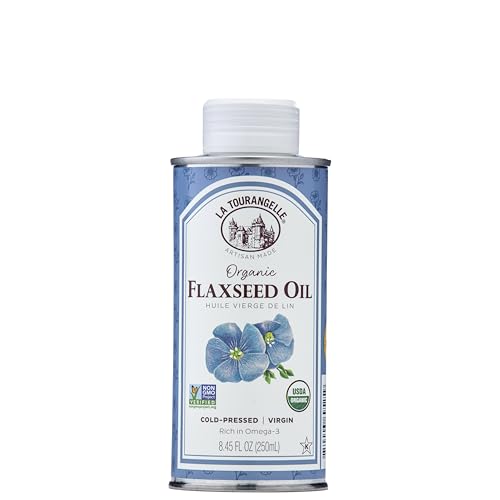
Organic Flaxseed Oil: This oil provides over 7 grams of plant based Omega-3, making it the ideal ingredient to add to your smoothies, oatmeal, or salad dressings.
Repeat Cycles and Cooling
Your griddle’s initial polymer layer has formed, but you’ll need to build additional coatings to achieve superior durability and non-stick performance. Repeat the oiling and heating sequence three to four more times, maintaining high heat throughout. Each cycle requires you to preheat the griddle, apply a thin oil layer using a paper towel, then heat until smoking ceases—approximately 10-15 minutes per repetition.
Focus on even layer buildup by covering all surfaces, edges, and corners with consistent thin coats. Wipe away excess oil meticulously to prevent pooling and tacky residue. To maintain your griddle between seasoning cycles, use flat top grill scrapers to remove food debris and buildup during cooking. Like cast iron cookware, regular seasoning keeps the griddle in good condition and prevents rust and corrosion from developing on the cooking surface. Consistent routine light cleaning after each use will help preserve the seasoning and maintain optimal performance. Quality heat-rated tools like stainless steel scrapers and brushes are essential for effective maintenance without damaging your griddle’s surface. This seasoning process is a necessary maintenance step that should be performed consistently throughout the griddle’s lifetime. Proper grease buildup removal during maintenance cycles ensures optimal performance and extends the life of your cooking surface.
After completing your final cycle, initiate the seasoning cooldown by allowing 30 minutes for complete polymerization. This crucial resting period guarantees your protective coating properly sets, establishing the foundation for long-lasting non-stick performance.
Maintaining Your Seasoned Surface
Once you’ve built up your seasoning layers, maintaining that protective coating requires a disciplined daily cleaning routine. You’ll remove food particles while the griddle’s warm, using metal spatulas or chain mail scrubbers for stubborn debris. Hot water with mild dish soap cleans effectively without compromising your seasoned finish—abrasive detergents will damage it.
Thorough drying prevents moisture-related complications that undermine long-term preservation. Regular griddle use naturally strengthens existing seasoning layers, so consistent cooking reinforces your investment. Perform a simple water test by sprinkling a few drops of water onto the surface to verify your seasoning remains effective. After cleaning, apply a thin coat of oil to maintain the protective layer and prevent oxidation, using high-temperature cooking oils like vegetable or canola oil for optimal results. For enhanced non-stick performance and easier maintenance, consider using grill cooking sprays designed for high-heat applications, which can supplement your oil maintenance routine.
Monitor your surface closely for rust spots or flaking, which signal re-seasoning needs. For stubborn grime buildup that resists standard cleaning methods, specialized grill cleaners can help restore your griddle’s surface without damaging the seasoning. When selecting a cleaner, test it on an inconspicuous spot first to ensure compatibility with your seasoning. For particularly tough residue, heat-resistant cleaning tools with replaceable sponge heads offer effective debris removal without the risk of metal bristles damaging your seasoned surface. Surface discoloration often indicates oxidation rather than deterioration, but inspect carefully. Avoid scourers and dishwashers entirely. This systematic maintenance approach prevents extensive restoration work and keeps your griddle performing ideally for years.