

You’re buying a Traeger grill manufactured in China, not the USA. After the 2006 acquisition, the company shifted production overseas to reduce costs. Popular models like the Timberline 850 and Ironwood 650 are Chinese-made, though they feature premium WiFi connectivity and construction. Traeger maintains domestic pellet production across seven U.S. facilities generating 193,000 tons annually. The company’s Salt Lake City headquarters serves as the innovation hub. Understanding their complete supply chain reveals why this heritage brand made these strategic operational decisions.
Current Manufacturing Locations and Facilities
Although Traeger’s headquarters remain in Salt Lake City, Utah, the company’s manufacturing footprint has evolved considerably since its acquisition post-2006. You’ll find that Traeger no longer manufactures grills domestically; instead, they’ve shifted production to China, where models like the Pro 575, Ironwood 650, and Timberline 850 are now made. This strategic move supports their expansive international sales channels and robust e-commerce platform, enabling the company to manage over 2 million units sold and $400 million in retail sales by 2018.
However, Traeger maintains domestic operations through its pellet manufacturing facility in Rural Retreat, Virginia, which sources exclusively from Virginia hardwoods. This operation represents their commitment to domestic component production while leveraging global manufacturing efficiency for finished products. Like other grill manufacturers, Traeger uses multination production to balance quality standards with cost efficiency across different market regions. The new Wythe County facility will produce flavored grill pellets for different types of cooking through a partnership with Musser Lumber Co. Inc. Traeger’s pellet production allows users to experience enhanced smoky flavors from various wood types, elevating the cooking experience across their product line. Similar to how Blackstone grills emphasize large flat-top cooking surfaces, Traeger continues to innovate its product design to meet diverse outdoor cooking preferences. While competitors like Z Grills offer competitive pricing at lower price points, Traeger maintains its premium positioning through manufacturing scale and brand recognition. The company’s current expansion in Salt Lake City will create up to 120 new high-paying jobs over the next seven years as Traeger continues to strengthen its presence in its home state.

SIGNATURE BLEND WOOD FIRED FLAVOR: The flavors of hickory, maple, and cherry hardwoods combine for in our Traeger Signature Blend Hardwood Pellets for flavor that can take on just about anything you cook; From classic BBQ meats, to fish and veggies, this versatile blend gives you full-bodied flavor you'll go back to time and time again

Keeps Pellets Dry and Fresh for Optimal Performance – The Traeger Stay Dry Pellet Bin is designed to keep your wood pellets dry and fresh for consistent grilling performance.

HICKORY WOOD FIRED FLAVOR: Traeger Hickory Hardwood Pellets are great for naturally enhancing beef, chicken, pork, and veggies with full-bodied, bold flavor. So it should come as no surprise that Hickory’s assertive flavor is one of the most popular choices for classic BBQ cooking.
The 2006 Acquisition and Its Impact on Production
When the Traeger family sold their company to a private investor group in 2006 for $12.4 million, the decision fundamentally restructured the company’s manufacturing operations. You’ll notice that production shifted from USA-based facilities to China, a move driven by cost-reduction strategies under new ownership. This shift toward overseas manufacturing mirrored industry trends seen with other outdoor cooking brands that prioritized global production efficiency. This switch coincided with patent expiration in 2007, eliminating Traeger’s competitive moat and intensifying market pressures. Post 2006 quality changes became notable as larger corporations optimized manufacturing processes for efficiency over craftsmanship, similar to how culinary equipment producers balance speed with quality in their production methods through low-temperature slow cooking techniques. Like competitors offering gas grill and griddle combos, Traeger faced pressure to diversify product offerings while maintaining competitive pricing. The company’s expansion included premium models like the Traeger Searwood that competed with higher-end brands on smoke production and performance, distinguishing themselves from other premium offerings like the Weber Genesis SX-335 through their wood-fired cooking approach. Meanwhile, founder family legal disputes emerged in 2019 when Traeger Grills sued over trademark misuse involving Joseph and Brian Traeger’s involvement with competitors. These lawsuits underscored tensions between the original innovators and corporate stakeholders, settling eventually but highlighting the company’s transformation from family enterprise to investor-backed corporation. Under new leadership, the company continued to innovate with products like the Timberline grill that featured advanced outdoor cooking technology. The company’s subsequent expansion through big-box retailers and e-commerce channels during the 2010s enabled rapid growth despite these manufacturing and ownership changes.
Popular Models and Where They’re Built
Today’s Traeger lineup reflects the company’s post-2006 manufacturing restructuring, with most popular models now produced in China rather than the USA. You’ll find that flagship models like the Timberline 850, Ironwood 650, Pro 575, and Tailgater all originate from overseas facilities. These Chinese-manufactured grills showcase advanced product design capabilities, featuring WiFi connectivity and premium construction that appeal to tech-savvy consumers. The shift facilitated international brand expansion, enabling Traeger to scale production and reach broader markets cost-effectively. Despite manufacturing relocation, these models maintain the company’s performance standards. Traeger continues to build innovative cooking products that reflect decades of mastery in wood-fired cooking craft. To get the most from these grills, users should follow proper startup procedures with temperature settings to ensure optimal performance and implement regular maintenance schedules to prevent grease fires and maintain consistent cooking quality. For those integrating a Traeger into a comprehensive outdoor kitchen, consider how stainless-steel construction and durability align with your broader patio design, similar to how natural stone elements enhance functionality and aesthetic appeal in built-in outdoor cooking spaces. Meanwhile, Traeger’s Virginia wood pellet facility demonstrates commitment to domestic sourcing for raw materials, processing several million pounds monthly from state sawmills. Production was moved to China in 2010 to reduce costs after the company’s patent on pellet grill design expired.


PECAN WOOD FIRED FLAVOR: Traeger Pecan Hardwood Pellets offer an ultra-versatile, slightly nutty flavor that works with any meat, not to mention veggies, fish, and even baked goods.

APPLE WOOD FIRED FLAVOR: With Traeger Apple Hardwood Pellets, naturally enhance baked goods, chicken, and pork with a subtly sweet, fruity flavor.
Why Traeger Moved Production Overseas
Several factors drove Traeger’s 2006 decision to shift manufacturing abroad, with the expiration of the company’s exclusive patent on pellet grill design serving as the primary catalyst. Following the company’s $12.4 million sale, you’d find that competitive pressures intensified as rivals launched cheaper alternatives. To maintain market position amid aggressive competition, Traeger needed to reduce manufacturing costs substantially. The company’s rapid scaling—eventually selling over 2 million grills generating $400 million in retail sales by 2018—required operational efficiency overseas couldn’t match domestically. While production transparency suffered post-relocation, with the company omitting country-of-origin disclosures, quality concerns emerged among consumers. However, you’ll note Traeger maintained USA-sourced pellet production, differentiating itself from competitors despite offshore grill manufacturing in China and Vietnam. Traeger grills undergo vigorous testing process by the engineering team to ensure consistent quality standards. Like other pellet grills, Traeger models rely on digital temperature controls to regulate the cooking process and maintain consistent heat output, with many competitors also offering WiFi connectivity features for remote monitoring capabilities. Proper internal temperature monitoring with a reliable meat thermometer helps ensure optimal results regardless of manufacturing location. The lack of transparency regarding manufacturing locations has become a concerning practice for companies that previously maintained domestic production standards. To keep your Traeger grill performing optimally over time, implement regular grill maintenance as part of your ownership routine. Proper maintenance and regular care can help extend the lifespan of Traeger grills despite manufacturing location changes.

Replaces 3 speed smoker control, compatible with Traeger wood pellet grill models (except PTG)
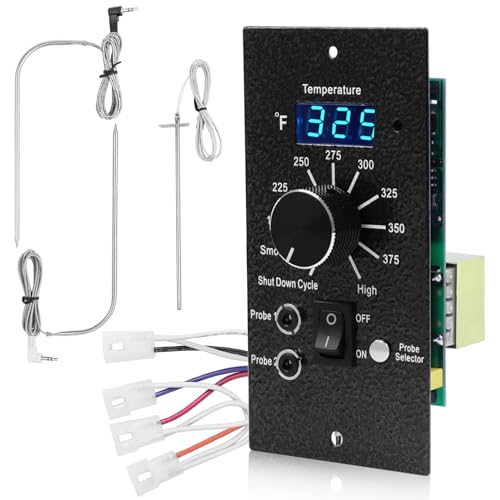
【COMPATIBILITY】: This Traeger Digital Controller kit replacement part compatible with most Traeger Wood Pellet Grills (except PTG), ideal replacement for Traeger Controller BAC365.

【Compatiable】: Our Traeger control panel fits most Traeger wood pellet grill models (except PTG), ideal Traeger Pro controller for Traeger parts replacement BAC236.
Domestic Pellet Production Operations
While Traeger shifted grill manufacturing overseas, the company doubled down on domestic pellet production—a strategic differentiation that sets it apart from competitors. You’re looking at seven U.S. facilities generating 193,000 tons annually, with maximum capacity reaching 248,000 tons. Oregon leads production at 57,000 tons yearly, while Virginia and New York each contribute 54,000 tons.
Traeger’s hardwood sourcing partnerships with entities like Musser Lumber Co. guarantee exclusive access to clean, green materials. Virginia operations purchase several million pounds monthly from state sawmills and forest owners. Their sawdust utilization strategies maximize efficiency—rotating drum and furnace drying equipment processes residuals to ideal moisture content before hammer milling. Each batch undergoes daily quality control and burn testing to ensure consistency and perfect smoke before bagging and distribution. Daily quality control and burn testing verify consistency across every batch before bagging and distribution. The facilities are geographically dispersed across multiple states to efficiently serve regional market demands and reduce distribution costs. Different wood pellet blends, including popular hardwood pellet flavors like hickory and apple, are produced to meet diverse consumer preferences. Premium competitors emphasize the importance of 100% hardwoods without additives to deliver the clean burns and bold flavors that serious barbecue enthusiasts demand. Traeger’s commitment to 100% natural hardwoods aligns with industry standards that reject fillers and ensure superior smoking performance. Like premium wood chip suppliers, Traeger sources from trusted hardwood partners to maintain the quality standards expected by serious barbecue enthusiasts. Each wood type imparts distinct flavors] such as hickory’s savory bacon-like smoke ideal for pork and beef or apple’s sweet fruity notes on poultry.

100% all-natural premium hardwood food grade pellets

KINGSFORD CRAFTSMOKE PREMIUM WOOD PELLETS: Introducing Craftsmoke, the premium line of natural hardwood pellets, crafted in small batches for the chef in all of us; pack may vary

100 Percent Hickory Hardwood: Plain hickory and nothing else, so the smoke tastes like the classic BBQ wood you actually asked for instead of a blend built around lower-grade oak filler wood
State-by-State Pellet Manufacturing Breakdown
Traeger’s seven pellet production facilities span five states, each engineered to optimize regional pellet sourcing advantages and supply chain efficiency. Oregon leads production with 57k tons yearly across multiple plants, while New York’s converted facility reaches 54k tons capacity. Virginia’s Wythe County operation sources hardwood exclusively from local forests through partnership with Musser Lumber, generating regional sawmill demand. Michigan leverages Southwest Michigan’s manufacturing expertise at its Kalamazoo location. Combined, these facilities produce 193k tons annually with maximum capacity of 248k tons. When demand exceeds internal production, you’ll find Traeger employs custom manufacturing arrangements with select contract manufacturers, ensuring consistent pellet supply across their expanding grill market presence. The Virginia facility represents a nearly $3 million investment to establish this new grill pellet manufacturing operation in the region. Like offset smokers that rely on seasoned hardwoods for optimal burning characteristics, Traeger’s facilities prioritize quality hardwood sourcing to ensure clean, consistent burns in their pellet grills. The company carefully selects hardwoods and fruitwoods based on regional availability to maintain the flavor consistency that pellet grill users expect. Similar to how kiln-dried chunks prevent unpleasant residues and ensure consistent smoke in traditional smoking, Traeger’s emphasis on processed hardwood pellets guarantees reliable performance. Premium charcoal products like Jealous Devil and B&B demonstrate how top-tier hardwood selection directly impacts burn duration and ash production in smoking applications. Traeger’s wood pellet selection process mirrors the best practices used in traditional smoking, where slow-burning hardwoods like hickory and oak are chosen for their distinct flavor profiles and superior combustion properties.
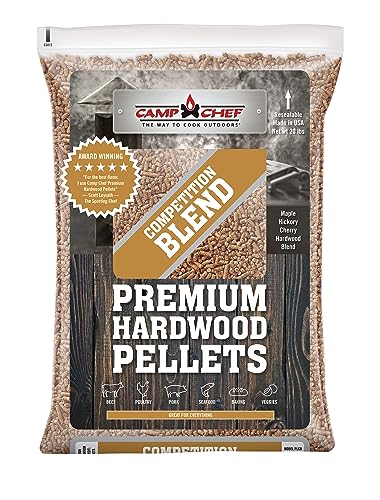
Maple, Hickory, and Cherry Blend: Competition blend is the Jack of All Trades. It's great with poultry, pork, baking, veggies, beef, and seafood. HARDWOODS: Camp Chef Hardwood bbq pellets are not a byproduct. They are 100% pure virgin hardwoods.
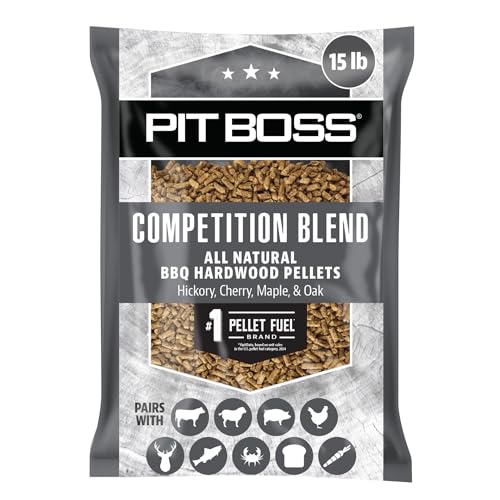
Pit Boss pellets are the #1 pellet fuel brand* Americans trust

THE #1 PELLET FUEL BRAND: Trusted by backyard grillers and pitmasters alike, Pit Boss Hardwood BBQ Pellets deliver premium quality, reliable performance, and authentic wood-fired flavor for every cook
The Salt Lake City Headquarters and Operations Center
Located at 533 South 400 West in Salt Lake City, Utah, Traeger’s corporate headquarters functions as both administrative center and innovation hub for the company’s operations. You’ll find the facility strategically positioned in the Granary District Opportunity Zone, where adaptive reuse renovation transformed existing structures into a 23,512-square-foot workspace. The headquarters houses R&D labs, user observation facilities, and test kitchens alongside marketing and events teams. Like other premium outdoor cooking brands, Traeger prioritizes commercial-grade stainless steel construction in its product development process. Traeger’s $24 million capital investment demonstrates commitment to sustainability initiatives and local community partnerships within downtown Salt Lake City. The facility operates Monday through Friday, 6:00 AM to 10:00 PM MST, supporting the company’s expansion that’ll generate up to 120 high-paying jobs over seven years. This headquarters exemplifies how historic preservation aligns with modern innovation objectives, much like other outdoor cooking brands that prioritize innovative grill accessories and product development in their facilities. Top-performing grills like the Solo Stove Steelfire showcase the importance of exceptional even heating across cooking surfaces in the outdoor grill market. The test kitchens allow Traeger to develop and refine high-quality meat thermometers and other essential tools that enhance the grilling experience, ensuring one-second temperature readings and precision comparable to top industry standards. The GOED Board approved a post-performance tax credit not to exceed $882,430 to support this strategic expansion. As a company with 1,001 – 5,000 employees, Traeger continues to expand its workforce from this centralized location.
Recent Virginia Facility Expansion Plans
Expanding its manufacturing footprint beyond Utah, Traeger’s strategic investment in Virginia represents a critical move to secure premium hardwood pellet sourcing and production capability. Governor Ralph Northam announced the nearly $3 million investment in April 2021, establishing a partnership with Musser Lumber Co. Inc. in Wythe County.
The facility plans to hire 15 employees manufacturing flavored grill pellets at full operation. You’ll find the state-of-the-art hardwood pellet mill sourcing exclusively Virginia hardwood residuals, purchasing several million pounds monthly from local sawmills. This investment aligns with Dover Food Retail’s broader expansion strategy across the Commonwealth, which includes over $20 million dedicated to advancing manufacturing capabilities in Virginia. The partnership with Musser Lumber allows Traeger to access customized blends of dried residual products from different hardwood species, strengthening the supply chain. Like other premium grill manufacturers, Traeger emphasizes smoke flavor authenticity as a key differentiator in the competitive grilling market. Traeger’s focus on temperature control consistency ensures their pellet grills deliver reliable smoking results across different models and price points. Models like the Camp Chef Woodwind Pro and Rec Tec Flagship 1100 demonstrate how precision temperature stability has become essential in pellet smoker design.
This expansion demonstrates Traeger’s commitment to sustainability initiatives while supporting workforce development in Virginia’s forest products sector. The $75,000 grant from the Governor’s Agriculture and Forestry Industries Development Fund, matched by Wythe County, reinforces the project’s regional economic significance. When compared to other outdoor griddles and flat top grills, Traeger’s pellet-based approach offers a distinct smoking capability that sets it apart from gas-powered alternatives.
Supply Chain and Distribution Network Strategy
With Virginia’s pellet production now operational, the company’s broader supply chain architecture reflects a deliberately engineered network spanning five states and seven facilities. You’ll find that Traeger’s ingredient sourcing strategy prioritizes vertical integration, securing Virginia hardwood products exclusively for manufacturing operations. The company partners strategically with suppliers like Musser Lumber Co. Inc., purchasing several million pounds of hardwood products monthly at full capacity.
This distributed production model optimizes logistics efficiency while reducing transportation costs. You benefit from facilities positioned across Oregon, Virginia, New York, and additional states, enabling rapid fulfillment. The 193,000-ton average yearly capacity supports current demand, though Traeger’s global growth ambitions signal future expansion considerations. To complement your grill’s performance capabilities, consider investing in smoke tubes for enhanced smoke flavor and control during cooking sessions. Like other premium pellet smoker manufacturers, Traeger emphasizes WiFi-enabled controllers for precise temperature and smoke management across their product line. Proper seasoning before first use ensures manufacturing residues are burned off, contributing to optimal grill performance from day one. When protecting your investment, consider investing in a durable smoker cover to shield your equipment from the elements and extend its operational lifespan, similar to how fire-retardant, heat-resistant covers protect outdoor grills from weather damage and UV exposure. As Traeger continues its Salt Lake City headquarters expansion, the company demonstrates commitment to scaling operations while maintaining its Utah roots. The headquarters transformation includes 73,000 SF of modern office and retail space designed to support over 500 employees. Contract manufacturers supplement internal production, providing flexibility as market share accelerates through innovative WiFi-enabled grill technology and product diversification initiatives.