You’ll smoke your steak at 225°F for 45 minutes to 2 hours depending on the cut’s thickness and type. Pull it 15–20°F below your target doneness to account for carryover cooking during the resting period. Use a meat thermometer for accuracy—tenderloin needs 45–60 minutes, while tomahawks require 1.5–2 hours. Maintain consistent airflow with strategic vent adjustments and position your steak away from direct burners. Finishing with a high-heat sear develops that flavorful crust you’re after, though mastering the complete technique involves several essential nuances.
Understanding Doneness Levels and Timing at 225°F
How do you know when your smoked steak’s reached the perfect doneness? You’ll rely on internal temperature targets combined with ideal smoke flavor profiles and preferred wood chip selections. At 225°F, timing varies considerably by thickness and doneness level.
For rare, pull your steak at 118°F; it’ll reach 120°F after resting. Medium-rare requires 125°F removal for a final 130°F. Medium demands 135°F removal to achieve 140°F. Medium-well reaches 145°F removal for 150°F final temperature. Well-done requires 155°F removal to prevent excessive dryness. The carry-over cooking that occurs during the 5-minute resting period allows the internal temperature to climb those final crucial degrees while the juices redistribute throughout the meat.
Use a meat thermometer for accuracy. Oak and hickory chips create complementary smoke profiles that enhance beef’s natural flavors without overpowering delicate medium-rare cuts. Lighter woods suit tender steaks, while robust woods work better for thicker cuts that tolerate extended smoking. Choose cuts with good marbling like New York Strip or Ribeye for optimal flavor and tenderness when smoking. The reverse-sear technique proves especially reliable when you smoke the steak to about 10°F below your target temperature before finishing with a high-heat sear to develop a flavorful crust. Proper seasoning before cooking enhances the steak’s natural flavors and helps create a more flavorful crust during the final sear. Starting with high heat for searing locks in juices and develops a savory crust that enhances the overall flavor profile. Consider adding an optional pat of butter on top of the steak after the final sear to enhance richness and flavor.

8 PREMIUM WOOD CHIP FLAVORS FOR COCKTAIL SMOKERS: Elevate your smoked cocktail experience with 8 distinct flavors: pecan, cinnamon, pear, apple, cherry, oak, peach, and walnut. Also includes an eBook and measuring spoon. Designed for cocktail smokers, whiskey smoker kits, and mixology enthusiasts, these wood chips create smooth, aromatic smoke that enhances bourbon, whiskey, tequila, and rum cocktails with bold complexity
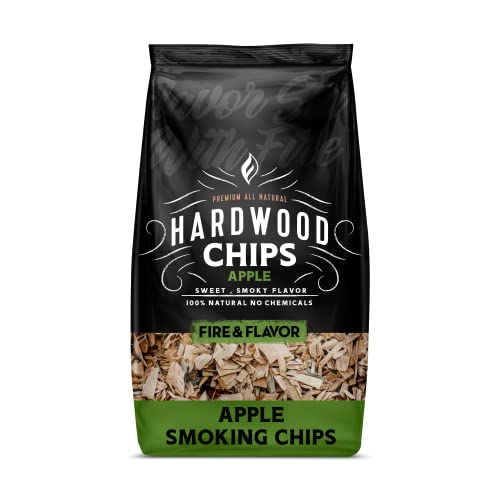
PREMIUM WOOD CHIPS: Made from all-natural wood that burns cleanly and evenly, these wood chips can be used on top of charcoal and in smoker boxes to deliver professional-level, mouth-watering results.

1.6 LB HICKORY SMOKING CHIPS FOR RICH, BOLD FLAVOR - Mr. Bar-B-Q Hickory Smoking Chips, expertly crafted to deliver deep, smoky flavor to your favorite foods. This 1.6-pound bag provides an ample supply of high-quality hickory wood chips, perfect for enhancing the taste of meats, poultry, seafood, and vegetables with an authentic, mouthwatering aroma. Designed for use in charcoal grills, gas grills, electric grills, and smokers.
Temperature Management and Carryover Cooking Techniques
Three critical factors—smoker stability, meat monitoring, and strategic pulling—separate a perfectly smoked steak from an overcooked disappointment. You’ll achieve even temperature control by maintaining your smoker between 225–250°F, using a water pan as a heat sink to absorb temperature spikes and release stabilizing steam. Water pans play a crucial role in stabilizing temperature and adding moisture that prevents temperature fluctuations during the smoking process.
Deploy precision smoke application with a dual-channel thermometer, setting your high-temp alarm 15–20°F below ideal doneness. Pull your steak at 110–115°F for medium-rare, allowing carryover cooking to finish the job during resting. This technique prevents overcooking while maximizing smoke penetration. Remember that smoke should be applied as a seasoning rather than an overpowering element to maintain the integrity of the meat’s natural flavors. Position your steak away from direct burners to ensure proper indirect heat cooking and optimal smoke flavor infusion. Adjust your grill vents strategically to maintain consistent airflow and prevent temperature swings throughout the smoking process.
Verify final temperature with a Thermapen ONE, inserting through the side into center, avoiding fat or bone. Pre-chill steaks 20 minutes before smoking to extend smoke exposure. Preheat your sear pan to 375°F during rest for perfect crust development. Regular maintenance between smoking sessions, including cleaning the grates while still warm, ensures optimal performance and extends the life of your smoker. Installing heat tents or shields above burners helps prevent flare-ups and provides even heat distribution throughout your smoking chamber.

Winco products are made to meet the high demands of a kitchen


Fits Masterbuilt 30" Electric Smoker: Water bowl for Masterbuilt 30" electric smoker models, for Masterbuilt 30-inch Digital Electric Vertical BBQ Smoker. Replacement for Masterbuilt 9007170040 Water Bowl Part
Smoking Times for Specific Steak Cuts
Now that you’ve mastered temperature control and carryover cooking, you’ll apply these principles differently across specific cuts—each demands its own timing strategy based on size, fat content, and bone structure.
Tenderloins smoke fastest at 45-60 minutes, reaching 120-125°F for rare. Strip steaks require similar timing but need an additional 4-6 minutes grilling post-smoke. Tri-tips demand a full hour at 225°F, while Tomahawks require 1.5-2 hours due to their bone thickness and marbling.
Your smoking temperature profiles stay consistent at 225-250°F across cuts, but thickness determines total time. Roasts typically need 60-90 minutes. The critical variable is stopping 10°F before your target doneness, allowing carryover cooking during post smoke finishing. For optimal smoke absorption, ensure your steaks are at least 1 1/2 inches thick, as thinner cuts cook too quickly to properly infuse the wood flavors. This precision prevents overcooking while developing that pivotal crust. After smoking, consider finishing with a high-heat sear to trigger the Maillard reaction and create a flavorful crust. For thicker ribeye cuts, expect smoking times to extend to around 4 hours with careful monitoring for medium-rare results. Remember that internal temperature—not just time—is the most reliable indicator for doneness across all cuts and smoking methods. Investing in a quality remote thermometer ensures you consistently achieve accurate doneness across all your smoked cuts. The ThermoWorks Thermapen ONE delivers ±0.5°F accuracy with 1-second read times, making it the top choice for serious pitmasters who demand precision. After resting the meat for approximately 10 minutes, always slice against the grain to maximize tenderness and preserve the juices developed during smoking.

BBQ / Grill pit thermometer, safe and environmentally friendly.

More Stable Than Bluetooth: Our advanced RF technology ensures a stronger, more reliable connection than Bluetooth. This smoker thermometer provides the freedom to move around without losing connection! Monitor your BBQ from up to 1,000 feet away!

Large Display: Features a 2 3/8 inches large face for clear visibility; Stem length of 2 7/8 inches enhances accessibility; Enables easy classification of food temperatures in various cooking environments
Preparation and Pre-Smoking Steps
Before you fire up your smoker, the groundwork you lay with proper meat selection and preparation directly determines your final results. Start by selecting premium ribeye or quality steak cuts with excellent marbling—this guarantees even smoke penetration and consistent moisture retention throughout the cooking process.
Apply your seasoning application using kosher salt and cracked black pepper across all sides during a 2-4 hour dry brining period. This technique amplifies flavor development. Next, achieve room temperature equilibration by letting your steaks rest for approximately 5 minutes before placing them in the smoker. This critical step prevents cold spots during smoking and allows seasoning to adhere properly. For best results, season steaks as desired, and consider using a quality seasoning blend to enhance your final product. A Texas-style rub with cayenne and garlic can really ramp up the flavor of the beef beyond basic salt and pepper. If you’re also preparing your grill grates or cast iron for smoking, brush them with high-smoke-point oils like refined avocado or canola oil to prevent sticking and ensure proper heat transfer. Many pitmasters prefer cast iron grates for their superior heat retention and ability to create beautiful sear marks when finishing smoked steaks. Consider adding wood chips during the smoking process to infuse your steak with rich, authentic barbecue flavor that complements the beef’s natural taste.
Finally, preheat your smoker to 225°F with indirect heat configured, ensuring your meat thermometer is ready for monitoring. Keep your long-handled tongs nearby for safe handling when it’s time to transfer or flip your steaks without getting too close to the heat. While smoking provides incredible flavor, some pitmasters finish their steaks on a gas grill with high searing performance to achieve a perfect crust and lock in juices.

Robust Flavor Profile: This ribeye and steak seasoning delivers a bold, savory blend specifically crafted to enhance the natural flavors of premium cuts of beef, bringing out the rich, meaty taste in every bite


Achieving the Perfect Sear After Smoking
Your smoked steak‘s journey isn’t complete until you develop that flavorful, caramelized crust that seals in juices and elevates the entire dish. Start by patting your steak dry post-smoking to maximize the Maillard reaction. After resting 10-15 minutes tented in foil, you’re ready to sear.
Heat your cast iron skillet or grill to 500°F+. Sear 1.5-2 minutes per side for ideal sear quality and flavor development. Monitor your internal temperature carefully—you’ll gain approximately 10°F during the high-heat sear. For optimal results, a meat thermometer is essential to ensure your steak reaches the desired doneness throughout the cooking process. Thicker cuts like ribeye and porterhouse steaks benefit most from the reverse sear method’s ability to cook evenly. Wireless probes with high-heat tolerance up to 1000°F can monitor your steak continuously during the searing process without damage.
Pull your steak at 110-125°F before smoking to achieve 135°F medium-rare doneness. Thicker cuts and filet mignons require adjusted pull temperatures. You can also test doneness using finger pressure techniques to gauge the firmness of your steak before and after searing. Consider applying high smoke point oils directly to the steak surface rather than the pan to prevent burning and achieve better browning. If you’re using a gas grill, look for models with porcelain-enameled cast iron grates that deliver consistent high heat and minimize flare-ups during the searing phase. After searing, rest again to redistribute juices evenly throughout the meat. Allowing your steak to properly rest ensures the juices redistribute throughout the meat for maximum flavor and tenderness.

High Heat Resistance: Our Silicone Hot Handle Holder set are made of high-quality, durable and heat-resistant silicone. High heat resistance silicone protects hands up to 400 Degrees F/200 Degrees ℃. Which has good hot insulation and flexibility, easy to clean and be cool, dishwasher safe, protecting hands avoid high temperature burns.

[Complete 7-Piece Set for Versatile Cooking] - This enameled cast iron cookware set includes a 4.8-quart large Dutch oven with lid, 2.8-quart small Dutch oven with lid, 2-quart sauce pan, and a 10.25-inch skillet. Perfect for a range of cooking techniques, from sautéing and grilling to slow cooking, roasting, and baking—an ideal gift choice for home chefs!

Reliable Heat Resistance: Designed for skillets 9 inches and larger, the Lodge Silicone Hot Handle Holder delivers a secure grip on hot cookware with heat resistance up to 500°F
The Importance of Resting Your Smoked Steak
The resting period after smoking is where your steak’s quality is truly locked in. During rest, carryover cooking redistributes heat evenly while your meat’s proteins re-bond, reabsorbing expelled juices throughout the muscle fibers. This process directly impacts tenderness and flavor retention.
Use temperature monitoring techniques to track when your steak reaches its target internal temperature, accounting for the 5-10 degree rise during carryover cooking. Rest thin cuts 5-7 minutes minimum; thick steaks require 10-20 minutes using the rule of 5 minutes per inch of thickness. Quality food smokers with temperature control can provide the optimal environment for consistent and even cooking results. Utilize lid thermometers or digital probes to ensure precise monitoring of internal temperatures throughout the smoking process. Instant-read thermometers like the Thermapen ONE deliver one-second readings that help verify your steak has reached the perfect final temperature after resting. Just as with larger cuts, precise temperature control is essential for achieving the desired results, whether you’re smoking at 225°F or adjusting to higher temperatures.
For serving presentation guidelines, allow adequate resting time before cutting. This prevents juices from flooding your plate and guarantees consistent moisture distribution. Muscle fibers relax during the resting period, allowing them to reabsorb juices that were forced to the surface during the smoking process. The minimum resting time of at least 30 minutes helps retain juices effectively, ensuring maximum flavor and moisture in every slice. Wireless grill thermometers with Bluetooth or radio frequency connectivity allow you to monitor your steak’s temperature remotely during both the smoking and resting phases. Properly rested meat appears more appetizing and delivers superior taste and texture in every bite.
Common Mistakes to Avoid When Smoking Steak
Even with proper resting technique down, you’ll sabotage your results if you don’t nail the fundamentals during the smoking phase itself. First, don’t exceed 225°F—steaks overcook to well-done before centers reach target temps. Use an accurate leave-in thermometer, probing at 20, 40, and 45 minutes to track internal temperature precisely. Pull steaks at 105-110°F for ideal smoke duration, typically 45-60 minutes, preventing dryness and toughness. Meat slows down smoke absorption once it reaches 140-145°F internal temperature, so pulling at lower temperatures maximizes the smoke ring development. Maintain consistent temperature through efficient air circulation and proper preheating. Consider using a cast-iron skillet on your grill to achieve better crust development if your pellet grill lacks native searing power. Before smoking, trim any excess fat and silver skin from the steak to ensure even cooking and better smoke penetration. While steaks require lower temperatures, smoking burgers at moderate temperature around 350°F offers faster cooking while still imparting smoky flavor and maintaining juiciness. Wrapping the meat in butcher paper during the cook can help maintain moisture and develop a good bark. For extended smoking sessions, models with large hoppers like the Pit Boss 850 DX are suitable for overnight cooks without refilling pellets. Finally, reverse sear immediately after smoking to develop crust without carryover overcooking. Reverse searing combines low & slow cooking with hot & fast searing for full-proof steak preparation. These fundamentals prevent the common pitfalls that ruin smoked steaks despite excellent resting practices.