
You’ll transform tough turkey legs into tender BBQ perfection by brining them in a saltwater solution for 6-8 hours, then applying a balanced dry rub with garlic, paprika, and brown sugar. Smoke at 225-240°F using post oak and hickory wood until the internal temperature reaches 165°F. Rest for 15-20 minutes, then baste with apple juice or finish with vinegar-based glaze. The specific ratios and timing details’ll take your results from good to competition-level.
Preparing Your Turkey Legs With Brine
You’ll want to start with the right salt concentration—kosher salt typically ranges from 1 to 1.5 cups per gallon of water, though some experienced pitmasters use precise 4% salt by weight for consistency. Add 0.5 to 1 cup of brown sugar per gallon for sweetness and moisture retention.
Achieving ideal brine temperature is critical for brine safety considerations. Cool your brine completely to room temperature before submerging turkey legs, using ice if necessary. Maintain refrigeration throughout the entire 6 to 8 hour brining window for standard-sized legs—never exceed 24 hours to prevent over-salting and texture degradation. For optimal results, combine all brine ingredients in a large pot and bring to a boil before the cooling process to ensure proper flavor infusion. Consider adding fresh rosemary and sage to enhance the herb profile of your brined turkey legs.
Use large pots or buckets ensuring complete submersion. Pull back skin to allow even penetration. After brining, thoroughly rinse legs under cold water to eliminate excess salt before your smoking process begins. Brining the turkey beforehand keeps it juicy throughout the smoking process, which is especially important when cooking at lower temperatures. Optional basting techniques during the smoking stage can further enhance moisture and flavor. You can also enhance flavor by injecting the legs with flavored butter or herbs before placing them in the smoker. Using a digital meat thermometer ensures accurate temperature readings for perfectly cooked turkey legs. After smoking, let the turkey legs rest for 15 to 20 minutes before serving to allow the juices to redistribute throughout the meat.
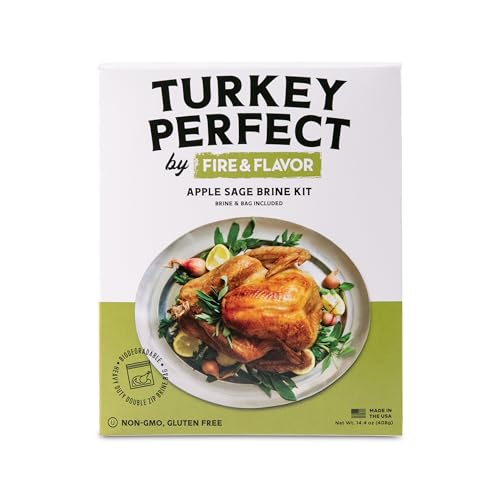
MAKE YOUR BEST TURKEY: In 5 simple steps, you'll have your best-tasting turkey ever. The brine ensures excellent flavor, and the bag keeps your turkey moist and tender. Our kit is gluten-free, non-GMO, and kosher.

THE SECRET’S IN THE SALT - Our unrefined, ancient sea salt is a healthier option than the processed salt used in other seasonings. Real Salt hasn’t been stripped of beneficial minerals and contains 60+ trace minerals that help your body stay balanced and add a subtly sweet, delicious flavor to every bite.

Tender & Juicy Results – Brining locks in moisture and enhances flavor, yielding a turkey that’s tender, juicy, and perfectly seasoned.
Seasoning Techniques for Maximum Flavor
The difference between good smoked turkey legs and exceptional ones comes down to proper seasoning application. You’ll achieve superior results by mastering versatile rub combinations and optimal binder application.
Start by patting your legs dry, then apply your chosen binder—avocado oil works exceptionally well, though mustard or hot sauce offer compelling alternatives. This adhesive layer guarantees your rub adheres properly.
Pull back the skin to season exposed meat directly, then apply your dry rub generously to all surfaces. Consider blending onion powder, garlic powder, smoked paprika, brown sugar, and cumin for a balanced profile. Alternatively, try specialty blends like Tony’s Lite Creole or Dad’s All Purpose rub.
Allow your seasoning minimum fifteen minutes to adhere before smoking. For enhanced flavor penetration, some pitmasters prefer dry brining the turkey legs overnight before applying the dry rub. This patience yields noticeably deeper flavor penetration throughout your turkey legs. Monitor the doneness using an instant-read meat thermometer inserted into the thickest part of the leg without touching the bone. For optimal smoke penetration and flavor development, maintain a steady smoker temperature between 220–250°F throughout the cooking process. For added moisture during the smoking process, consider basting with apple juice periodically to keep the meat tender and enhance the overall flavor profile. The slow cooking process over wood smoke will develop a rich, distinctive flavor that sets smoked turkey apart from traditional preparations. For added richness, prepare a compound butter with softened butter, minced garlic, fresh thyme, and rosemary to baste your turkey legs during the smoking process.
Setting Up Your Smoker
Before your seasoned turkey legs hit the grates, you’ve got to dial in your smoker’s fundamentals. Start by preheating to 225 degrees Fahrenheit, then stabilize at 250-275 degrees Fahrenheit for optimal results. Maintaining accurate temperature is critical—verify your smoker holds steady heat before adding meat.
Managing smoker’s ventilation guarantees consistent smoke flow. Position your vent so smoke exits freely from the top, creating an even cooking environment. Leave adequate space between legs for complete smoke envelopment and heat circulation.
Select your wood—post oak, hickory, or apple combinations deliver robust flavor. Pecan or hickory wood are excellent choices for smoking turkey legs. To avoid overpowering the poultry, consider blending hickory with milder woods like oak at a ratio of 60% oak to 40% hickory for balanced smoke penetration. Load your fuel source and confirm smoke production from wood or tubes. Never use softwoods like pine or cedar, as their resins will ruin your turkey with bitter, acrid flavors. For the most accurate temperature monitoring throughout your cook, use a Thermoworks Instant Read Thermometer to verify internal temperatures. If you’re using a pellet smoker, look for 100% natural hardwoods without fillers or additives to ensure clean-burning performance and bold smoky flavor. When properly seasoned, your oak will produce thin, blue smoke that enhances the turkey without overwhelming its natural flavors. Monitor the meat until it reaches an internal temperature of 165°F to ensure both safety and proper doneness. Close the lid after placing legs to initiate the low-and-slow process, locking in that perfect BBQ character throughout your cook.

SIGNATURE BLEND WOOD FIRED FLAVOR: The flavors of hickory, maple, and cherry hardwoods combine for in our Traeger Signature Blend Hardwood Pellets for flavor that can take on just about anything you cook; From classic BBQ meats, to fish and veggies, this versatile blend gives you full-bodied flavor you'll go back to time and time again

KINGSFORD CRAFTSMOKE PREMIUM WOOD PELLETS: Introducing Craftsmoke, the premium line of natural hardwood pellets, crafted in small batches for the chef in all of us; pack may vary

Made In the USA: Celebrate homegrown quality with these premium wood chips made in Arkansas and Missouri
Choosing the Right Temperature Range
Once you’ve got your smoker dialed in and your wood loaded, nailing the right temperature range becomes your next priority—it’ll make or break your turkey legs. You’ll want to maintain a steady 225°F to 240°F for favorable results. This range guarantees consistent cooking without overcooking your meat. Never let temperatures dip below 225°F, as you’ll compromise doneness and texture. Temperature variations outside this window create uneven cooking and unpredictable results. For proper temperature maintenance, monitor your smoker throughout the process. If you’re after crispy skin, consider the higher alternative of 325°F, which dramatically reduces cook time while keeping dark meat tender. Position a water pan on level below or next to your meat grate to help maintain steady temperature and add moisture to your smoking environment. Smoking at these temperatures combined with proper brine preparation ensures the tender, fall-off-the-bone texture that makes smoked turkey legs exceptional. Some pitmasters opt for moderate heat at 275°F, which balances shorter cook times with maintaining juiciness while still achieving that desirable crispy skin. While smoking at 300°F follows the guideline of about 15-25 minutes per pound, turkey legs typically require less time due to their smaller size compared to whole turkeys. Whichever range you choose, consistent attention to temperature control separates mediocre smoked turkey legs from exceptional ones. Using a reliable meat thermometer is essential to verify your turkey legs have reached the safe internal temperature of 165°F rather than relying solely on cooking time. Consider using mild fruitwoods like apple or cherry to add a subtle smoke flavor that complements the natural taste of the turkey without overwhelming it. After smoking, let your turkey legs rest to allow the juices to redistribute throughout the meat for maximum flavor and moisture.

【5G Wi-Fi & Bluetooth5.0 Mode】Inkbird smoker controller fan supports two networking methods;can monitor the grill through smartphone; one smartphone can control multiple smoker controllers at the same time, or multiple people can monitor one smoker controller.

【5G Wi-Fi & 164FT Bluetooth】INKGRILL smoker controller fan supports 5G WIFI and Bluetooth two networking methods;can monitor the grill through smartphone; one smartphone can control multiple smoker controllers at the same time, or multiple people can monitor one smoker controller.

Monitoring Cook Time and Internal Temperature
Accurate temperature monitoring is what separates perfectly tender, fall-off-the-bone turkey legs from dry, disappointing results. You’ll need proper thermometer placement to guarantee reliable readings—insert your probe diagonally into the thickest part of the thigh, avoiding bone contact that produces false measurements.
Achieving target internal temperatures requires patience and precision. Pull your turkey legs at 170-175°F, accounting for carryover cooking that’ll raise the temperature another 5-10°F during the 15-20 minute rest. Smaller legs typically finish in about 2 hours, while larger ones need up to 2 hours 45 minutes. For optimal results, maintain your smoker at a preferred range of 240-260°F throughout the entire cook to ensure even heat distribution and consistent tenderness. When smoking at higher temperatures like 300-320°F, expect faster cooking times that may result in a beautiful bronze exterior and rich ham-turkey flavor.
Don’t rely solely on time estimates. Multiple temperature checks throughout your cook prevent underdone meat while maintaining moisture. Like with brisket, monitoring through the stall phase is crucial when the meat’s temperature plateaus temporarily. This methodical approach verifies consistent, restaurant-quality results every time you smoke turkey legs. Consider using a wireless probe for continuous monitoring without opening your smoker and losing valuable heat and smoke. Using a digital thermometer to track internal temperatures in the thickest part of the meat ensures you achieve safe and perfectly cooked results. Remember that temperature, not time, is the most reliable indicator of doneness for perfectly smoked poultry. After cooking, let the turkey legs rest loosely covered for 15-20 minutes to allow the juices to redistribute throughout the meat for maximum tenderness.
Applying Sauces and Finishing Touches
While your turkey legs approach their target temperature, you’ll want to prepare your sauce—whether that’s a tangy Alabama white sauce combining mayo, apple cider vinegar, lemon juice, and cayenne, or a traditional vinegar-based glaze. Whisk your chosen ingredients until you achieve the final sauce consistency, then refrigerate in an airtight container.
Begin glazing when internal temperature reaches 155-160°F. Brush sauce thoroughly across all surfaces, cover the grill, and cook for five minutes. Apply a second coat for layered flavor applications that penetrate both meat and skin. The tangy, slightly sweet, and peppery flavor profile of Alabama white sauce soaks into the meat rather than sitting on top. Continue smoking until reaching 175°F, then remove and rest for 5-10 minutes. A light vinegar-based barbecue sauce works particularly well for glazing during the final stages of smoking. Smoking at lower temperatures helps minimize the formation of harmful compounds compared to high-heat grilling methods.
Transfer your finished legs to a serving platter immediately. Offer extra sauce options for dipping, allowing guests to customize their coating. If you plan to share leftovers with pets, remember that smoked turkey for dogs should be avoided due to high sodium content and preservatives that can cause digestive issues. Similarly, avoid giving dogs rich sides like grilled cheese sandwiches, as the high fat and sodium content can lead to pancreatitis or digestive upset. Properly stored smoked turkey will last up to 4 days in the refrigerator when kept at consistent temperatures and refrigerated within two hours of smoking. Just like smoked salmon requires proper storage below 40°F to maintain quality, keeping your smoked turkey at consistent refrigerator temperatures is essential for food safety.

Alabama Style White Southern Dipping Sauce: Duke’s Alabama White Sauce is a creamy, tangy treasure, blending the smoothness of mayonnaise with the sharp bite of vinegar and horseradish, perfect for giving your barbecue a Southern-style twist.

CREAMY, TANGY SOUTHERN FLAVOR: A bold white BBQ sauce with a vinegar tang and black pepper bite; Works on grilled chicken and pork, pizza sauce, or coleslaw dressing; This white barbecue sauce elevates everyday meals with a unique twist

CREAMY & TANGY: Standout, growing flavor for menus — a creamy, tangy sauce, featuring notes of apple cider vinegar, black pepper, and molasses — with exceptional cling and coverage.
Resting and Serving Your Smoked Turkey Legs
After you’ve applied your final sauce coat and the turkey legs have reached 175°F, it’s time to remove them from the smoker and let them rest. A resting duration of 15-30 minutes is critical for moisture control, allowing juices to redistribute throughout the meat and prevent dryness when you serve. For best results, pair your smoked turkey legs with creamy sides like mashed potatoes or mac and cheese to complement the rich, smoky flavor.
During this window, maintain temperatures above 140°F to guarantee food safety. Use a thermometer to monitor compliance. The simple brine you prepared overnight transforms the turkey legs into incredibly tender and juicy meat that stays moist throughout the resting period.
Once rested, arrange your legs on a serving platter immediately to maximize juiciness and flavor. The golden-brown exterior showcases your smoking mastery. Serve directly—don’t delay, as the meat loses its ideal texture and tenderness over time. Always use grill mitts when handling hot smoker components and serving platters to prevent burns.
For leftovers, cool completely before sealing in airtight containers for 3-4 days refrigeration or vacuum-seal for freezer storage up to 2-3 months. When ready to enjoy your leftovers, reheat to 165°F to ensure they’re safe to eat. To prevent drying out during reheating, use a covered roasting pan with a small amount of broth and heat at a low temperature around 300°F. If thawing frozen turkey legs, use safe thawing methods such as the refrigerator, cold water, or microwave rather than leaving them at room temperature. After finishing your cook, let the smoker cool completely before placing a waterproof cover over it to protect against weather damage and extend its lifespan.