
You can freeze leftover grilled chicken for 4 to 9 months when you implement proper food safety protocols. Cool your chicken completely to room temperature within two hours of cooking, then package it in airtight, vacuum-sealed containers to prevent freezer burn and oxidation. Label each package with the freezing date and portion size for easy tracking. Thaw frozen chicken safely in your refrigerator over 24 hours or use cold water submersion, changing every 30 minutes for faster results. Understanding the specific preparation techniques and storage methods will drastically enhance your outcomes.
Understanding Food Safety When Freezing Grilled Chicken
To safely freeze your leftover grilled chicken, you’ll need to maintain your freezer at 0°F (-18°C) or below—this temperature halts bacterial growth while preserving the meat’s quality for up to 12 months. Implement rigorous temperature monitoring procedures to guarantee consistent freezing conditions. Before freezing, remove excess fat from your cooked chicken, as this minimizes oxidation and rancidity. Package your chicken in airtight containers using vacuum sealing or multiple wrapping layers: plastic wrap, aluminum foil, then freezer bags. While aluminum foil can be convenient for wrapping, be aware that high grilling temperatures may cause aluminum particles to transfer to food. This approach prevents air exposure, which causes freezer burn and compromises quality. Proper food contamination prevention requires eliminating pathways for bacterial proliferation. For optimal results, use airtight packaging such as vacuum-sealed bags or multiple wrapping layers to prevent freezer burn during extended storage. Store cooked grilled chicken pieces at maximum quality within four months, though they remain indefinitely safe at 0°F when properly packaged and protected from temperature fluctuations. To maintain food safety and quality, ensure your grilling equipment is properly maintained and free from rust buildup that could compromise your food. Cooked poultry should be packaged in plastic, freezer-safe containers or on trays covered tightly with aluminum foil, then packed in plastic freezer bags for best preservation. If you plan to consume your grilled chicken within a shorter timeframe, refrigeration at or below 40°F will keep it safe for three to four days before freezing becomes necessary.

Compatible with All Desktop Vacuum Sealers: These vacuum sealer bags are designed to work with all traditional desktop vacuum sealer machines. Simple to operate and convenient to use. (Note: These bags do not feature an air valve and are not compatible with handheld vacuum sealers.)

BPA-FREE MATERIAL: XingBaoLong food sealed roll bags can be microwave heated, frozen, reused, washed, boiled, and dishwasher safe. Allow you to precisely control the cooking temperature for optimal results, Kitchen Essentials
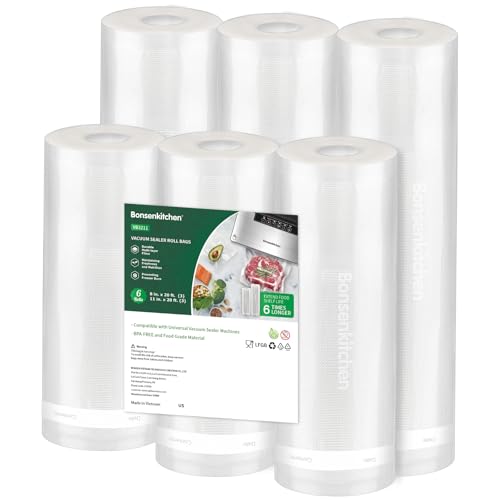
BPA FREE: Bonsenkitchen vacuum food sealer roll bags can be microwaved, frozen, re-used, washed, boiled and dishwasher safe. Allows you to precisely control your cooking temperature to achieve perfect results. You can cook sous vide in Bonsenkitchen bags by placing them in water at any temperature up to 230°F/110°C
The Best Time to Freeze Your Leftover Chicken
Since bacterial proliferation accelerates rapidly at room temperature, you’ll want to freeze your cooked grilled chicken within two hours of cooking or transfer it to refrigeration immediately. Once refrigerated, proper refrigeration timing allows you 3-4 days before freezing becomes necessary. For optimal results, freeze your chicken on the day you cook it—this extends usability up to four months. Maintain ideal freezing temperatures at 0°F or lower to preserve texture and flavor effectively. Label your containers with the freeze date to track your storage window. Divide larger portions into smaller units before freezing, as they cool faster and thaw more uniformly. To prevent condensation and freezer temperature fluctuations, ensure your cooked chicken has cooled completely before freezing. For best results when grilling, use indirect heat to avoid flare-ups that can compromise the quality of your chicken. Before freezing, make sure to clean your grill’s grease collection tray to prevent buildup that can affect future cooking performance. Use Glad® Press’N Seal® Wrap or similar freezer wrapping materials to prevent freezer burn and maintain quality during extended storage. Properly storing your chicken helps minimize food waste and supports environmental sustainability. When you’re ready to use your frozen chicken, consider versatile preparations like wraps, tacos, and pasta dishes to maximize variety in your meals. For best results when serving your thawed chicken, reheating with added liquid such as broth or water will help preserve moisture and prevent the meat from drying out. This methodical approach guarantees both safety and quality preservation throughout your frozen storage period.
Essential Preparation Steps Before Freezing
Now that you’ve established the proper timing for freezing, preparing your grilled chicken correctly guarantees you’ll maintain quality throughout storage. Start by allowing your chicken to cool completely to room temperature—this prevents condensation that causes freezer burn. For proper chilling, refrigerate any pieces that won’t cool easily to touch. To ensure food safety, your chicken should cool to below 40°F before freezing, similar to the internal temperature requirements for properly cooked poultry.
Next, remove skin and excess fat to improve freezing quality. Debone pieces like drumsticks and thighs, then cut the meat into bite-sized portions or strips for faster thawing. Shredding works well for versatile recipe applications. Just as internal temperature monitoring is critical when smoking meat to ensure food safety, checking that your chicken has reached room temperature before freezing prevents quality issues. Using a wireless meat thermometer can help you verify that your grilled chicken has cooled sufficiently before packaging for long-term storage. Label each bag with the date and portion size to track storage duration. Properly wrapped chicken can remain frozen for up to 4 months without significant quality degradation.
Before air tight storage, trim any remaining visible fat. Dividing into 1-2 serving portions minimizes waste and enables quicker defrosting. For apartment dwellers with limited freezer space, consider using compact storage solutions similar to the portability advantages offered by small tabletop grills. These methodical steps safeguard your frozen chicken maintains exemplary texture and flavor for future meals.

DISHWASHER SAFE & EASY TO CLEAN: These reusable freezer bags are suitable for dishwasher. While put the reusable lunch bags on the top rack of the dishwasher, this upgraded food-grade PEVA material is dishwasher safe under 120℃/250℉. We recommend hand wash and air dry too. Not suitable for microwave.
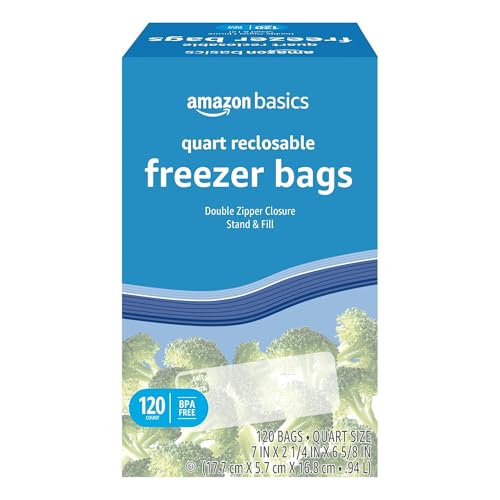
Includes 120 freezer food bags, each holding 1 quart

Dishwasher Safe & Easy to Clean: These reusable storage bags are easy to clean—simply turn them inside out and place them on your dishwasher’s top rack. They come out fresh and ready to use again. To extend their lifespan, please avoid high-temperature dishwasher settings such as heated drying
Optimal Packaging Methods for Maximum Freshness
Proper packaging is essential because it’s your primary defense against freezer burn and flavor degradation during storage. You’ll maximize freshness by selecting vacuum sealing, which removes all air and maintains quality up to twelve months. If you lack a vacuum sealer, double-bag your chicken in heavy-duty freezer bags after squeezing out excess air completely.
For ideal temperature control and freezer organization, you should flash freeze individual pieces on trays before final packaging. This prevents sticking and enables efficient portion control. Alternatively, wrap portions in freezer paper with plastic wrap underneath, forming compact flat packages that stack efficiently. Using cryovac-style sealing will collapse the air around your chicken for extended freshness and superior long-term preservation.
Label all packages with contents and freezing dates. You can also use airtight freezer-safe containers, leaving headspace for expansion. Just as grill mats require non-slip textures to prevent shifting on outdoor surfaces, your frozen chicken requires reliable packaging to maintain its structural integrity during storage. Similar to how natural abrasives help remove grease buildup from grilling surfaces, proper packaging acts as a protective barrier against oxidation and freezer burn. Neutral-flavored oils with elevated smoke points are preferred for grilling because they resist burning at high temperatures, similar to how your packaging resists deterioration in freezer conditions. For storage exceeding two months, always overwrap original packaging to maximize preservation. Store-wrapped poultry should be rewrapped for longer freezing to prevent quality deterioration over extended storage periods.

VACUUM SEALER BAGS ROLLS: 8"x20' 3rolls+11"x20' 3rolls, XinBaoLong Food Saver Bags Rolls, Commercial Grade, Heavy Duty, BPA Free for Vac Storage, Kitchen Gadgets, Kitchen Accessories

HEAVY DUTY AND PUNCTURE PREVENTION - 200 pack of 6 by 10 inch precut bags with embossed channels to increase suction, with a box for storage, keep fresh without freezer burn or dehydration
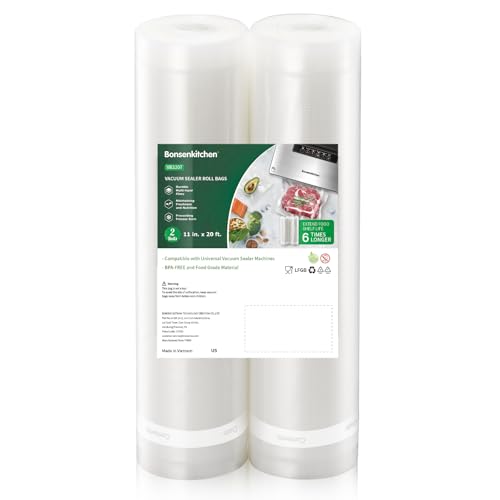
【BPA FREE】Bonsenkitchen vacuum food sealer roll bags can be microwaved, frozen, re-used, washed, boiled and dishwasher safe. Allows you to precisely control your cooking temperature to achieve perfect results. You can cook sous vide in Bonsenkitchen bags by placing them in water at any temperature up to 230°F/110°C
How Long You Can Store Frozen Grilled Chicken
How long can you actually keep frozen grilled chicken before it loses quality? You’ll maintain ideal quality for 4 to 6 months when storing grilled chicken pieces at 0°F (-18°C). If you’ve prepared chicken with broth or gravy, extend your frozen storage duration to 6 months. For general grilled chicken leftovers, Tyson recommends 6 to 9 months of frozen storage. Fresh poultry pieces can be kept frozen for up to 9 months when stored at proper freezer temperatures.
Here’s the critical distinction: freezing at 0°F keeps your chicken safe indefinitely, but these timeframes apply to quality, not safety. Check food safety indicators by examining color changes or freezer burn before use. Always cool grilled chicken to room temperature within 2 hours, then refrigerate below 40°F for up to 3 days before freezing to maximize your frozen storage duration and maintain nutritional integrity. Ensure your grill is positioned in a well-ventilated outdoor space to prevent smoke accumulation while cooking. Proper storage with consistent temperature control prevents quality degradation similar to how smoking processes require careful temperature management. To prevent freezer burn and preserve texture, wrap chicken in freezer-safe bags before placing it in the freezer. Similar to how grilling efficiency depends on medium-sized grill performance and BTU ratings, maintaining proper freezer temperature is essential for optimal food preservation. Just as stainless steel grills resist corrosion and last longer with proper maintenance, quality freezer containers and consistent temperature control are crucial for preserving frozen chicken. High-heat cooking methods like grilling can generate carcinogenic compounds that may affect long-term health, making proper storage and preparation practices even more important for food safety.
Safe Defrosting Techniques for Best Results
Defrosting your frozen grilled chicken safely requires choosing a method that keeps the meat below 40°F throughout the process to prevent bacterial proliferation. The USDA-preferred refrigerator method offers ideal safety, thawing larger portions over 24 hours while maintaining quality. For quicker results, submerge sealed chicken in cold water, changing water every 30 minutes for consistent temperature monitoring. Running cold water directly over sealed packaging accelerates thawing to 30 minutes but requires substantial water usage. Microwave defrosting suits portions under one pound; rotate midway for even results. Freezing causes water content in chicken cells to turn into ice, which is why proper defrosting methods are essential to restore the meat’s texture and safety. Since grilled chicken is rich in essential vitamins and minerals, preserving these nutrients through proper thawing techniques ensures you maintain the nutritional benefits of your meal. Just as internal temperature reaches critical importance when grilling frozen patties, timely thaw completion is equally vital—cook immediately after thawing to eliminate bacterial growth risks. Much like searing frozen meat over direct high heat creates a flavorful crust, proper thawing techniques preserve the quality of your grilled chicken. Resting the chicken after cooking allows juices to redistribute, which is particularly important to preserve when freezing and thawing your grilled chicken. To maintain optimal flavor and texture when thawing your grilled chicken, consider that seasoning applied during grilling becomes more concentrated in the meat as it freezes. Avoid hot water and never thaw at room temperature, as these approaches compromise food safety and texture integrity.
Common Mistakes to Avoid When Freezing Chicken
Even though you’ve mastered safe defrosting techniques, you can still compromise your frozen grilled chicken’s quality if you’re making common freezing mistakes. Don’t freeze chicken while it’s still hot—condensation causes freezer burn and risks partially defrosting nearby items. Always cool it completely in your refrigerator first. Wrap inadequately, and you’ll expose chicken to air; use freezer paper or vacuum sealing instead. Remove excess air from freezer bags before sealing. Avoid refreezing improperly thawed chicken unless you recook it first, as multiple freeze-thaw cycles promote bacterial growth. Don’t freeze large portions—they freeze unevenly, creating tough, dry meat. Portion into meal-sized quantities instead. Freeze within 24 hours post-grilling to prevent spoilage. Keep your grill clean after cooking to prevent buildup of food residue and grease that can affect the quality of your chicken before freezing. Use a grill brush with water to effectively remove grease and residue from your cooking surfaces. For stubborn rust or buildup on grates, try using aluminum foil as a scrubbing tool to safely remove buildup without the risks posed by wire brushes. For stubborn rust or buildup on grates, consider using baking soda and vinegar paste to restore your grill to optimal cooking conditions. Ensure all parts are thoroughly rinsed and air-dried before reassembling your grill to maintain its cleanliness and prevent contamination of future meals. Excessive freezer time beyond 3-6 months degrades quality, so label everything with dates. Ensure your freezer temperature stays at 0ºF or below to maintain optimal meat quality throughout storage. Remember that flash freezing helps maximize the quality of your chicken by preventing large ice crystals from forming, which preserves texture and taste better than standard freezing methods.
Portioning Strategies for Convenient Future Meals
Once you’ve avoided common freezing pitfalls, strategic portioning becomes your next lever for maximizing convenience and minimizing waste. You’ll want to align portion control techniques with your household’s realistic consumption rates rather than standardized measurements. Pre-portion grilled chicken into meal-sized units—typically 2-2.5 pounds for family servings or individual breast quantities for single portions. Incorporate meal planning considerations by labeling containers with preparation dates and specific recipe applications, enabling quick defrost-to-cook decisions. Lay chicken flat in vacuum-sealed bags to reduce freezer footprint and accelerate thawing. Consider marinating chicken before freezing to enhance flavor and tenderness for your future meals. Using a meat thermometer for accuracy ensures your thawed chicken reaches the proper internal temperature when reheating. Stack individual portions vertically for efficient organization. The precise temperature control of modern pellet grills ensures your chicken cooks evenly before freezing, resulting in better texture retention. For consistent and reliable cooking results, high-end pellet smokers like the Yoder Smokers YS640S deliver the superior build quality and performance that ensures perfectly cooked chicken every time before freezing. Premium pellet grills like the Traeger Searwood deliver exceptional smoke production that can elevate your initial grilling technique before you ever freeze your chicken. For those seeking to scale up their grilling operations, pellet smokers offer superior temperature control consistency comparable to professional cooking equipment. This methodical approach eliminates the need to thaw entire packages for single meals, drastically reducing preparation time during meal assembly. Buying frozen chicken in bulk offers substantial cost savings when you coordinate your portioning strategy with weekly meal plans tailored to your family’s preferences.
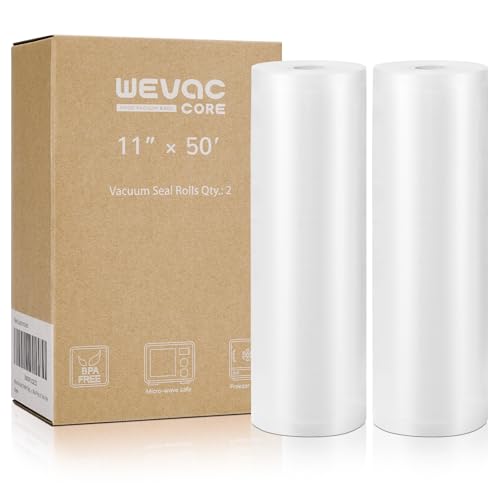
HEAVY DUTY AND PUNCTURE PREVENTION - 2 pack of 11 inch by 50 feet rolls with embossed channels to increase suction, keep fresh without freezer burn or dehydration

ECONOMICAL & & TIME SAVING: Total 150 count Bonsenkitchen 20 Gallon 11" x 16"+ 90 Quart 8" x 12"+ 40 Pint 6" x 10" vacuum sealer bags are different sizes of packaging, meet your different usage needs. Vacuum bags are pre-cut and ready-to-use, saving you time whenever you’re preserving leftovers, preparing make-ahead meals, and portioning bulk items in the freezer.Just pull out and use, no need to cut, no need to seal one side before putting food in

Made in USA: Proudly manufactured in the United States
Maintaining Quality During Storage and Use
Since you’ve portioned your grilled chicken strategically, the next critical phase involves preserving that quality through proper storage conditions and handling practices. You’ll maintain your freezer at 0°F (-18°C) or lower to prevent bacterial growth and texture degradation. Guarantee airtight wrapping using freezer-grade materials to block moisture-vapor transfer and prevent freezer burn. Label packages with dates and contents for tracking.
When you’re ready to use your frozen chicken, employ proper thawing methods by defrosting in your refrigerator overnight rather than at room temperature. This maintains texture integrity. For reheating frozen chicken, gently warm it to 165°F, avoiding high heat that damages quality. To maximize storage life, wrap poultry in freezer wrap or place chicken in freezer bags, removing as much air as possible before sealing. Consistent hygienic handling practices prevent spoilage and the growth of harmful bacteria during storage. Just as fires require cutting off the oxygen supply to extinguish safely, maintaining clean storage containers and equipment ensures optimal food preservation conditions. Just as propane tanks require proper gas flow maintenance for safety, maintaining clean storage containers and equipment ensures optimal food preservation conditions. Similar to how grill brush selection affects the cleanliness and safety of your cooking equipment, choosing appropriate food storage containers impacts the quality and safety of your preserved meals. For equipment that contacts your stored chicken, consider using mess-free cleaning solutions to maintain sanitary storage conditions. Cooked poultry pieces retain ideal quality for four months when you follow these methodical storage and handling protocols consistently.

Food Grade Safe: Made of extra thick food-grade PE material and passed certified test to ensure the reusable bags are PVC, BPA, Chloride, and Lead free. They can be used as flat bags or stand up bags thanks to the special foldable bottom design, and are much more lightweight & portable than silicone food storage bags. Perfect reusable food storage bags in home & kitchen or on the go.

Food Grade Material: Choose SPLF brand for Truly food-grade reusable storage bags. Made of extra thick food-grade Peva material that is PVC, BPA, Chloride and Lead free. Healthy and safe for family and earth.
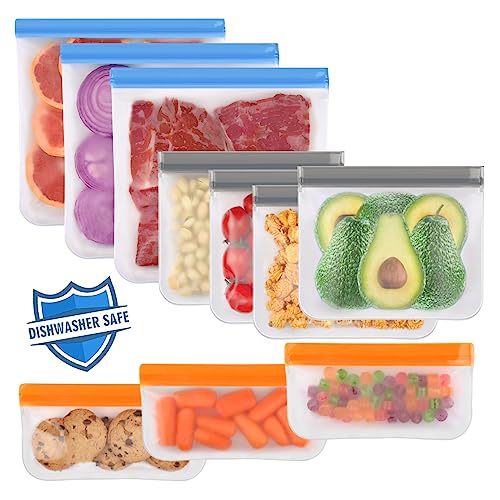
[DISHWASHER SAFE] Why bother with hand washing the reusable bags when you have a dishwasher? Thanks to innovative upgrades to materials, our reusable food storage bags are dishwasher safe. Simply turn the reusable bag inside out and put it in the dishwasher for easy cleaning. However, please skip high-temperature functions such as the dishwasher's drying to extend the lifespan of the bag.