

You’ll master smoked chicken legs by preheating your smoker to 250-275°F with clean, oiled grates and selecting plump, bone-in drumsticks weighing 8-14 ounces. Brine them in salt and sugar solution, then apply a balanced dry rub combining brown sugar, smoked paprika, kosher salt, garlic, and onion powder—roughly 1/4 cup per 1.5 pounds. Smoke at steady temperatures, monitoring internal doneness at 175-180°F for maximum tenderness and moisture. The techniques for achieving restaurant-quality results with crispy skin and ideal smoke penetration require a deeper understanding of timing and temperature management.
Preparing Your Smoker and Equipment
Before you place a single chicken leg on the grate, you’ll need to prepare your smoker and equipment properly—this foundation determines whether you’ll achieve juicy, tender results or dry, leathery skin. Start by preheating your smoker to 250-275°F with clean, oiled grates to prevent sticking. Your wood preparation matters greatly; select apple, cherry, or hickory chips based on your flavor preference, then top up your smoker at the 250°F preheat mark. For pellet grills, fill the hopper before preheating begins. Ensure your wood pellets are topped up before you begin smoking to maintain consistent temperature and smoke throughout the entire cooking process. Place a pan of water in the corner to keep moisture inside your smoker and maintain the ideal cooking environment. Moisture management requires maintaining steady temperature throughout—erratic heat causes smoke loss and compromises texture. Air drying your chicken legs before smoking enhances skin crispness and improves the final texture. The low-and-slow smoking method at lower temperatures allows fat and connective tissues to break down slowly, which is key to achieving juicy results. For optimal results, continue smoking until your chicken reaches an internal temperature of 175-180°F for maximum tenderness and food safety. Using a reliable meat thermometer rather than relying solely on time ensures accurate temperature monitoring throughout the cooking process. Guarantee your digital thermometer is functional and calibrated, as monitoring internal meat temperature ensures you reach the safe and ideal doneness without overcooking. These preparation steps establish the controlled environment necessary for smoking chicken legs successfully.

BBQ / Grill pit thermometer, safe and environmentally friendly.
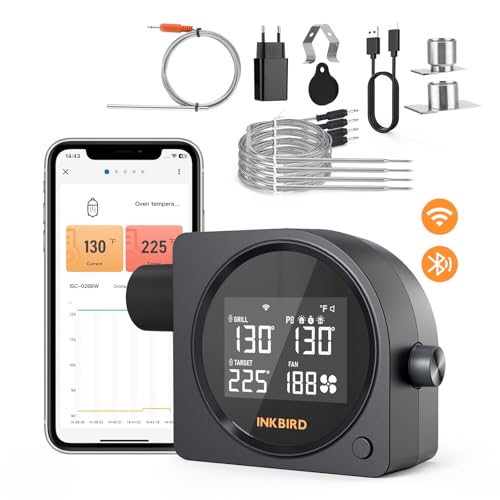
【5G Wi-Fi & Bluetooth5.0 Mode】Inkbird smoker controller fan supports two networking methods;can monitor the grill through smartphone; one smartphone can control multiple smoker controllers at the same time, or multiple people can monitor one smoker controller.
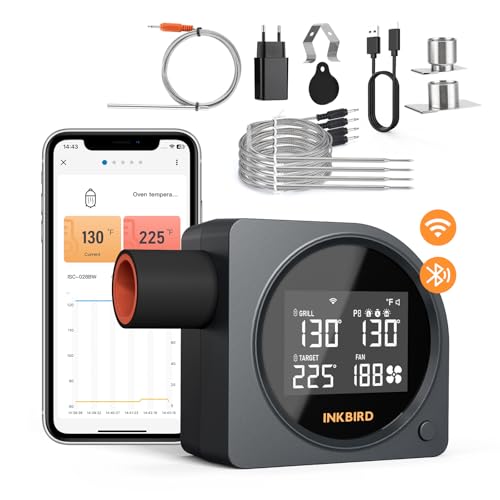
【5G Wi-Fi & Bluetooth5.0 Mode】Inkbird smoker controller fan supports two networking methods;can monitor the grill through smartphone; one smartphone can control multiple smoker controllers at the same time, or multiple people can monitor one smoker controller.
Selecting and Preparing Chicken Legs
How you select your chicken legs determines whether you’ll achieve competition-grade results or mediocre smoke. You’ll want plump legs with bright skin color and visible marbling quality—those fat streaks guarantee juiciness throughout the smoking process. Choose bone-in drumsticks weighing 8-14 ounces; they retain superior flavor and moisture during long cooks. For the best results, use indirect heat to prevent the skin from charring while the meat cooks through evenly.
Once you’ve selected uniform-sized pieces, trim aggressively. You’ll remove large fat pockets near the bone and pull out prominent veins using grippy gloves. Square up your meat into compact rectangular portions by cutting through fat seams and trimming high spots from the underside. Brining the legs in a salt and sugar solution before smoking helps keep them moist and enhances flavor penetration. Smoking chicken legs at temperatures between 225-275°F allows the seasoning and smoke flavor to penetrate deeply while maintaining moisture. Like ribs, you can enhance moisture retention by wrapping in foil with butter and brown sugar during the cooking process. Using a meat thermometer to verify the internal temperature reaches 165°F ensures food safety and perfect doneness. For enhanced smoky flavor, consider using wood pellets such as apple or cherry to complement the natural taste of the chicken.
Six uniform portions assure even cooking and consistent judge experience. Check for tenderness factors post-trim, ensuring you’ve eliminated chewiness points. Your preparation directly impacts your final smoke quality.
Creating and Applying the Perfect Dry Rub
Since your chicken’s flavor foundation relies entirely on the rub you’ve chosen, you’ll want to understand how each ingredient contributes to your final product. Brown sugar provides sweetness and caramelization, while smoked paprika delivers smoky depth. Kosher salt enhances all flavors and creates a flavorful crust.
When balancing flavor profiles, layer savory elements like garlic powder and onion powder against the sweetness. Cumin and oregano add complexity, while cayenne pepper lets you customize heat levels. This versatile dry rub approach works exceptionally well on various protein types beyond just chicken.
For ingredient substitution options, consider swapping Italian seasoning for individual dried herbs or adding cinnamon for subtle sweetness. Ground mustard seed introduces tangy depth effectively. Always use freshly ground black pepper to ensure maximum flavor and aroma in your rub. Pairing your dry rub with wood choices like hickory or pecan during the smoking process will further enhance the overall flavor profile, though mild, sweet fruitwoods like cherry offer a more delicate complement to poultry.
Apply approximately 1/4 cup rub per 1.5 pounds of chicken. Dampen the skin first, then massage the rub thoroughly into all crevices. Refrigerate for 2-3 hours minimum to maximize flavor penetration before smoking.
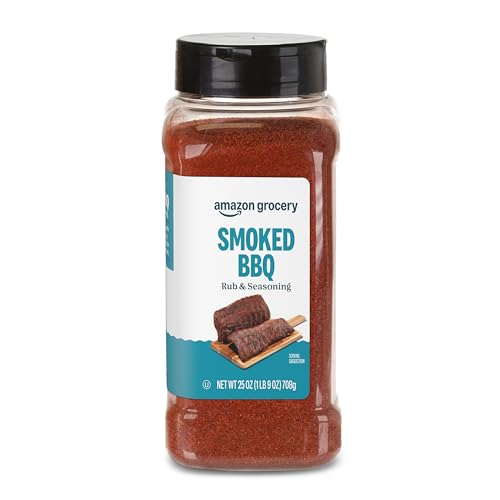
One 25 ounce container of Smoked BBQ Rub & Seasoning

Citrus and spice seasoning for chicken dishes

Simple, high-quality ingredients of garlic, smoked paprika, black pepper and onion
Understanding Temperature and Timing Fundamentals
Why does temperature matter more than any other factor when smoking chicken legs? Temperature directly controls cooking speed, skin texture, and meat quality. You’ll need to preheat your smoker between 225°F and 325°F—lower temperatures yield superior skin while requiring approximately 2.5 hours, whereas higher temperatures diminish cooking time to 1-1.5 hours.
Maintaining consistent temperature throughout the process forestalls fluctuations that compromise meat quality. Ceramic cookers and pellet grills excel at this, especially in the 275°F+ range. For optimal performance, a wireless grill thermometer can help monitor smoker temperature with precision and consistency. Monitor smoker performance carefully during final 30 minutes, taking multiple internal temperature checks. You’re targeting 175°F-180°F in the thickest portion without touching bone—this guarantees maximum tenderness and moisture retention while exceeding minimum safety standards of 165°F. Using a meat thermometer inserted in the thickest part ensures you avoid the common mistake of checking temperature in areas that may not reflect true doneness. For the most reliable results, consider investing in an instant-read thermometer that provides rapid, accurate temperature readings to eliminate guesswork. Preparation steps such as brining or marinating the chicken before smoking enhance both flavor and juiciness. After smoking, allow the chicken to rest for 5 to 10 minutes to redistribute the juices for best texture and flavor. Consider spraying with apple cider vinegar every 20-30 minutes during the smoking process to enhance flavor and maintain moisture. A meat thermometer is essential for accurately determining doneness and ensuring your chicken reaches the preferred internal temperature throughout the cooking process.

Fast & Accurate: Get precise readings in just 1 second with ±0.9°F accuracy. NSF Certified for trusted food safety, this digital food thermometer features a 4.3 inches food-grade stainless steel meat probe, perfect for grilling, frying, baking, making candy and more

【8X Faster + 4X More Precise】: Upgraded with an industrial-leading professional thermocouple sensor, Themomonster meat thermometer digital with NIST certified ±0.5℉ precision provides you the accurate temperature of your food in just 0.5 Seconds.

【Fast & Accurate】Our meat thermometer digital delivers accurate readings within ±1°F in just 1–2 seconds, with a wide temperature range of -58°F to 572°F (-50°C to 300°C). No more waiting over the heat - know your food's exact temperature instantly.
The Primary Smoking Phase
Now that you’ve got your smoker dialed in at the right temperature, it’s time to prepare and place your chicken legs for the smoking process. You’ll want to arrange your seasoned legs directly on the grill grates or hang them on a chicken rack, ensuring they’re spread out for even smoke exposure.
During the primary smoking phase, you’ll smoke for approximately 1.5 hours, though some methods recommend 1-2 hours depending on your equipment. Your flipping technique matters—rotate and flip your chicken after the first 30 minutes, then continue turning every 30 minutes to promote even cooking and browning. Use a meat thermometer to monitor the internal temperature throughout the smoking process. For optimal tenderness with chicken legs, consider working toward an internal temperature of 180-185°F rather than stopping at 165°F. Wood choices like oak, pecan, and hickory are recommended to complement the chicken without overpowering it.
Maintain consistent temperature control throughout this phase. To achieve crispy skin on your chicken legs, you can raise your smoker temperature to 375-400°F for 10-15 minutes during the final stages. After smoking, allow your chicken legs to rest for 10-15 minutes before serving to ensure the juices redistribute properly throughout the meat. Monitor your internal temperatures closely, working toward 165 degrees F. Remember to keep the door closed during smoking to maintain steady heat and smoke circulation. This foundational smoking period establishes the smoke ring and develops the authentic BBQ flavor you’re after before moving into glazing stages.
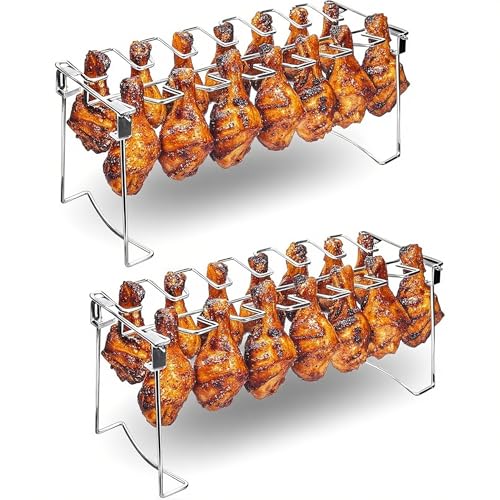
【Holds 14 Drumsticks Securely for Even Cooking】Two racks included – each holds 14 chicken legs upright without flipping. Cooks evenly indoors or outdoors on grills, smokers, or ovens

Just Hang And Leave - Don't have to worry about turning them, this 14-slot chicken drumstick grill rack will make your chicken legs and wings perfectly cooked on all sides evenly and incredibly juicy!

Just Hang And Leave - Don't have to worry about turning them, this 12-slot chicken drumstick grill rack will make your chicken legs and wings perfectly cooked on all sides evenly and incredibly juicy!
Monitoring Internal Temperature and Doneness
The most critical factor in smoking chicken legs successfully is verifying they’ve reached the proper internal temperature before you remove them from the heat. You’ll need a digital instant-read thermometer for temperature accuracy. Insert the probe into the thickest section of the thigh, avoiding bone contact, which conducts heat and skews readings.
You’re aiming for 170°F minimum, though 175–185°F optimizes tenderness in dark meat. Check multiple areas across different legs to ascertain uniform doneness throughout your batch. For best results, aim for an internal temperature of 185°F for the most tender chicken legs possible. Using a meat thermometer ensures you achieve consistent results and food safety across all your smoked poultry. Models like the Thermapen ONE deliver one-second readings for quick temperature verification during your smoking process. The Thermapen ONE is recognized as one of the fastest and most accurate instant-read thermometers available for grilling and smoking applications. Keep your smoking area in a well-ventilated outdoor space to ensure proper air circulation and safety during the cooking process.
Account for carryover temperature when planning your removal point. Internal temperatures rise 3–5 degrees during the resting phase, so pull your chicken slightly before reaching your target to prevent overcooking. Like grilled steak, letting meat rest after cooking allows juices to redistribute and ensures optimal tenderness. A 5–10 minute rest period after removing your chicken from the smoker allows the juices to redistribute throughout the meat, resulting in more tender and flavorful chicken legs. This precision technique guarantees consistently perfect smoked chicken legs every time.
Applying Sauce and Final Smoking Steps
Once you’ve confirmed your chicken legs have reached that perfect 175–185°F sweet spot, it’s time to elevate them with sauce and complete the smoking process. Move your chicken to indirect heat and reduce your grill to low. Using proper brushing techniques, apply your chosen sauce liberally with a brush on both sides, turning and re-brushing during the final ten minutes of cooking. For best results, baste with BBQ sauce and allow the drumsticks to rest for 5 minutes before serving.
You’ll find diverse sauce ingredients variations available—from honey-mustard glazes with soy sauce and rice vinegar to traditional ketchup-based BBQ sauces featuring Worcestershire and liquid smoke. Select versions aligned with your dietary preferences, including sugar-free options for keto diets. Allow the internal temperature to guide your doneness decisions alongside visual cues. Smoking at low temperatures allows the chicken to absorb smoke flavor and break down connective tissues without overcooking, resulting in tender and flavorful meat. For thicker cuts, consider finishing in an oven to ensure even cooking throughout.
Reserve extra sauce for post-cooking dipping. Allow the sauce to cook and thicken on the grill, creating that signature caramelized exterior. Like ribs, chicken legs benefit from the bend test to confirm they’ve reached optimal tenderness. Wood choices like apple, cherry, or oak enhance the smoke flavor profile during the cooking process. Your chicken’s done when fully glazed and perfectly smoky.

Made with French’s #1 grade mustard seed, molasses, aged cayenne and hickory smoke

THE ORIGINAL JAPANESE BBQ SAUCE FLAVOR: A rich, savory-sweet Barbecue Sauce that’s teriyaki-style and full of umami, crafted with soy, mirin, ginger, garlic, and green onion for an authentic Japanese flavor.

Thick & tangy BBQ sauce with real bourbon and natural hickory smoke
High Heat Searing for Crispy Skin
How’d you get that restaurant-quality crispy exterior on smoked chicken legs? High heat searing creates the Maillard reaction that develops that coveted golden crust. Start by preheating your cast iron or stainless steel pan over medium-high heat for 90 seconds until smoke rises. Add olive oil and swirl to coat evenly.
Place chicken skin-side down and don’t move it for 5-6 minutes—resist the urge to fidget. Avoid overcrowding the pan; this maintains high heat and prevents steaming, which ruins crispiness. After flipping, sear the other side for 5-7 minutes until edges turn golden. For optimal results, consider using an oven-safe skillet like those featured in the Vermicular Cookbook for even heat distribution and professional results.
Controlling cooking temperature is paramount. After achieving that initial sear, reduce heat to medium, then finish on low for 17-20 minutes until you reach 185-190°F at the bone. This prevents burning while rendering fat properly. Simple seasoning with salt and pepper allows the natural flavors of the chicken to shine through without masking the smoky exterior you’ve worked to develop.
Resting and Serving Your Smoked Chicken Legs
Why’d you rush smoked chicken legs straight to the plate? You’d compromise both tenderness preservation and moisture retention by skipping the rest period.
After smoking, tent your legs loosely with aluminum foil and rest them for 10 minutes at room temperature. This vital step allows juices to redistribute evenly throughout the meat, preventing dryness and enhancing flavor. For larger drumsticks, extend resting to 30 minutes. Whole leg quarters provide more meat and richer flavor compared to drumsticks alone, making them worth the extra resting time for optimal results. Let the rested chicken cool slightly before serving to avoid burns while maintaining its warmth. Resting also gives you time to prepare your serving platter and any side dishes that will accompany your meal. A probe thermometer provides the accuracy needed to verify your chicken has reached the ideal internal temperature throughout the resting process. Like a pellet grill’s digital temperature controls, precise temperature monitoring ensures consistent and reliable results every time.
Pull your chicken at 175-180 degrees F for ideal juiciness and tenderness in dark meat. Using a leave-in thermometer to verify internal temperature ensures your chicken reaches the perfect doneness without overcooking. Serve immediately after resting while the meat’s still warm but stable. Present whole legs for authentic BBQ appearance, or brush sauce at 165 degrees F before your final rest if desired. Skip the sauce initially to appreciate the pure smoke flavor you’ve worked to achieve.