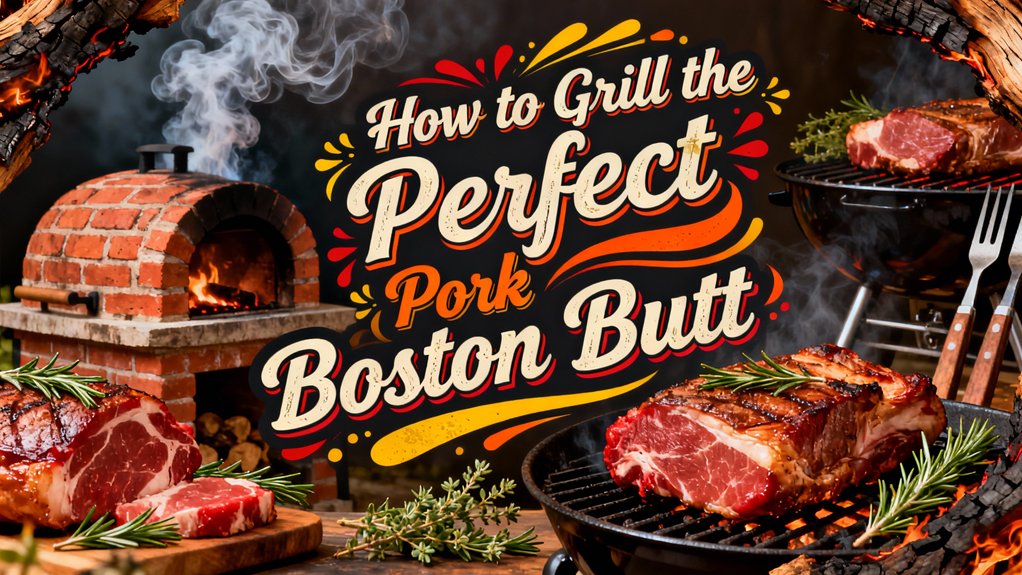
You’ll master pulled pork by dry brining your boston butt with kosher salt for 12-24 hours, then applying a robust spice rub featuring smoked paprika, brown sugar, and chipotle. Smoke at a steady 225°F using the snake method with apple and cherry woods, wrapping at 160-165°F internal temperature to power through the stall. Pull the meat at 195°F, rest it for 30-60 minutes, then shred with forks. The techniques separating good pulled pork from exceptional barbecue require deeper exploration.
Preparation and Seasoning
You’ll want to start your pork boston butt journey well ahead of time—ideally 12-24 hours before you fire up the grill—by applying a dry brine using kosher salt at roughly one teaspoon per pound of meat. This salt application timing breaks down muscle fibers, enhancing tenderness while allowing seasoning to penetrate deeply.
Once dry brining completes, create your spice rub by combining smoked paprika, dark brown sugar, salt, garlic powder, black pepper, chili powder, onion powder, chipotle chili pepper, cayenne pepper, cumin, and dry mustard. Your rub composition adjustment should yield approximately one-third cup per ten-pound roast. Apply this mixture evenly across all surfaces, optionally rubbing brown mustard underneath for added complexity. Using mustard as a binder under your rub helps the seasoning adhere better and adds subtle flavor depth to the final product. The generous rub application ensures every bite develops that coveted caramelized bark during cooking. Before applying your rub, ensure your grill grates are properly prepared by oiling and seasoning them to prevent sticking and create optimal cooking conditions. For cast iron grates, consider repeating the oil application and heating steps several times to build a durable protective coating. Position your pork butt fat-side-up on a racked roasting pan with vegetables and liquid for ideal moisture retention. Remember that the pork cut comes from the shoulder area], not the back end of the pig, which is why this cut is ideal for breaking down into tender, juicy pulled pork. Like brisket, pork butt may experience a temperature stall during cooking where the internal temperature plateaus due to moisture evaporation, but continuing to cook low and slow will eventually push through this phase. For best results, use a meat thermometer to monitor doneness rather than relying solely on cooking time, as factors like weather and smoker consistency can affect the final outcome.

No additives; Only pure kosher salt

For All Seasons: No pun intended! Whether it’s your next dinner party or a night in, our non iodized salt kosher option has you covered
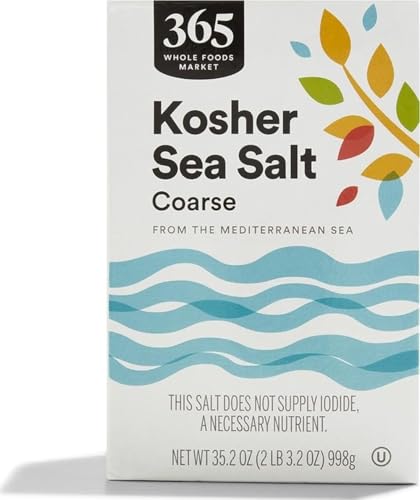
Premium kosher sea salt from the Mediterranean
Temperature and Heat Setup
Getting your grill dialed in separates mediocre pulled pork from the exceptional stuff—maintaining a steady 225°F strikes the perfect balance between breaking down connective tissue and preserving moisture. You’ll need a consistent heat source, so light one side of your gas grill and preheat for 15-20 minutes, leaving the other side dark for indirect cooking.
Use a grate level monitoring thermometer rather than your grill’s built-in gauge—it’ll give you accurate readings. If you’re using a Weber Kettle, employ the snake method with wood chunks placed every 4-6 inches and lit on one side. For consistent airflow and temperature stability, ensure your grill’s ash catcher is clean to prevent blockages that could affect heat distribution. Position a foil pan filled with an inch of water below the meat to maintain humidity, which helps stabilize your cooking temperature throughout the long smoke. During the cook, expect a temperature stall around 150-160°F where the internal temp plateaus due to moisture evaporation. Remove your pork butt at an internal temperature of around 195 degrees Fahrenheit to ensure optimal tenderness. Resting the meat post-cooking allows juices to redistribute throughout the meat, ensuring moist pulled pork. This setup delivers the low-and-slow conditions your butt demands. For added smoky flavor, use wood chips in a smoker box placed directly over the heat source, and remember that soaking wood before cooking produces ample smoke for deeper flavor development. Keeping your grill lid closed during the entire cook will retain heat and maintain the stable temperature needed for perfectly tender pulled pork.

Dual Fuel Compatibility: The GasOne GS-3400P-KIT dual fuel camp stove with griddle operates on both butane (8 oz) and propane (16.4 oz) for maximum versatility in any environment. A propane converter regulator is included, allowing seamless use of either fuel source for camping, emergencies, or home cooking.

🔥 Heavy-Duty Durability & Superior Cooking 🔥: Robust cast iron grates (excellent heat retention + professional sear marks 🍖) and 550℃ high-temperature powder-coated steel body 🛡️, ensuring rust resistance and long-lasting outdoor use; even heat distribution eliminates cold spots ❄️.

Heavy Duty Construction: The GPT-17B barbecue grill in Tan Brown is made of premium grade, highly durable non-rust materials, a combination of heavy duty stainless steel burner head and porcelain coated non-stick grilling grate, easy to clean and designed to withstand the test of time.
Initial Cooking Phase
Once your grill’s stabilized at 225°F, it’s time to transform that raw pork butt into pulled perfection. You’ll focus the first three hours on maximizing smoke intensity while your meat climbs toward 165°F internal temperature. Keep that lid sealed—this critical phase determines your bark’s quality and depth.
During this window, your pork absorbs smoke most effectively between 150-160°F. You’re building flavor foundations that’ll distinguish exceptional results from mediocre ones. Maintain consistent heat and resist the urge to peek constantly; each lid opening compromises moisture retention and extends cooking time unnecessarily. For optimal results, prioritize natural hardwoods over flavored or additive-laden charcoal products to ensure clean smoke without overpowering your meat. Top brands like Traeger and Lumberjack offer 100% natural hardwood pellets without fillers or additives for the cleanest burning performance. Apply a generous mustard and rub to the meat’s surface before cooking begins to ensure the seasoning adheres properly and develops maximum flavor complexity. Consider using Pork Candy rubs to bring out the richness in your pork and enhance the overall depth of flavor. Apple and cherry woods deliver sweet fruity notes that complement pork beautifully while building complexity during the initial cooking phase.
Monitor progress toward that perfect bark color around the three-hour mark. Your patience here pays dividends in the final product’s complexity and texture. Lump charcoal delivers the high, consistent heat needed to maintain your 225°F target without temperature fluctuations that disrupt the smoking process.
Wrapping and Secondary Cooking
As your pork butt’s internal temperature climbs toward 160-165°F—typically around the four to five-hour mark—it’s time to shift into the wrapping phase that’ll lock in moisture and propel your meat toward that coveted 200°F endpoint. Deploy heavy-duty foil in a double layer, wrapping tightly around the meat to create secure seams that contain juices while managing pressure without excessive steaming. Position your meat probe before wrapping, then fold ends securely to prevent unwrapping during cooking.
Resume smoking at 250-275°F or increase to 325°F for faster results. Moisture retention becomes critical now—skip spritzing and let the wrapped environment maintain juiciness. Monitor fuel levels vigilantly to preserve pit temperature consistency. For enhanced moisture balance and smoke penetration, consider using pink butcher paper as an alternative wrapping material that allows better airflow than foil. The wrapped butt will typically achieve noticeably better tenderness and juiciness compared to unwrapped meat cooked using the same method. Wood choices like apple, cherry, or oak contribute distinct flavor profiles throughout the wrapping phase. When not actively smoking, store your smoker grill with a weather-resistant cover to protect your equipment and extend its lifespan. Check internal progress periodically until you hit 200°F, typically requiring three additional hours. Many pitmasters employ the Texas Crutch technique—wrapping meat in foil once it reaches the stall point—to accelerate the cooking process while maintaining moisture. Like turkey grilling, resting your meat after cooking allows internal temperatures to rise further and juices to redistribute for optimal tenderness. Similar to the pre-cooking method used for ribs, the wrapped pork butt benefits from rendering fat and tenderizing meat during the secondary cooking phase. This methodical approach transforms your pork into competition-quality perfection.

Package Includes: One (1) Reynolds Wrap Pitmaster’s Choice Extra Thick Aluminum Foil Roll measuring 25 feet by 18 inches wide (37.5 square feet total)

EXTRA WIDE HEAVY DUTY REYNOLDS FOIL: This package contains one Reynolds Wrap heavy duty foil roll measuring 50 feet long by 18 inches wide (75 square feet total)
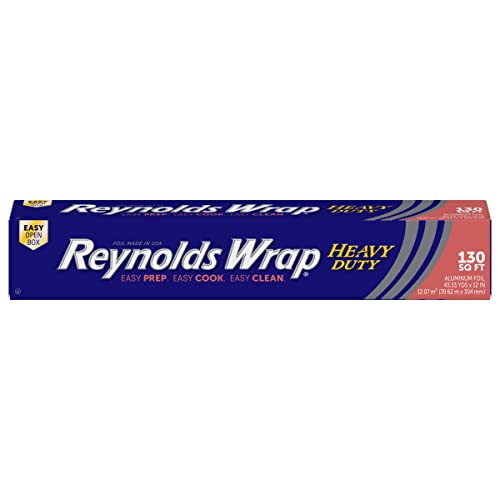
Package Includes-One (1) Reynolds Wrap Heavy Duty Aluminum Foil Roll measuring 130 feet long by 12 inches wide (130 square feet total)
Doneness and Temperature Targets
You’ve wrapped your pork butt and you’re tracking toward that magic number, but here’s where precision matters most: hitting the right internal temperature separates competition-quality pulled pork from mediocre results. Your ideal internal temp range targets 195°F to 205°F, with 203°F delivering that coveted pull-apart tenderness. Don’t rush this final phase—collagen melt timing demands both temperature and patience. You’ll enter the Collagen Melt Zone at 170°F, but those final degrees matter enormously. Use a digital probe thermometer, checking multiple spots since fat interferes with readings. A digital meat thermometer will provide the most accurate results for determining true doneness, especially models offering ±0.5°F accuracy for competition-level precision. For the best results, consider thermometers like the Thermapen ONE which delivers one-second readings and precise temperature measurement for competition-grade pulled pork. Wireless probe thermometers with app-guided cooking allow you to monitor temperatures remotely during extended cooks, freeing you from constant manual checks. Models using radio-frequency technology provide superior long-range reliability compared to Bluetooth-only options, ensuring consistent monitoring throughout your cook. Tenderness ultimately determines doneness more than any single number, so probe the meat’s thickest sections. Cooking too hot and fast can dry out the meat before collagen has time to melt, undermining all your careful temperature management. Just as overheating in smoking causes albumin leakage and dryness, rushing your pork butt cook at excessive temperatures compromises the final product’s moisture and texture. Push past 203°F and you’re ensuring complete connective tissue breakdown for exceptional results.
Finishing and Serving
Hitting that perfect 203°F doesn’t mean you’re done—what you do in the next 45 minutes will determine whether your pork pulls apart with succulent tenderness or dries out despite hours of careful cooking. Rest your butt wrapped in foil for 30-45 minutes, then pull along natural muscle seams using two forks or bear claws. Toss shredded meat in accumulated au jus for enhanced flavor, then integrate additional seasoning or vinegar-based sauce. Serve 6-8 ounces per person on buns with coleslaw and pickles, or present as a platter with extra sauce on the side. The pork’s incredible flavor profile means you can serve it without sauce if desired, allowing guests to enjoy the pure taste of the smoked meat. Proper resting and temperature control ensures the meat stays juicy and tender, much like the precision required when smoking other cuts of pork. Monitoring your meat’s internal temperature with a thermometer during cooking helps prevent the stall phase from derailing your efforts. For leftover storage, refrigerate in airtight containers with juices up to four days or freeze for three months, as proper refrigeration at consistent temperatures maintains smoked meat quality and safety. Never thaw frozen pork at room temperature, as this allows bacterial growth that can compromise safety. Consider using a low-temperature oven reheating method with apple juice to restore moisture and preserve the quality of your pulled pork. Reheating techniques include low-temperature oven reheating with apple juice to restore moisture, and tenting the meat with aluminum foil to seal in juices and retain moisture similar to methods used for other smoked meats.