

You’ll achieve the perfect grilled turkey by starting with proper preparation: thaw completely, pat dry, and secure with twine. Brine your bird for 16-24 hours using kosher salt and aromatics, then set up indirect heat at 325°F. Position the turkey breast-side up over a drip pan, monitor internal temps every 30-60 minutes, and baste regularly. Target 165°F in the breast and 190°F in the thigh. Rest for 20-30 minutes before carving to lock in juices and uncover the exceptional results this technique produces.
Preparation
Before you fire up the grill, you’ll need to properly prepare your turkey to guarantee it cooks evenly and develops that coveted crispy skin. Start by thawing your turkey completely in the refrigerator, allowing 24 hours for every 4-5 pounds. Once thawed, let it reach room temperature and remove the giblets and neck from the cavity.
Pat your turkey dry inside and out with paper towels—this dryness prevention step is essential for achieving crisp skin and avoiding steaming on the grill. For flavor enhancement, fill the cavity loosely with aromatic ingredients like onion halves, lemon slices, garlic, and fresh herbs such as sage, thyme, and rosemary. If you’re using a new grill, make sure you’ve completed the seasoning process by cleaning the grates and applying cooking oil before heating to create a protective, non-stick surface. For cast iron grates in particular, regular re-seasoning every few months helps maintain the protective layer and prevents rusting. Before you begin grilling, preheat the grill to high temperatures (around 500-550°F) to ensure the grates are ready and any residual buildup is loosened. Finally, secure your turkey by tying the legs together with kitchen twine and tucking the wings under the body to prevent burning during grilling. Consider slicing the turkey breast into 1/2 to 3/4 inch pieces to allow for quicker and more even cooking. After preparing the exterior, generously season your turkey with salt and pepper to enhance its natural flavors. For even more moisture and flavor, consider brining the turkey beforehand to help retain juiciness throughout the cooking process. Apply a flavorful dry rub to the surface of the turkey to create an additional layer of seasoning that will enhance the meat’s taste during cooking.
Brining and Seasoning
Now that your turkey’s properly prepared, you’ll want to brine it to guarantee superior moisture retention and flavor development. Mix 2 cups kosher salt per 2 gallons of water as your foundation, then enhance with fresh herbs like rosemary and thyme, plus citrus slices and peppercorns for complexity.
For safety considerations, maintain temperatures at 40°F or below throughout brining. You can prepare your brine up to two days in advance and refrigerate until needed. Submerge your turkey completely for 16 to 24 hours—roughly 1 to 1.5 hours per pound—ensuring even seasoning penetration. Brining alters the molecular structure of the meat, allowing it to retain significantly more moisture during the cooking process. A well-brined turkey can elevate your holiday feast to a higher level of deliciousness.
After brining, rinse thoroughly under cold water and pat completely dry. This removes excess surface salt while preserving the moisture benefits you’ve gained through this essential technique. If you’re planning to smoke your turkey, brining beforehand will help keep it juicy throughout the extended cooking process. Some pitmasters also use basting techniques during smoking to add additional layers of moisture and flavor to the finished bird. Consider applying a dry rub after patting the turkey dry to create a flavorful crust during the cooking process. Whether smoking or grilling, aim for an internal temperature of at least 165°F in the breast and 175°F in the thigh to ensure the meat is safely cooked. Using a probe thermometer will help you accurately monitor the temperature throughout the cooking process.
Chef-Mastered Moisture Retention – Our premium crystal salt acts at the molecular level to help retain up to ~30-40% more moisture in proteins like turkey, chicken and pork, resulting in juicier, more tender meals.

THE SECRET’S IN THE SALT - Our unrefined, ancient sea salt is a healthier option than the processed salt used in other seasonings. Real Salt hasn’t been stripped of beneficial minerals and contains 60+ trace minerals that help your body stay balanced and add a subtly sweet, delicious flavor to every bite.

Tender & Juicy Results – Brining locks in moisture and enhances flavor, yielding a turkey that’s tender, juicy, and perfectly seasoned.
Grill Setup
With your turkey brined, rinsed, and dried, you’ll need to configure your grill for indirect cooking to guarantee even heat distribution and moisture retention. For gas grills, employ the MOM method—center burner off, side burners on medium—targeting 375°–425°F. Remove half the grates and position a second grate in the middle. Place a smoker box on the lit burner for smoke flavor, and verify your propane supply is full before starting.
For charcoal grills, bank coals on either side, creating a center cool zone with a drip pan positioned three inches below. Position dark meat closer to coals due to higher temperature needs. Adequate fuel supply ensures you maintain consistent heat throughout the extended cooking time required for turkey. Post oak chips in your smoker box will infuse authentic smoke flavor throughout the cooking process. Use grill mitts and long tongs to safely handle the smoker box and add wood chips as needed during the cook. Before lighting your charcoal, ensure proper airflow by fully opening the grill vents to achieve optimal temperature control.
Pellet grill users should set temperature to 375°–400°F, ensuring adequate bird height clearance. Across all grill types, position your turkey in the center, away from direct heat. A dual-probe thermometer allows you to monitor both the breast and thigh temperatures simultaneously, ensuring perfectly cooked meat throughout. After cooking, use a bristle-free grill brush to clean your grates while still warm, avoiding any risk of stray wire bristles contaminating your next meal.
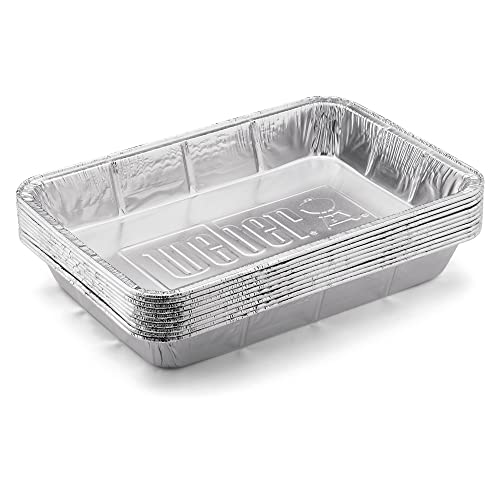
Out of carton Dimensions: 13.1 x 9.1 x 2 inches


Grilling Process
Once your grill’s configured and preheated to the target temperature range, you’ll remove your turkey from its brining vessel, rinse it thoroughly under cold water, and pat it completely dry with paper towels—moisture is the enemy of crispy skin. Position the turkey breast-side up over a drip pan on the unlit side, then immediately close the lid to retain heat.
Implement strict time management by checking internal temperature every 30-60 minutes, targeting 10-13 minutes per pound for total cook time. Rotate the pan halfway through cooking to guarantee even browning. Add charcoal briquettes every 60 minutes to maintain consistent heat at 325 degrees Fahrenheit. The open breast meat should reach an internal temperature of 165°F within an hour, while the dark meat reaches 190°F. Baste once or twice with pan juices, and cover any excessively browning areas with foil. Replenish pan stock as needed to prevent drying. Use indirect cooking by keeping the burners on the side away from the turkey to ensure even heat distribution throughout the cooking process. For optimal accuracy when monitoring doneness, use a probe thermometer to track the internal temperature in real-time throughout the grilling process. Insert the thermometer into the thickest part of the thigh to get the most accurate reading of doneness. A wireless thermometer with extended range allows you to monitor your turkey’s progress remotely without repeatedly opening the grill lid and losing valuable heat. Consider adding a moisture pan beneath the turkey to help maintain humidity and enhance the final result. After cooking, allow the turkey to rest for 20-30 minutes so the juices can redistribute throughout the meat, ensuring a tender and flavorful result.

Smart Display Base with Control: The ThermoMaven G1 wireless meat thermometer features a versatile smart display base that offers real-time temperature readings and allows you to set temperatures directly on the device—no app required. With our user-friendly one-click setup, you can connect the probe, pair it with the base, and start cooking in seconds—no complicated setup needed!

Longer Range 650 ft: The built-in best-in-class Bluetooth chip empowers this Bluetooth thermometer a longer range of up to 650 ft, a stronger signal and more stable connection to the smart App; so you'll never lost contact with your food no matter where in your house or yard

【NIST-Certified ±0.5°F Accuracy& 0.5s Instant Read】:It features 6 high-accuracy sensors with ±0.5°F precision and an instant read time of 0.5 seconds. Our thermometer for cooking delivers real-time internal and ambient temperature data, allowing you to accurately control the doneness of steak and meat while avoiding undercooking and overcooking.(NOTE:Not compatible with iPhone XR, X and 8 plus)
Doneness and Resting
After maintaining steady heat and vigilant monitoring throughout the grilling process, you’re ready to determine when your turkey’s reached its peak. Insert an instant-read thermometer into the thickest thigh part without touching bone, targeting 160-162°F. Check both thigh and breast at their thickest points before removal. The USDA recommends measuring internal temperature in thickest part of breast, innermost part of thigh, and innermost part of wing for comprehensive doneness verification.
Understanding carryover cooking effects proves essential—your turkey’s temperature will rise 5-10°F after you remove it from heat. This rise achieves your internal temperature objectives of 165°F safely without drying the meat beyond 170-175°F.
Once you’ve reached the removal temperature, place your turkey on a cutting board and tent it loosely with foil. Rest it for 15-30 minutes, allowing juices to redistribute throughout. This resting period prevents moisture loss and guarantees ideal texture when you carve. Just as with smoking poultry, letting the bird rest ensures the juices redistribute evenly for moist, flavorful meat. For optimal results, let the turkey rest for 20-30% of the total cooking time to ensure maximum juiciness and flavor retention. This resting protocol mirrors the techniques used by pitmasters when smoking turkey breast on pellet grills to achieve optimal tenderness and moisture. Like smoking turkey breast, temperature rather than time serves as the best indicator of doneness to ensure perfectly cooked poultry. Using a meat thermometer to verify the internal temperature has reached at least 140°F during reheating ensures both food safety and optimal moisture retention. Grilling produces a crispy skin similar to traditional roasted turkey while imparting subtle smoky notes depending on your heat source and cooking method.
Carving and Serving
Your turkey’s resting period has set the stage for clean, efficient carving that’ll showcase your grilling success. Start by removing leg quarters to clear your workspace, then separate drumsticks from thighs using the natural joint lines as guides. A sharp knife and boning knife will navigate these tight spaces effectively. Let the turkey rest for at least 45 minutes before you begin the carving process to allow the juices to redistribute throughout the meat.
Carve breast meat in one piece rather than slicing directly from the bone, following the breastbone’s curvature for presentation quality. Use a warmed platter to maintain ideal platter temperature throughout service. Preserve the crispy skin on each piece for visual appeal and textural contrast. Slice breast meat horizontally after removal for more elegant presentation. A reliable probe thermometer ensures your turkey breast has reached the proper internal temperature before carving begins. For ultimate confidence in doneness, consider a wireless grill thermometer that monitors temperature throughout the cooking process without requiring you to open the grill lid repeatedly. The backbone and wing tips can be used for stock to maximize your turkey and create delicious broths. Each serving should include skin, combining aesthetic beauty with the textural elements your guests expect from perfectly grilled turkey.