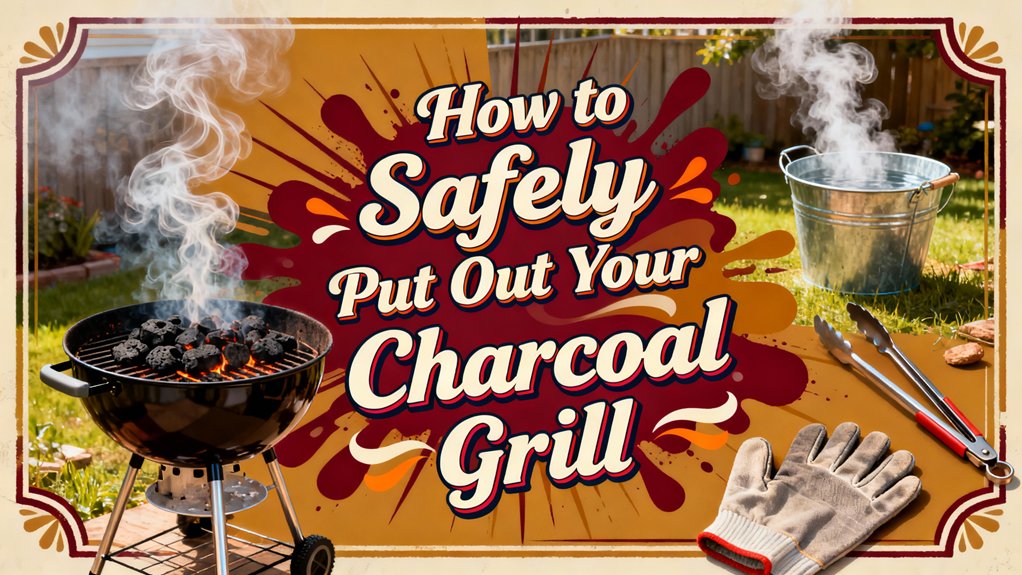
To safely extinguish your charcoal grill, you’ll want to close the bottom vents partially to reduce oxygen flow while keeping the top vents open. This controlled approach lets the coals burn down naturally without creating unpredictable flare-ups. Monitor the temperature as it cools, and avoid completely sealing vents, which can cause dangerous extinguishing complications. For faster results, you can use water or sand, though natural burnout remains the safest method. Several additional techniques exist to protect both your equipment and safety.
Closing Vents
Since oxygen fuels the charcoal’s burn rate, you’ll control your grill’s temperature by adjusting its vents. Start by opening all bottom vents to allow your coals to heat quickly. Once you’ve reached your desired cooking temperature, begin partial vent closure on the bottom vents for precise adjustments.
Partial vent closure restricts airflow gradually, lowering your grill’s temperature without extinguishing the fire. Use temperature monitoring with your built-in thermometer to track the cooling process accurately. Never completely seal your vents, as this suffocates the flame unpredictably and creates safety hazards. Remember that closing all vents will completely extinguish the coals, so avoid full closure if you plan to use your grill again soon. Bullet smokers typically have vents on top and front door for optimal airflow management.
Keep your top vents open to maintain proper exhaust and air circulation. Adjust bottom and top vents simultaneously to guarantee efficient airflow through radiant heat management. For those using alternative ignition methods like fire starters, understanding how oxygen affects burn rate is crucial for effective temperature control. Gas grills with side burners offer additional cooking flexibility for simultaneous meal preparation. Managing oxygen supply through vent adjustment is essential for stable heat maintenance and safe grill operation. This controlled approach prevents sudden temperature swings and maintains fire management throughout shutdown. After you’ve finished cooking, allow your grill to cool completely before performing routine maintenance] to ensure safety and longevity.
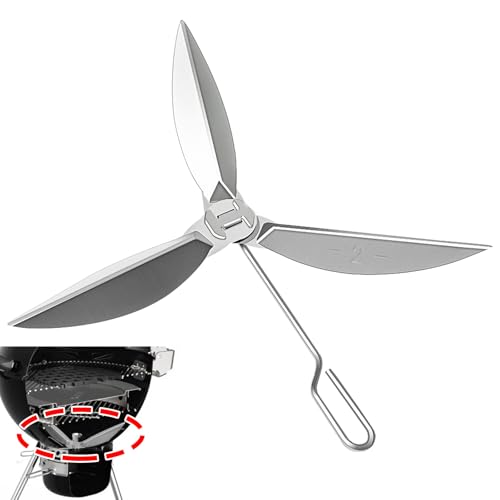

𝐓𝐡𝐞 𝐁𝐞𝐬𝐭 𝐂𝐡𝐨𝐢𝐜𝐞 — 𝐘𝐢𝐥𝐚𝐝𝐨𝐫 𝟐𝟐-𝟏/𝟐-𝐈𝐧𝐜𝐡 𝐎𝐧𝐞-𝐓𝐨𝐮𝐜𝐡 𝐂𝐥𝐞𝐚𝐧𝐢𝐧𝐠 𝐒𝐲𝐬𝐭𝐞𝐦 𝐑𝐞𝐩𝐥𝐚𝐜𝐞𝐦𝐞𝐧𝐭

Fits 22-Inch Weber Charcoal Grills: This replacement part fits 22-inch Weber Master-Touch, Performer, and Original series kettle grills, fitting on the inside surface of the grill and making it easy to clean up the ashes on the bottom of the grill
Natural Burn Out
After you’ve finished cooking, the natural burn-out method offers the safest approach to extinguishing your charcoal grill. This technique relies on radiant heat management through complete air flow reduction. You’ll close the grill lid and shut all vents entirely, starving the coals of oxygen and initiating gradual combustion cessation.
Allow the coals to cool slowly without disturbance for several hours. This passive cooling prevents thermal shock that could damage ceramic or metal components. After waiting at least one hour, carefully open the lid and use tongs to verify the charcoal’s cold status. Check for any remaining hot spots before handling. For additional grill maintenance, consider deep cleaning your grates with natural cleaning ingredients once the grill has fully cooled, using gentle methods like vinegar and salt to remove debris without damaging the surface, or apply a baking soda and vinegar paste for more stubborn buildup. Proper extinguishing prevents unwanted smoke and protects nearby items from potential fire hazards. Never leave your grill unattended while the charcoal is still burning to avoid property damage and safety risks. Keeping a fire extinguisher nearby during grilling enables quick response if flames unexpectedly flare up. For gas-powered grills specifically, use soapy water for gas leak detection to ensure safe operation.
Complete cooling requires up to 48 hours depending on coal material. Once fully cooled, you can safely dispose of ash in a non-combustible receptacle or save remaining charcoal for future use.
Water Dousing
While the natural burn-out method provides the safest long-term approach, you’ll sometimes need faster results. Water dousing rapidly extinguishes coals but demands careful execution to prevent injuries and grill component damage.
Pour water slowly over hot coals in small increments, stirring with a metal tool to distribute heat evenly. Stand back from the grill to avoid steam burns and flying embers. Wear heat-resistant gloves and keep your face away from the grill opening. Water dousing is the quickest method, cooling coals in just a few minutes compared to other extinction techniques. Use caution when pouring water to avoid creating hot steam.
However, this method soaks coals, eliminating reusable charcoal preservation opportunities. The sudden temperature change can crack your grill or cause rust in metal components, which corrodes metal over time and weakens the grill’s structure. Additionally, water creates acidic sludge on charcoal that can compromise heat distribution when charcoal is reused, complicating cleanup and future grilling sessions. Consider using grease catchers to manage drippings and protect your grill surface from damage during normal operation. To protect your grill long-term, consider using fire-resistant grill pads on decks or patios to prevent heat damage and grease drips during normal operation. After water dousing, ensure the grill is completely dry before storage to prevent further corrosion and maintain grill functionality.
Reserve water dousing only for emergency fire suppression. Never use this technique indoors or near children and pets.
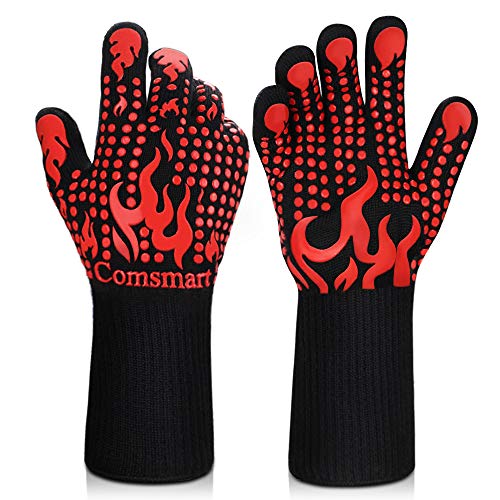
Heat Resistant: Our BBQ gloves are designed to provide protection for your hands while cooking, grilling, baking, or handling hot pots. With an instant heat resistance of up to 1472°F, these gloves are perfect for high-temperature cooking and baking.
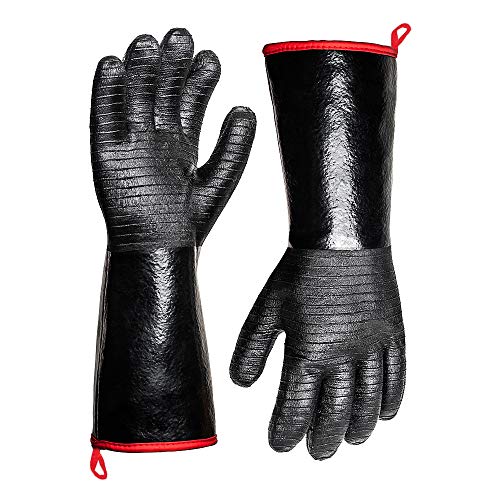
SAY GOODBYE TO BURNS! At 14” inches long, our BBQ gloves better protect fingers, hands and wrists from burns. And Our cooking gloves are heat resistant up to 932°F / 500°C .use this bbq accessories for your turkey fryer ,campfire,fireplace,charcoal,pit & barbecue gas grills as well

High Quality Oven Gloves Heat Resistant: Our oven mitts heat resistant baking supplies are crafted from premium quality aramid material. The heat resistant oven gloves are very strong, heat resistant and serve you for longtime.
Sand or Ash Covering
When you’re ready to extinguish your charcoal grill without water’s damaging effects, sand or ash covering offers a safer alternative that preserves your equipment. After timed cooling of 24-48 hours, cover your ash pile with a thick layer of dry sand to smother remaining embers securely. You can also employ ash layering by using residual ash from previous cooks to naturally suffocate fresh coals through oxygen deprivation.
Never cover hot coals directly, as premature covering risks reignition. Combine sand covering with closed vents to maximize oxygen restriction. Stir the ash thoroughly with a long-handled tool beforehand, verifying complete cooling by checking for warmth using a metal instrument. For ash and debris removal, bristle-free designs like those used in grill maintenance provide safe alternatives to traditional wire brushes that might leave residues. Charcoal can retain heat for a long time, so patience during the cooling period is essential before final containment. For stirring ash and debris, specialized tools like metal scrapers are more effective and durable than improvised alternatives. Always use heat-resistant metal containers when storing cooled ash to prevent accidental fires. Natural cleaning alternatives such as aluminum foil can also be used for post-grill maintenance once your charcoal has fully cooled. This methodical approach guarantees you’ve neutralized all hidden embers before final containment, protecting your grill and surrounding structures from fire hazards. Proper ash management contributes to extending your grill’s lifespan by preventing corrosion and damage from prolonged heat exposure.

FIREPLACE ASH BUCKET - Tote hot ashes from your wood stove, fireplace, or firepit to a safe disposal spot with this metal ash bucket. The smart design with lid and shovel keeps ashes inside while in transit and enables quick, easy, and safe cleanup.

【materials】 The ash tray made of stainless steel, Anti-fall and anti-burn, This is a good little ashtray for outdoor smoking.

THERMAL INSULATION- The bucket features a raised bottom and thermal insulation to prevent the ashes from heating up the floor, though it should be kept on hearth, stone, slate, or brick when in use, as the surface area still will be hot.
Fire Extinguisher Use
Why should you keep a fire extinguisher nearby your charcoal grill? Grease fires from charcoal grills require non-water extinguishers, making a properly rated unit essential for rapid response. You’ll want an ABC-rated dry chemical extinguisher, which handles Class A, B, and C fires effectively. For convenient accessibility, position grill-positioned extinguishers within arm’s reach but away from the fire source.
When deploying your extinguisher, use the PASS technique: Pull the pin, Aim low at the fire’s base, Squeeze the handle, and Sweep side-to-side. Match your extinguisher’s rating—such as 2A:10B:C—to anticipated fire sizes. Verify that your extinguisher displays official classification symbols on its nameplate to confirm it meets UL standards. After extinguishing, inspect your unit for damage and schedule cleaning extinguishers annually to maintain pressure and functionality. For grills exposed to outdoor elements, consider applying high heat spray paint to protect your extinguisher housing from rust and corrosion. Always verify the UL mark confirms testing under standardized conditions, ensuring reliable performance when you need it most. Remember that travel distance limits recommend positioning your extinguisher no more than 10 meters away from Class B fire risks like your grill to ensure you can reach it quickly in an emergency. In addition to fire extinguishers, keeping your grill clean with pumice-based cleaning bricks helps maintain your equipment and prevent grease buildup that could contribute to fire hazards. For long-term grill protection when not in use, a durable grill cover can help minimize debris accumulation and weather-related damage to your equipment.

Reliable Fire Protection: Stop basic home fires involving trash, wood, paper, liquids, gases, and electrical equipment

Reliable Fire Protection: Stop basic home fires involving trash, wood, paper, liquids, gases, and electrical equipment

Reliable Fire Protection: Stop basic home fires involving trash, wood, paper, liquids, gases, and electrical equipment
Safe Disposal and Cooling
After you’ve extinguished your charcoal grill’s flames, the cooling process is critical to preventing accidental fires and ensuring safe handling. Allow your grill to cool for a minimum of 1-2 hours before touching it. During this period, residual heat dissipation occurs as coals transform completely to ash.
Perform proper surface inspection using the back of your hand on both top and bottom grill surfaces. Confirm no visible embers or smoke remains before proceeding. Clear all ash buildup from previous sessions to facilitate even cooling. Adjust your grill’s vents to the closed position to minimize oxygen flow and accelerate the cooling process.
Once you’ve verified cool-to-touch status across all components, dispose of cooled ash in a metal container away from flammables. Double-check that vents and knobs remain in the off position. Only after complete cooling should you apply your grill cover to prevent moisture and corrosion damage. For additional deck protection during the cooling period, consider placing a flame-resistant mat underneath your grill to catch any residual ash or debris. A non-slip textured mat can also prevent your grill from shifting as it cools. Charcoal grills may require up to 24 hours to cool completely before covering, ensuring trapped heat and moisture do not cause rust. Premium grill mats designed for heat resistance can provide an extra layer of protection for your deck and surrounding areas during this extended cooling period. Keep your grill away from combustible materials to prevent fire hazards while it cools. For routine maintenance after cooling, use a firefighter-grade sponge brush to remove any remaining residue and keep your grill in optimal condition.
Preventing Common Mistakes
Even with the best intentions, you’ll likely encounter pitfalls that undermine your grill’s safe extinguishment if you’re not vigilant about common mistakes. Prioritize monitoring vent positions throughout the snuffing process—fully close both bottom and top vents simultaneously to eliminate oxygen supply. Resist reopening your lid prematurely, as this restarts combustion and defeats the snuffing method. Verify your vents aren’t clogged with ash residue, which impairs their functionality. Allow at least 48 hours of cooling time before handling materials. When managing ash, avoid contamination by removing the fire grate first to access central embers completely. You can reuse partially burned charcoal by collecting it after the grill has cooled completely and mixing it with fresh charcoal for your next grilling session. For routine ash removal and to prevent buildup that interferes with vent operation, use specialized grill cleaners to clear stubborn deposits from vents and grates. Maintaining clean exterior surfaces helps preserve your grill’s longevity and ensures all components function properly during the extinguishment process. Regular maintenance through grate cleaning techniques will extend your grill’s performance and reliability over time. To prevent streaks and water spots on stainless steel parts while cleaning, buff with a microfiber cloth after rinsing away any cleaning residue. Products like Trinova Stainless Steel Cleaner are particularly effective for removing smudges and leaving a protective finish on grill exteriors. Never dump hot ash directly into trash containers. Using heat-resistant gloves protects your hands from unexpected burns when handling ash and debris around the grill. Inspect your equipment’s condition beforehand; rusty or damaged vents compromise your extinguishment strategy entirely.

【3-Piece High-Value Set】 — Includes vent duct brush, lint trap brush, and flexible crevice tool. One kit replaces multiple single-purpose brushes — better value than buying separately.

【The Safest Bristle Free Grill Cleaner】:No wire bristles at all, no melting like nylon grill brushes; With this safe grill brush and scraper, your food will stay 100% Bristle Free. No more worry about swallowing some metal pieces, Let's free to gobble up some favorite barbecue! Save your effort and time, let’s just have fun! (PATENTED design)
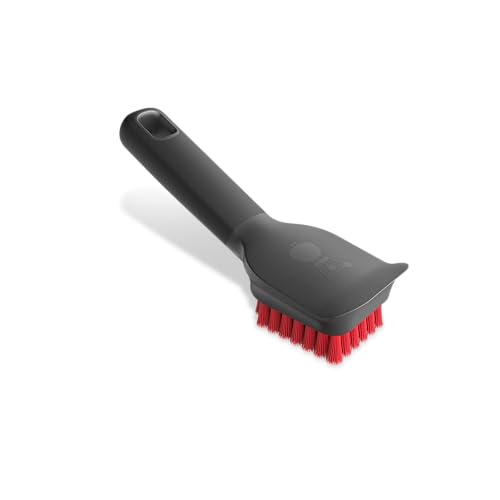
Multipurpose tool for grates, cookboxes, burners and more
When to Call for Professional Help
Following proper extinguishment procedures minimizes risks, but certain situations demand expert intervention before you continue using your grill. You should call professionals immediately if you detect a persistent gas smell after shutting off the tank, as this indicates a leak requiring repair. Inspect gas lines for cracks, bends, or brittleness—bubbling during soapy water tests confirms leaks needing expert attention. Similarly, scratched or nicked connectors require qualified technician replacement. Never attempt to repair the tank valve yourself, as this requires specialized expertise from a gas dealer or qualified appliance repair person. If a leak persists after a professional visit, contact the fire department immediately to ensure your safety and that of your home. Always ensure the coupling between the tank valve and regulator is securely connected before operating your grill. Keeping your grill in a well-ventilated outdoor space reduces the risk of gas accumulation and potential hazards. For optimal safety and longevity, verify that your propane hose has the correct pressure ratings and fittings compatible with your specific grill model. Selecting a regulator based on BTU output ensures your grill operates safely without performance issues. Regular inspection of burners and venturi tubes will help prevent fuel delivery issues that could compromise safety or performance.
For burn severity assessment, contact a nurse hotline at 231-935-0951 if you’re uncertain about injury severity. Third- and fourth-degree burns covering substantial areas or affecting the face, hands, or feet necessitate hospital evaluation.
Persistent safety issues warrant professional investigation. If charcoal remains dangerously hot after extinguishing, have a professional evaluate your grill before resumed use. Don’t attempt tank valve repairs yourself—always contact your gas dealer or repair person.