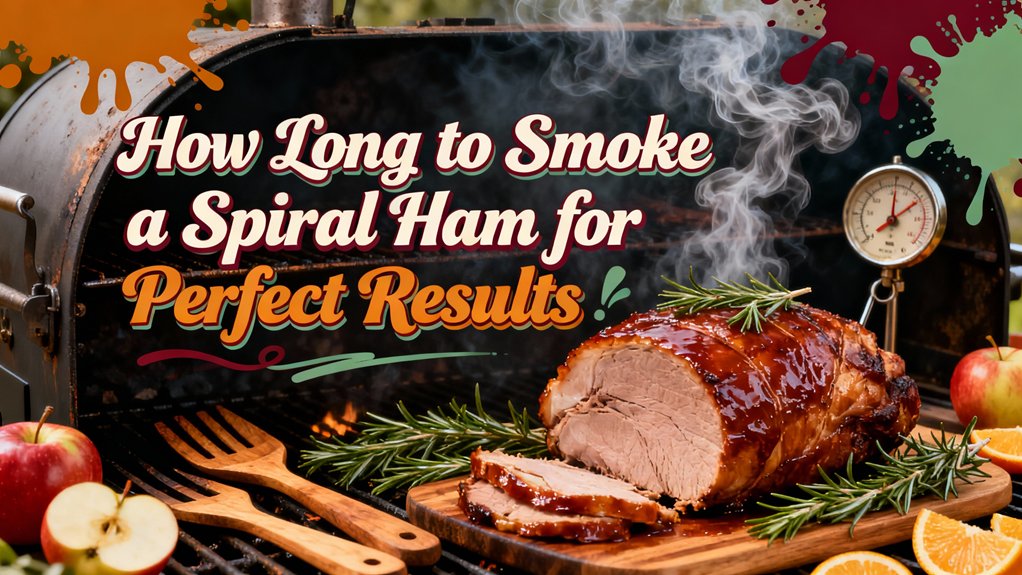
You’ll smoke your spiral ham to perfection in 4-5 hours total. Start with a dry smoke phase at 225°F for 1.5-2 hours using mesquite or hickory wood. Then transfer it to a cast iron skillet, increase the smoker temperature to 300°F, and continue for approximately 2 hours until you reach an internal temperature of 140°F. Monitor heat consistency carefully to prevent moisture loss. Understanding the nuances of glazing timing and wood selection will elevate your results considerably.
Basic Smoking Timeline for Spiral Ham
When you’re smoking a spiral ham, you’ll start with a dry smoke phase that lasts 1.5 to 2 hours at 225°F, positioning the ham cut side down directly on your grill grates. This initial phase allows smoke penetration across the entire ham surface using hickory or mesquite for ideal flavor development. Use mesquite or hickory wood to enhance the smoky flavor that pairs well with complementary glazes.
After dry smoking, you’ll transfer your ham to a cast iron skillet and increase your smoker temperature to 300°F. Wrap the skillet tightly with aluminum foil to begin the wrapped smoking phase, which continues for approximately 2 hours. The foil wrapping prevents drying during this critical stage while you maintain ham moisture retention through the braising liquid below. The braising mixture of chicken stock, bourbon, and maple syrup adds flavor and moisture to complement the meat and smoke. For a sweeter, milder smoke flavor profile, consider using apple or cherry wood instead of the more intense hardwoods. Look for kiln-dried logs that are bark-free and chemical-free to ensure cleaner burns and reduced contaminants during your smoking session. Add 1/2 to 1 cup of hickory wood chips per hour during the dry smoke phase to maintain consistent smoke production without overwhelming the ham’s natural sweetness. During smoking, radiant heat from the burning wood and charcoal transfers energy directly to the ham’s surface while hot air circulates throughout the smoker chamber.
Your total smoking duration typically ranges from 3.5 to 5 hours, though smoking duration adjustments depend on ham thickness, your specific smoker type, and internal temperature readings rather than clock time alone. Premium wood pellet brands like Lumberjack and Bear Mountain BBQ offer 100% natural hardwood options with no fillers that deliver consistent smoke flavor throughout your entire cook.

Hickory wood chips
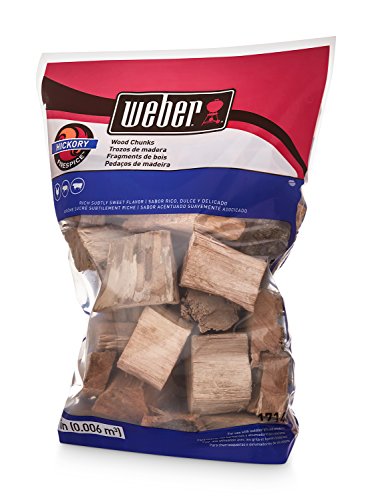
Hickory wood chunks

PREMIUM WOOD CHIPS: Made from all-natural wood that burns cleanly and evenly, these wood chips can be used on top of charcoal and in smoker boxes to deliver professional-level, mouth-watering results.
Temperature Guidelines for Smoking
Getting your smoker’s temperature right from the start will make or break your spiral ham’s final texture and flavor. You’ll want to preheat your smoker to 225°F for that initial dry smoke phase, then increase to 275-300°F during the braising stage. Temperature monitoring precision is critical—insert a leave-in thermometer into the thickest part, avoiding bone contact, and track progress to 140°F rather than relying on time estimates alone. Plan on allowing 4-5 hours of smoking time to reach your target internal temperature.
Consider your smoker capacity considerations when planning; larger units may require adjusted timing. Never exceed 325°F, as higher temperatures compromise moisture retention and smoke absorption. Pull your ham at 120-125°F internal before glazing to prevent overcooking, then raise heat post-glaze to reach your final 140°F serving temperature. Different types of wood can enhance the flavor profile of your smoked ham, with options like apple, cherry, or hickory each contributing distinct aromatic qualities. Just as with smoked turkey, the slow cooking over wood smoke develops deep flavor penetration and a distinctive character that sets it apart from conventional oven-roasted preparations. Monitoring the internal temperature is more reliable than strict timing, as outdoor conditions and smoker temperature consistency can affect the actual cooking duration needed. Maintaining a steady smoker temperature throughout the process ensures consistent heat distribution and optimal flavor development in your spiral ham. After removing from the smoker, let the ham rest for 10 to 15 minutes to allow the juices to redistribute throughout the meat, ensuring every slice remains moist and flavorful.
Pre-Cooked Versus Fresh Ham Differences
Now that you’ve mastered temperature control, understanding your ham’s starting point becomes equally important. You’ll encounter two distinct categories: pre-cooked and fresh hams, each demanding different approaches.
Pre-cooked hams arrive cured, smoked, or baked, requiring only reheating to 140°F internal temperature. Their pink color and firm texture result from curing salts and nitrites. You’ll find spiral-cut varieties fall into this category, preventing dryness during reheating. Smoking times generally range from about 20 to 30 minutes per pound to reach the optimal internal temperature for safe reheating. Consider adding fresh herbs or citrus to your roasting pan to infuse the ham with added aroma during the reheating process.
Fresh ham represents uncured, uncooked pork leg needing full cooking to 145°F minimum plus a three-minute rest. Without curing preservation, fresh ham retains its natural pork appearance and lighter coloring. Curing adds a piquant flavor compared to fresh ham’s milder taste profile. The ham should be smoked at a low to medium temperature, typically between 225°F and 250°F, to ensure even cooking and optimal flavor development. Be mindful that the curing process often introduces high sodium content, which can be a concern for those monitoring their salt intake.
For pre-cooked ham storage, refrigerate at 40°F like standard meat. Fresh ham cooking requires hot-smoking from raw state, demanding considerably longer smoking times and higher final temperatures than their pre-cooked counterparts. The smoking process itself mainly kills surface bacteria temporarily but does not greatly lengthen preservation without curing, which significantly extends shelf life.

Premium Boneless Dinner Ham with Natural Juices

Fully Cooked Flavor - The legendary artisan taste of Smithfield ham, now comes in a number of fully cooked options for your convenience.
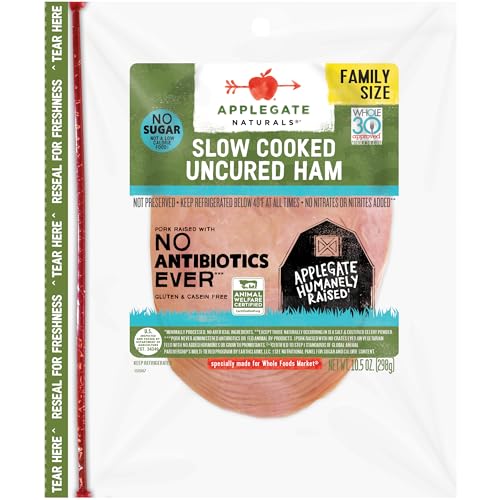
Applegate, Natural Uncured Slow Cooked Ham Family Size, 10.5oz
Glazing and Flavor Enhancement Techniques
A perfectly smoked spiral ham demands finishing touches that elevate its natural flavors through strategic glazing and seasoning applications. You’ll apply your dry rub 15 minutes to overnight before smoking, using a binder like Dijon mustard to guarantee adhesion. Temperature-based glazing begins when internal temperatures reach 100°F, allowing you to build layered flavor profiles through 3-4 brushings. Your glaze composition should combine brown sugar, honey, maple syrup, and pineapple juice for complexity. Rub layering techniques incorporate sweet and spicy elements that balance traditional ham characteristics. For optimal results, season your ham with Tomahawk Jim’s Cracked Pepper Sweet ‘n’ Heat evenly over the surface and between the slices to ensure complete flavor coverage. Spritz your ham with apple cider or juice every hour during the smoking process to maintain moisture and enhance the overall flavor profile. During the final cooking stage, apply high broil heat for 2-3 minutes to transform your liquid glaze into a caramelized crust. This finishing technique creates a glossy, flavorful exterior that enhances your smoked spiral ham’s presentation and taste profile. Allow the ham to rest for 10-15 minutes after smoking to enable carryover cooking and redistribute juices throughout the meat before slicing and serving. You can also brighten the finished ham’s rich flavors by squeezing fresh lime juice over the slices just before serving. For consistent smoking results across multiple cooks, consider investing in a quality pellet grill like the Traeger Woodridge Pro that offers precise temperature control and large hopper capacity. After completing your smoking session, clean your grill while it’s still warm to prevent buildup of food residue and grease that can affect future cooking results.

This product contains Natural Ingredients

FRUIT-FORWARD KICK: Premium cherry and apple juices blend with habanero mash, delivering a distinctive sweet and spicy glaze.

Sweet and tangy glaze specially made for ham
Pan and Equipment Preparation
Before you fire up your smoker, you’ll need to establish a proper foundation for smoking your spiral ham successfully. Position your ham directly on the cooking grate placement, ensuring the thicker section faces your heat source for ideal smoke penetration. For the glazing phase, shift your ham into a disposable foil pan presentation with the cut-side down, which simplifies cleanup and captures valuable drippings for sauce enhancement.
Elevate your ham using a wire rack positioned in a half-pan to promote even heat circulation underneath. Loosely tent aluminum foil over the meat to prevent excessive browning during extended smoking. Have your Thermapen ONE ready for precise internal temperature monitoring, inserting the probe into the thickest section. Keep your Thermoworks silicone brush accessible for basting applications throughout your smoking process. Prepare your smoker at 250 degrees with hickory, pecan or fruit woods to establish the ideal cooking environment before placing your ham on the grates. If you need to elevate your smoker for better stability or clearance, you can safely position it on cinder blocks since they’re non-combustible and won’t warp from the heat. Once you’ve finished smoking, let the smoker cool completely before placing a waterproof cover over it to protect your equipment from the elements and extend its service life. For long-term equipment protection, consider investing in a heavy-duty vinyl cover that resists cracking, fading, and weather elements while offering UV resistance for extended outdoor durability. If you’re smoking on a wooden deck, place a heat-resistant grill mat underneath your smoker to protect the surface from grease spills, splatters, and potential heat damage. For serious outdoor cooking enthusiasts planning regular smoking sessions, a grill gazebo with roof provides weather protection and dedicated prep space with integrated counters, electrical outlets, and shelving to keep all your equipment organized and accessible.

QUALITY STAINLESS STEEL CONSTRUCTION: Made from food grade stainless steel instead of metal plating or coating, the grill is stronger, more durable, less likely to rust, warp or bend and more safe.
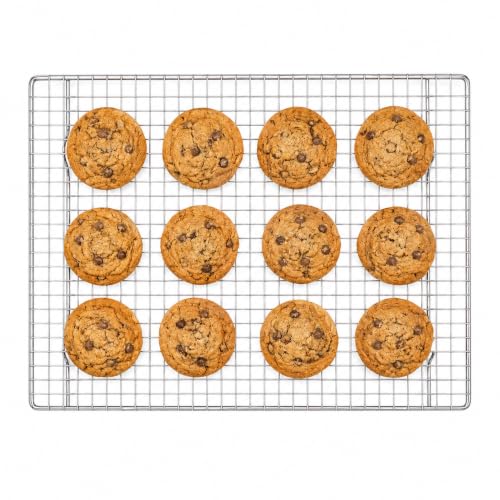
Mrs. Anderson's Baking Professional Half Sheet Cooling Rack: Elevates baked goods above countertops for better airflow and faster cooling; promotes even heat circulation for consistent baking results and crisp textures for everyday baking, food preparation, and holiday traditions

PREMIUM THICK BAKING SHEET: Unlike other pans that are too thin or have a coating that peels and rusts, our baking tray is made of a thick aluminum gauge with a reinforced steel rim that ensures even heat distribution without warping or twisting. Owing to its pure aluminum construction, the pan is oven safe up to 500ºF / 260ºC, no need to worry about deformation or harmful coating peeling off through numerous uses
Achieving Optimal Results and Doneness
Since you’ve prepared your equipment and positioned your ham correctly, you’ll now focus on precise temperature management and timing to achieve perfectly smoked spiral ham. Handling smoker calibration guarantees accurate heat zones; verify your thermometer reads correctly before starting. Maintaining smoke consistency requires monitoring fuel and ventilation throughout all three phases.
You’ll begin with a 1.5-hour dry smoke at 225°F, then increase to 300°F for braising. Pull the ham at 120-125°F internal temperature if precooked, or continue until reaching 140°F for reheated spiral ham. Insert a leave-in thermometer for real-time tracking rather than relying on elapsed time alone. Apply a glaze after ham reaches 110°F internal temperature to enhance flavor and create an appealing exterior finish.
Variables like ham size, thickness, and external temperature affect total duration. Expect 1.5-4 hours total smoking. Select wood pellets like apple, cherry, or maple to enhance the smoky flavor without overpowering the meat. For those seeking bolder flavor profiles, hickory pellets deliver a robust, smoky-sweet taste that pairs exceptionally well with pork, though 100% pure hardwood options without fillers provide the cleanest burn and most consistent results. Cherry wood produces a mild, fruity smoke that complements the natural sweetness of ham while imparting an attractive mahogany color to the exterior. Quality pellets like Lumber Jack ensure minimal ash production and efficient burn rates for consistent temperature control throughout your smoke. After smoking, resting the meat for at least 30 minutes allows juices to redistribute throughout the ham for optimal tenderness. Use your meat thermometer as your primary doneness indicator, achieving the ideal 140-145°F range for perfect results.
Selecting the Right Smoker Type
Now that you’ve mastered temperature control and timing, your choice of smoker type will greatly impact your ham’s final quality and cooking efficiency. Pellet smokers like the Traeger Timberline XL offer precise temperature management at 250 degrees, though smoker price considerations may factor into your decision. Offset smokers excel with store-bought spiral hams and glazing applications, providing versatility for holiday cooking. Charcoal bullet smokers like the Weber WSM deliver even smoke distribution while maintaining lowest temperature settings to preserve moisture. Electric smokers work quickly for pre-sliced hams with minimal drying risks. When evaluating smoker portability concerns, consider your space and frequency of use. For backyard cooks seeking maximum flexibility, smoker-grill combo units balance dedicated smoking performance with direct grilling capabilities in a single versatile platform. Budget-friendly pellet options like the Pit Boss 440 SERIES feature digital temperature control and rust-resistant finishes, making them ideal for novices without sacrificing performance. The Z Grills 700D3 stands out with its 20 lb. pellet hopper that conveniently matches standard pellet bag sizes, reducing waste and simplifying refills during extended cooking sessions. Key features like hopper capacity in pellet models and insulation quality affect both cooking consistency and fuel efficiency during long smoking sessions. Gas grill hybrids often incorporate stainless steel burners and heat shields to ensure even temperature zones when switching between smoking and grilling modes. Each type accommodates spiral hams effectively; your priority determines the best choice.

✅ This accessory is designed to WORK IN ANY GRILL (gas, electric or charcoal) and with any smokers. It ADDS GREAT FLAVOR for your meat or fish and exposes them to a tasteful smoke of smoldering wood. Perfect for smoke cheese.
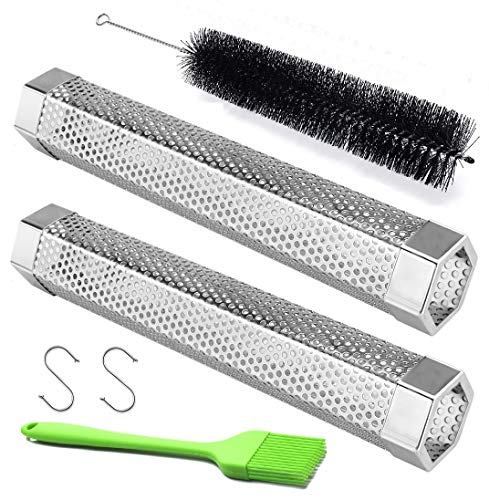
【Works with All Grills and Smokers】- This pellet smoker tube is compatible for electric, gas, charcoal, pellet grills, any type of grills of any size and shape. It can be used with various wood pellets, such as cherry, hickory, mesquite, apple, pecan to add different tastes.
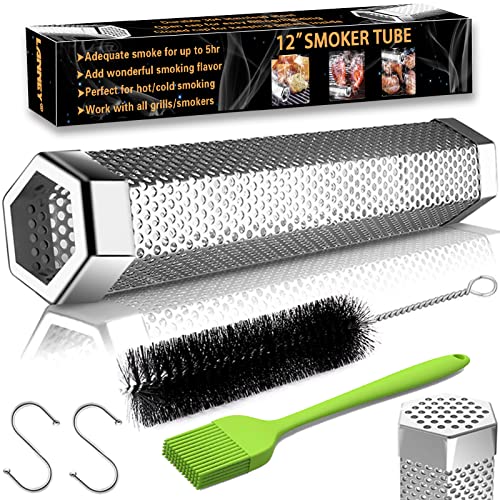
【BILLOWING SMOKE AND BIG CAPACITY】 The pellet smoker tube has massive density diffusion holes on its body. So the smoker tube can let air come in, diffusing smoke efficiently and evenly to your food. The perforated design and hexagon shape of tube smoker allow the pellets stay lit the fully burn to provide constant smoke. With a length of 12 inches large capacity, the wood pellets smoker tube is capable of holding enough pellets and will produce abundant quantity of smoke up to 5hrs
Preparing Your Ham Before Smoking
Proper preparation guarantees your spiral ham smokes evenly and retains maximum moisture throughout the cooking process. Begin with packaging removal, carefully inspecting the underside of the bone to locate and discard the plastic disk—a critical step preventing contamination during smoking. Wipe the ham’s surface with a paper towel to affirm cleanliness.
Next, position your ham cut side down directly on smoker grates, centering it carefully for balanced heat distribution. Place thicker portions toward the heat source. If desired, apply a dry rub using avocado oil as a binder, though seasoning remains optional since pre-cooked ham only requires reheating. Before smoking, ensure your grill’s drip pans are clean to prevent potential grease fires during the extended cooking process. Regular cleaning and applying oil after each use helps maintain your grill and prevents rust from forming on cooking surfaces. For stubborn grease buildup, use natural degreasers like baking soda and vinegar to safely clean without exposing your food to harsh chemicals. Additionally, remove debris from burner ports to ensure proper heat distribution and prevent uneven cooking temperatures.
Before smoking begins, insert a meat thermometer into the thickest portion. You’ll monitor for a target internal temperature of 140-145°F, verifying your ham heats through perfectly without drying out. Since spiral cut hams are already fully cooked, you’re simply reheating them to infuse smoky flavor while maintaining tenderness. For mess-free grill cleaning after smoking, consider using a spray-on cleaner that cuts through baked-on grease without extensive scrubbing.
Resting and Serving Your Smoked Ham
Why does resting matter after you’ve finished smoking your ham? Resting allows internal temperature to stabilize through carryover cooking—your ham climbs from 135°F to approximately 145°F during a one-hour rest. This process redistributes juices throughout the meat, implementing vital moisture retention strategies that prevent excessive fluid loss when you slice.
Wrap your ham in foil during this period to maintain heat and protect the caramelized glaze. A minimum 15-minute rest suffices, though extended resting enhances results greatly. For best results, allow your ham to rest for 15 minutes after removing it from the smoker before carving. Ensure your ham has reached an internal temperature of 140°F before beginning the resting period. Using a meat thermometer is essential to verify your ham has reached the proper temperature before resting. A wireless grill thermometer allows you to monitor your ham’s temperature remotely without lifting the lid, ensuring consistent heat throughout the smoking process. For precise temperature verification, an instant-read thermometer provides quick checks to confirm your ham has reached the target temperature. Models like the Thermapen ONE deliver one-second readings with precision, making temperature verification fast and reliable during the resting phase.
After resting, carve your spiral ham and serve immediately to maintain ideal serving temperature and flavor profile. Your ham structure remains intact due to its spiral-cut design, allowing efficient portioning. Just as you would transport a propane tank upright in a well-ventilated area when handling your grill equipment, always handle your rested ham with care to preserve its quality. Serve within two hours of resting completion for maximum quality.