
You’ll smoke your precooked ham at 225°F for approximately 1.5 to 3 hours during the initial smoke phase, allowing smoke flavor to develop. Then you’ll raise the temperature to 300°F and tent with foil for the remaining 1.5 to 2 hours until reaching an internal temperature of 140-145°F. This two-phase approach balances smoke penetration with moisture retention. For ideal results and advanced glazing techniques, there’s considerable detail worth exploring.
Understanding Precooked Ham Smoking Times
Smoking a precooked ham requires you to balance time, temperature, and moisture retention to achieve ideal results. You’ll typically need 3-5 hours total, depending on your ham’s size and your smoking environment setup. Start at 225°F for the initial 1.5-3 hours to develop smoke flavor, then raise the temperature to 300°F and cover with foil to conserve moisture. You’re aiming for an internal temperature of 140-145°F for perfect reheating. Consider adding apple cider and orange slices to your skillet to enhance the ham’s natural sweetness and add aromatic complexity.
Remember that you’re cooking to temperature, not time. Use a meat thermometer for accuracy throughout the process. Sweet woods like cherry or apple create a more gentle smoke flavor that complements the precooked ham without overpowering it. For a richer, more robust wood-fired flavor, Smokin’ Pecan pellets deliver superior smoke production and clean burn characteristics that work exceptionally well with pork. For larger hams, you can estimate approximately 40 minutes per pound as a general guideline for planning your smoking session. Different types of wood can significantly impact the final flavor profile, so experimenting with wood combinations allows you to discover your preferred taste. A homemade glaze made from ingredients such as honey and brown sugar along with apple juice, cinnamon, and cloves can be applied during the final stages of smoking to create a sweet and savory finish. After reaching your target temperature, implement proper resting and slicing techniques by allowing your ham to rest 15 minutes before carving. This resting period guarantees juices redistribute, enhancing tenderness and flavor in every slice. Maintaining a low and steady temperature throughout the smoking process ensures even heat distribution and consistent smoke penetration for optimal flavor development.

HICKORY WOOD FIRED FLAVOR: Traeger Hickory Hardwood Pellets are great for naturally enhancing beef, chicken, pork, and veggies with full-bodied, bold flavor. So it should come as no surprise that Hickory’s assertive flavor is one of the most popular choices for classic BBQ cooking.

PECAN WOOD FIRED FLAVOR: Traeger Pecan Hardwood Pellets offer an ultra-versatile, slightly nutty flavor that works with any meat, not to mention veggies, fish, and even baked goods.

KINGSFORD CRAFTSMOKE PREMIUM WOOD PELLETS: Introducing Craftsmoke, the premium line of natural hardwood pellets, crafted in small batches for the chef in all of us; pack may vary
2. Temperature Management Throughout the Smoking Process
Maintaining precise temperature control is critical to successfully reheating your precooked ham while developing rich smoke flavor and preserving moisture. You’ll start at 225–250°F for the initial smoke phase, then potentially increase to 275–300°F during glazing to accelerate the process. Set your air-temperature low alarm to 270°F and high to 305°F during ramp-up phases. For probing accuracy, insert your wireless meat probe into the thickest section, avoiding bone contact, and calibrate your alarm adjustment to 140°F as your target. Fully cooked, ready-to-eat hams need to be reheated to an internal temperature of just 140°F, which is lower than raw pork requirements. Unlike raw pork where higher temperatures break down collagen, precooked ham only requires gentle reheating to restore optimal eating temperature. Monitor pit temperature closely throughout, especially during foil-covered phases at 225°F. Use a reliable thermometer to ensure accurate temperature readings throughout the smoking process. For optimal ambient temperature accuracy during extended cooks, consider using a wireless meat thermometer with app connectivity for hands-off monitoring. Multi-probe Wi-Fi systems enable remote monitoring so you can track both meat and pit temperatures simultaneously without constantly opening your smoker. If you need extended range to monitor from inside your house, choose models with radio-frequency connectivity over Bluetooth-only designs for superior through-wall performance. If you’re using a propane smoker, be aware that typical cooking time on a full 20-pound tank ranges from 18 to 20 hours at medium BTU ratings, ensuring you won’t run out of fuel during your cook. You’ll verify final results with spot-checks using an instant-read thermometer, confirming uniform doneness across multiple areas before resting your ham.
3. Preparing Your Ham Before Smoking
Proper preparation is foundational to achieving ideal results when smoking a precooked ham. You’ll start by scoring the fat cap with a diamond pattern using a paring knife, which enhances fat rendering and allows seasoning penetration. Stud each diamond with whole cloves for flavor infusion.
Apply your custom spice rub—combining ground cardamom, cinnamon, ginger, allspice, salt, and coconut palm sugar—evenly across the entire exterior. Season the night before smoking to guarantee spice permeation. Lightly coat with olive oil before seasoning application. You can also use a store-bought BBQ rub as a convenient alternative to a homemade blend.
Position your ham cut-side down in a disposable aluminum pan sprayed with cooking spray. This placement retains moisture during the smoking process. Remember that your ham is already cooked and safe to eat, so the goal is simply to warm it through and enhance the flavors with smoke. Line your roasting pan with foil for easy cleanup and secure positioning in your smoker.
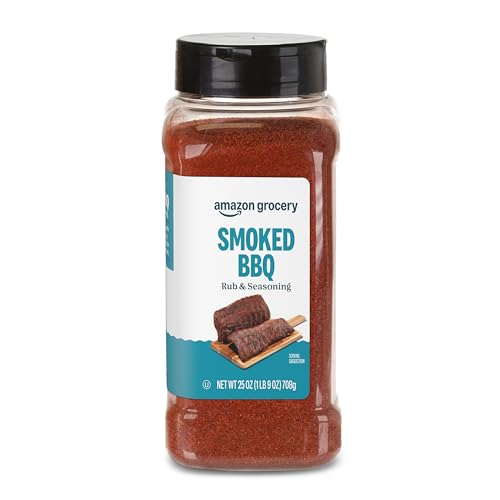
One 25 ounce container of Smoked BBQ Rub & Seasoning

The perfect combination of sweet and smoky flavors

4. Setting Up Your Smoker for Optimal Results
With your ham prepped and seasoned, you’ll now focus on your smoker itself—the vessel that’ll transform your carefully prepared meat into a succulent centerpiece. Start by selecting quality hardwood chunks or charcoal as your fuel source quality directly impacts flavor consistency and heat stability. Verify your cooking chamber insulation by sealing gaps around doors and vents, which prevents temperature fluctuations that compromise results.
Install dual-probe thermometers—one for ambient temperature monitoring and another for internal meat checks. Calibrate both devices before smoking to guarantee accuracy. Position your thermometer at grate level where your ham’ll sit. Remember that temperature serves as a compass, guiding the flavors and textures of your precooked ham through the smoking process. Maintaining steady airflow and fuel management prevents dangerous temperature spikes that would compromise the gentle reheating your precooked ham requires.
Adjust intake and exhaust vents to establish steady airflow, targeting 225°F. Make incremental fuel additions rather than loading heavily, preventing dangerous temperature spikes. For wood selection, red oak or post oak deliver a balanced smoke flavor that enhances pork without overpowering the meat’s natural sweetness. If you prefer a bolder flavor profile, consider blending hickory with oak at a 60% oak to 40% hickory ratio to prevent overpowering the ham’s natural sweetness. If using lump charcoal, expect hotter burn temperatures and cleaner combustion compared to briquettes, which maintain lower, steadier heat for extended smoking sessions. For pellet smoker users, Royal Oak 100% charcoal pellets offer superior heat output and water resistance compared to blended alternatives. Consider installing detachable mounting systems if you plan to smoke on a boat, as they provide stability while allowing for easy stowage when not in use. This methodical setup guarantees your smoker maintains the stable environment precooked ham demands for ideal reheating and smoke absorption.

ALL NATURAL HICKORY WOOD CHUNKS: These smoking wood chunks are crafted from 100% hickory hardwood without any harsh chemicals. They naturally enhance chicken, pork, beef, and seafood with a slightly sweet, powerful smoke flavor and a deep color.
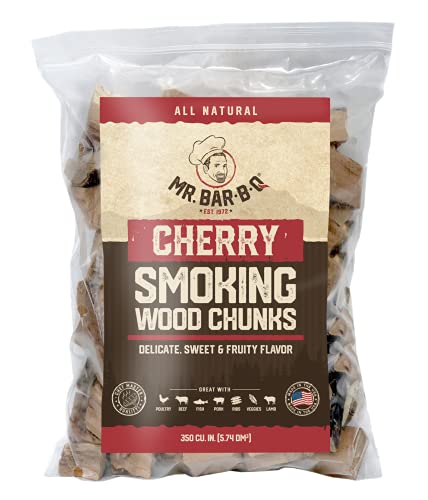
PREMIUM CHERRY WOOD CHUNKS FOR SMOKERS - Add sweet, fruity flavor to your backyard BBQ with Mr. Bar-B-Q wood chunks for smokers. This 3.5 lb bag of cherry wood chunks delivers rich, aromatic smoke that enhances beef, pork, poultry, fish, and vegetables.

ALL NATURAL CHERRY WOOD CHUNKS: These smoking wood chunks are crafted from 100% cherry hardwood without any harsh chemicals. They naturally enhance chicken, pork, beef, and seafood with a sweet, fruity, and mildly nutty flavor and a deep, rich color.
5. Maintaining Moisture During the Smoking Phase
Keeping your ham moist requires you to protect its natural juices throughout the smoking process. Position the fat cap upward so it gradually bastes the meat during smoking, acting as natural insulation against moisture loss. You’ll want to apply barbecue sauce or glaze every 10 to 15 minutes, adding surface moisture while building flavor layers.
Managing humidity fluctuations inside your smoker prevents excessive drying. Use thin blue smoke from applewood or cherry wood—avoiding white smoke that introduces bitter compounds. Place your temperature probe away from bone to get accurate readings without compromising moisture retention. Rest the ham for 15 to 20 minutes after pulling it from the smoker to allow carryover cooking to complete while redistributing juices throughout the meat. Loose foil tenting midway through smoking reduces overwhelming smoke accumulation while maintaining heat circulation. Smoking imparts a depth of flavor that cannot be achieved through other cooking methods. The slow smoking process develops a firmer texture similar to smoked turkey, creating a distinct contrast to conventional oven-heated preparations. These techniques work together strategically, ensuring your precooked ham emerges tender and juicy.


1.8 LB APPLE WOOD CHIPS FOR SWEET & FRUITY SMOKE FLAVOR – Elevate your grilling and smoking with this 1.8-pound bag of premium apple wood chips, ideal for infusing meats, poultry, seafood, and veggies with a mild, sweet, and fruity aroma. Perfect for use in charcoal grills, gas grills, electric grills and smokers, these high-quality smoking chips deliver consistent flavor and slow, even smoldering for delicious results.

MATERIALS: Made from 100% natural seasoned hardwood with no unwanted byproducts, our wood chunks burn cleanly and evenly.
6. Monitoring Internal Temperature for Doneness
Three critical temperature targets’ll guide your smoking process: you’ll initially bring your precooked ham to 130–135°F to begin glazing, then push it to the final 140°F mark that guarantees both food safety and ideal tenderness. Insert your thermometer probe into the thickest section, avoiding bone contact. Due to uneven heat distribution at 225°F, spot-check multiple areas across different sections. Withdraw your probe slowly to identify temperature gradients and detect undercooked zones. This multi-point verification prevents inconsistent doneness. For precooked ham, you only need to reach an internal temperature of 120°F to avoid drying out the meat while still allowing adequate smoke absorption. As you increase smoker temperature to 275–300°F during glazing, monitor continuously with alarm systems to prevent overshooting your 140°F threshold. Uniform heating becomes critical during this final phase when temperature rises rapidly. After reaching your target temperature, allow the ham to rest for at least 30 minutes to retain juices and ensure even moisture distribution throughout the meat. When smoking a twice smoked ham, ensure your label indicates “Fully Cooked” or “Ready to Serve” so you’re working with properly prepared meat that requires only reheating and flavor enhancement. Similar to turkey smoking at higher temperatures, maintaining 165°F in the thickest part ensures proper doneness while preventing moisture loss. Just as with smoked salmon, always store leftovers properly by keeping them refrigerated in an airtight container to maintain quality and safety. For optimal freshness, consume opened smoked ham within 4-7 days when kept refrigerated at temperatures just above freezing. Consider using a covered roasting pan with a small amount of water or broth if you need to maintain extra moisture during the final reheating phase.
7. Wood Chip Selection and Smoke Management
Since wood choice directly influences both smoke intensity and final flavor profile, you’ll want to select varieties that complement rather than overpower your ham’s cured character. For precooked ham, apple and cherry woods deliver mild, sweet profiles ideal for maintaining the meat’s natural taste. You’ll achieve superior results by using blended wood chip combinations—a half-apple, half-cherry mixture creates balanced flavor without dominance.
During smoking, maintaining consistent smoke profile requires steady wood chip additions throughout your cook time. Add chips continuously rather than all at once to prevent over-smoking and bitter flavors. Chip form burns more predictably than larger pieces, giving you better temperature control. Pecan wood’s slow burn rate also prevents over-smoking while providing a gentle, nutty fragrance that complements ham without overwhelming it. While hickory chips offer a rich, smoky flavor that works well across proteins, their intensity may overpower delicate ham unless used sparingly. Maple provides a milder option for those seeking subtle sweetness without overwhelming the ham’s delicate cured flavor. Cherry wood imparts an attractive mahogany color to meats along with its fruity smoke, making it particularly well-suited for ham’s presentation. Avoid softwoods like pine, which contain resins that create acrid smoke and burn too quickly for controlled smoking. Keep your smoker vents open enough to maintain clean, faintly blue smoke that won’t impart harsh or acrid notes to the meat. Monitor your smoke output carefully, adjusting chip frequency based on the intensity you’re targeting for your finished ham.

3-FLAVOR VARIETY PACK: Includes Apple (sweet & mild), Hickory (bold & smoky), and Cherry (subtle & fruity) wood chips for ultimate grilling versatility

[4-Flavor Smoking Wood Chips Variety Pack for Smoker] This smoking wood chips variety pack includes Apple, Cherry, Hickory & Oak—four classic hardwood flavors designed to suit different meats and smoking styles. Ideal wood chips for smoker users who want flexibility, balanced smoke intensity, and authentic BBQ flavor across every cook.
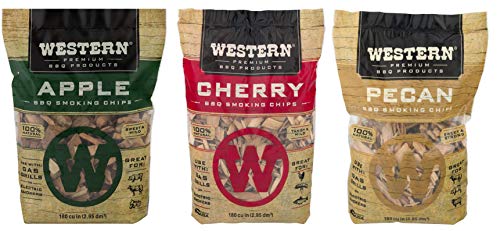
Variety 3 Western Premium BBQ Smoking Chips (Flavors: Apple, Cherry, Pecan), 180 Cubic Inches per bag
8. Finishing Techniques and Serving Your Ham
With your smoke management dialed in, you’ll now focus on the final stages that transform your ham into a glazed centerpiece. Begin glazing techniques when your ham reaches 110-130°F internally, brushing heated glaze every 10-15 minutes over your 30-45 minute application window. The heat guarantees smoother adherence and superior coverage. After reaching your target temperature of 120°F, remove the ham and rest it 10-30 minutes under loose foil, allowing juice redistribution throughout the meat. Reserve pan drippings and remaining glaze for ham presentation. Slice your ham and drizzle the reserved glaze mixture over each portion, enhancing both visual appeal and flavor depth. Monitor the internal temperature with a leave-in probe thermometer to ensure accuracy throughout the cooking process. For precise temperature tracking during longer smokes, consider wireless monitoring options that offer app-enabled dual-probe setups and extended range capabilities. For optimal results, pair your smoked ham with classic sides such as scalloped potatoes, sweet potato casserole, and green bean casserole to round out your meal. If you’re using a propane-powered smoker, ensure the tank valve is closed when not in use and check that connections remain clean for safety and proper gas flow. Using a disposable pan underneath the ham can ease cleanup while catching flavorful drippings. If reheating leftover portions later, use low oven temperatures around 250-350°F with added broth or stock in a covered dish to maintain moisture. When properly stored in the refrigerator at consistent temperatures, your leftover smoked ham will keep for up to 4 days, or you can freeze portions for 2 to 3 months to extend shelf life. This final step elevates your smoked ham from respectable to restaurant-quality.