You’ll grill chicken wings perfectly in 25-30 minutes on indirect heat, then finish with 30-45 seconds per side over direct flame. Target an internal temperature of 175-195°F using an instant-read thermometer. Gas grills require 18-25 minutes at 400°F, while charcoal needs 20-25 minutes with frequent flipping. Flip every 4-5 minutes for even crisping, apply sauce after 20 minutes, and let wings rest 5-10 minutes post-grill. The specific method you choose depends on your grill type and heat management strategy.
The Two-Phase Grilling Method: Indirect and Direct Heat
The two-phase grilling method—indirect heat followed by direct heat—is the gold standard for achieving perfectly cooked chicken wings with crispy skin and juicy meat. You’ll start by establishing your dual-zone setup: position your coals placement strategically, piling them on one side while leaving the other empty. This configuration enables proper airflow management through your vents, creating the convection zone necessary for even cooking.
During the indirect phase, you’ll cook your wings for 25-30 minutes with one flip at the midpoint, keeping the lid closed to maintain consistent heat circulation. The hot charcoal embers generate intense radiant heat that cooks the wings from below, working together with the circulating hot air inside the closed grill. To ensure your grill maintains optimal temperature throughout the cooking process, periodically check grill temperature and adjust your vents as needed. Once they’re cooked through, you’ll move them to the direct heat side for 30-45 seconds per side, creating that desirable crispy exterior. For best results, pat your wings dry with paper towels before grilling to help the skin crisp up. Similar to smoking, you’ll want to ensure your wings reach an internal temperature of 165°F for food safety. Before starting, make sure to trim any excess fat from the wings to prevent flare-ups and promote even cooking. For enhanced flavor, consider marinating the chicken for at least 30 minutes before grilling to improve both taste and tenderness. This two-phase approach guarantees your wings cook evenly inside while developing an appetizing char outside. After grilling, allow your wings to rest for 5-10 minutes to retain their juices and ensure optimal texture before serving.
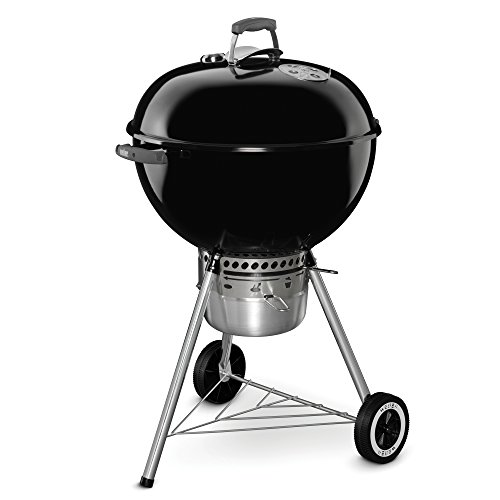
This premium Weber kettle grill has space to hold up to 13 burgers made with a Weber burger press; The durable-plated steel cooking grate, crafted from premium steel, offers a resilient surface that stands up to the demands of frequent grilling

Ultra Portable & Compact Folded Design:Folds down to a slim 16.1" x 9.8" x 12.2" (41cm × 25cm × 31cm) for easy storage and transport. Sets up in seconds with built-in legs – perfect for camping, beach trips, picnics, and tailgating

Gas and charcoal combination grill with additional side burner for ultimate cooking versatility - Dual fuel grills, sometimes called combo grills or dual-function grills or multifuel grills, are a newer style of grill that combines the best of charcoal grilling along with the convenience of a gas grill in one
Temperature Targets for Perfectly Cooked Wings
While the USDA sets 165°F (74°C) as the minimum safe internal temperature for chicken, you’ll want to aim higher for genuinely exceptional results. Target 175°F (79°C) for optimal chicken wing doneness precision, where connective tissue dissolves into gelatin, delivering fall-off-the-bone tenderness with crispy skin. For ultimate separation, push toward 185–195°F, though 195°F represents the maximum recommended threshold to prevent desiccation.
Your wing internal temperature range determines texture and juiciness. Use an instant-read thermometer like a Thermapen, checking the thickest meat portions while avoiding bone contact. Turning the wings every 4 minutes ensures even crisping across the entire wing surface during the cooking process. Preheating your grill to 425 degrees F before adding the wings helps establish the consistent temperatures necessary for even cooking. For professional-grade results, consider grills with adjustable charcoal trays that provide precise draft control and temperature management throughout the cook. Apply sauce around 150–160°F to prevent burning. Frequent temperature monitoring preserves even doneness across all wings, guaranteeing consistent quality from batch to batch. Allowing the wings to rest for 5 minutes after grilling helps retain their natural juices before serving. Wings are typically cooked over medium heat around 350°F to an internal temp of 160°F and then finished with a higher heat sear to crisp the skin. This temperature range between 300 and 400 degrees Fahrenheit provides enough heat to brown and tenderize the meat without harsh charring. For two-zone fire setups, place wings on the cooler indirect side to cook through gently before moving them to the hot zone for final crisping.
Timing Guidelines by Grill Type and Heat Level
Now that you’ve got your temperature targets locked in, you’ll need to adjust your cook time based on your specific grill setup and heat level. Gas grills offer the quickest results—18-25 minutes total at 400°F with frequent flipping. Charcoal grills demand more attention to fuel management strategies and charcoal grill maintenance. Direct heat on charcoal requires 20-25 minutes at 400°F, flipping every 5 minutes for even charring. Indirect heat takes longer: 45 minutes to 1 hour, then 2-3 minutes direct heat for crisping. Mid-range heat methods need 25-30 minutes with consistent flipping every 3-5 minutes. Two-zone cooking provides ideal results: 20 minutes per side indirect, then 30-45 seconds per side direct heat. For best results, pat your wings dry before applying any seasoning to maximize crispness. Skip marinating and instead apply a dry rub with baking powder to achieve the crispiest skin possible. Brining beforehand can enhance tenderness and moisture if you prefer a juicier result. If you’re also grilling vegetables, consider using foil packet cooking to prevent smaller items from falling through the grates while maintaining even heat distribution. After grilling, resting the wings wrapped in foil for about 10 minutes helps keep the meat moist and tender. Similar to smoking meats like chuck roast, resting wrapped in foil allows juices to redistribute throughout the meat for better tenderness. Always verify 165°F internal temperature before serving. To ensure even cooking, flip halfway through the grilling process regardless of which method you choose.

Features a blend of natural flavors and seasonings, including garlic and rosemary

Citrus and spice seasoning for chicken dishes

1 bottle of 25 oz seasoning with dual door spice cap
Mastering the Flip and Sauce Technique
Proper flipping technique and strategic sauce application will make or break your grilled wings. You’ll achieve uniform charring by flipping every five minutes at medium heat (350-375°F), rotating positions constantly to address hot spots. Apply sauce after twenty minutes, then reapply with each subsequent flip for layered flavor development. This flip-sauce cycle builds complexity while promoting even browning on both sides.
Monitor internal temperature, targeting 175-180°F for ideal tenderness. Watch for crispy nubs signaling readiness to shift wings to direct heat for final caramelization. Move overly darkened wings to the cool zone temporarily, preventing burn while maintaining cooking momentum. Pat wings dry before grilling to remove excess moisture and ensure better browning and crispiness. Use dry rubs for bold flavor to enhance taste without adding extra liquid that could compromise texture. Adding sauces later in the grilling process helps prevent burning while allowing flavors to develop properly. After grilling, rest the chicken for several minutes to allow juices to redistribute throughout the meat. Your consistency during these cycles guarantees crispy exteriors without soggy patches, delivering restaurant-quality results every time.

BUFFALO WILD WINGS – Treat yourself to the great flavors that are known around the world from the famous franchise.


Resting and Finishing for Optimal Results
Your wings aren’t done the moment they leave the grill—the resting phase is where tenderness and juiciness truly develop. Allow your wings to rest for 5-10 minutes, enabling juices to redistribute evenly throughout the meat for juiciness preservation.
Next, brush your rested wings with barbecue or hot sauce, then return them to indirect heat for 5 minutes. This allows the glaze to thicken and adhere properly without burning.
For your final textural quality enhancement, move wings to direct heat for 30-45 seconds per side, developing crispy, blistered skin. Open your grill vents and reveal the grill before shifting to direct heat. Monitor closely to prevent excessive charring while achieving that ideal crispy exterior that complements the tender, juicy interior you’ve carefully developed throughout the grilling process. Oiling the grill grates or the wings themselves before cooking helps prevent sticking and ensures easy flipping during the grilling process. Starting with a lower grill temperature like 300°F helps prevent the sugar in your rub from burning too quickly and developing harsh charred flavors. The internal temperature of 165ºF ensures your chicken wings are fully cooked and safe to eat before serving. Using an instant-read thermometer is key to ensure your wings reach the safe internal temperature without overcooking. Apply oil using a high smoke point oil like vegetable or canola oil right before cooking to prevent food from sticking to the grates. Consider investing in vertical chicken racks to maximize grill space and achieve more even cooking when preparing larger batches. For larger gatherings, upright racks keep chicken pieces evenly spaced for better heat circulation and crisper skin.