
You’ll master consistent charcoal grilling by controlling your dampers, implementing the Minion Method for steady 225-250°F temperatures, and investing in a quality wired thermometer. Keep your grill clean, strategically add coals during extended cooks, and create distinct temperature zones for flexible cooking. Document what works, account for weather conditions, and make small damper adjustments to understand your grill’s unique response patterns. These techniques form the foundation for reliable heat management that’ll transform your results.
Master Your Damper Controls
If you’re struggling to maintain consistent temperatures on your charcoal grill, your damper controls are likely the culprit. You’ll find dampers at two locations: bottom vents for intake and top vents for exhaust. These work together to regulate oxygen flow, which directly controls combustion intensity.
To adjust airflow patterns effectively, start with your bottom vents—they’re your primary control. Crack them open for low-heat cooking, position them halfway for medium temperatures, and fully open them for high-heat searing. Your top vent provides secondary fine-tuning; restrict it to conserve heat during low-and-slow sessions. Remember that charcoal placement also creates distinct temperature zones on your grill, allowing you to utilize both direct and indirect cooking areas simultaneously. For ultimate precision in temperature management, consider installing an automatic temperature control system that eliminates manual adjustments and maintains exact heat levels.
Maintain damper components by regularly inspecting mechanisms and clearing ash buildup around vent areas. Small incremental adjustments reveal your grill’s response patterns. Preheating your grill with opened vents ensures even cooking temperature before you begin cooking. Keeping your bottom vents fully open while using the top lid damper for heat modulation is a professional technique that many experts recommend for optimal results. Different charcoal types burn at different rates and heat intensities, which affects how your damper adjustments influence overall temperature control. The oxygen flow you control through these vents directly influences radiant heat emission from your charcoal, making precise damper positioning essential for consistent cooking results. For optimal grill longevity and cooking safety, incorporate routine maintenance such as clearing ash buildup and inspecting damper mechanisms regularly. Document successful damper positions to replicate results consistently across future cooking sessions.


A perfect replacement: Replaces part number 63070. lt is compatible with Weber 14" Smokey Joe, 18" and 22" One Touch Gold/Silver/Platinum and 22" Master Touch models, Measures 4-1/2" in diameter. Features 4 air vent holes

𝐓𝐡𝐞 𝐁𝐞𝐬𝐭 𝐂𝐡𝐨𝐢𝐜𝐞 — 𝐘𝐢𝐥𝐚𝐝𝐨𝐫 𝟐𝟐-𝟏/𝟐-𝐈𝐧𝐜𝐡 𝐎𝐧𝐞-𝐓𝐨𝐮𝐜𝐡 𝐂𝐥𝐞𝐚𝐧𝐢𝐧𝐠 𝐒𝐲𝐬𝐭𝐞𝐦 𝐑𝐞𝐩𝐥𝐚𝐜𝐞𝐦𝐞𝐧𝐭
Implement the Minion Method for Consistency
While mastering your dampers gives you the tools to control airflow, the Minion Method builds on that foundation by establishing a fuel arrangement that naturally sustains steady temperatures with minimal adjustment. You’ll fill your chamber’s base with unlit charcoal, then create a central hole where you’ll place 13-15 lit briquettes from a chimney starter. Stack the unlit charcoal like dominoes around this core for even ignition progression. This setup enables consistent charcoal replenishment without temperature spikes. By combining minimized air intake through strategic vent positioning with the Minion Method’s gradual fuel consumption, you’ll achieve reliable 225-250°F stabilization. The method sustains extended cooks—supporting 11-hour burns with just 4kg fuel—while dramatically reducing lid openings and temperature fluctuations. The serpentine burn pattern created by this arrangement allows the burn to travel methodically through the unlit charcoal base. Kettle-style grills like the Weber Original Kettle Premium are particularly well-suited for the Minion Method due to their excellent heat retention capabilities, a key factor that experts consistently evaluate when testing charcoal grill performance. For enhanced fuel efficiency and capacity, charcoal basket holders designed with optimal airflow characteristics can improve your results compared to standard baskets. For even better temperature management, consider inserting wood chunks into the unlit coals to add smoke flavor throughout your cook. Using a grill with adjustable grates allows you to fine-tune the distance between your heat source and cooking surface for additional precision during long, low-temperature sessions. Selecting the right grate material such as cast iron will provide superior heat retention to support your temperature stability goals.
Invest in a Quality Thermometer
You can’t achieve consistent grill temperatures without accurate measurement tools. Investing in quality thermometers fundamentally improves your temperature accuracy and grill control.
For charcoal grilling, wired probe thermometers offer superior performance. They simultaneously track both internal meat temperatures and ambient smoker conditions through heatproof cables, eliminating heat loss from opening your lid. Dual-channel models provide high/low alarms for precision temperature management. Wired thermometers eliminate connectivity issues that plague wireless alternatives, ensuring reliable readings throughout your cook. Regular calibration in ice and boiling water ensures your thermometer maintains accuracy over time. Pairing your thermometer with quality grill tool sets ensures you have all the essentials for effective temperature management and food handling.
Probe placement matters greatly. Position your probe in the coolest zone of your grill to capture accurate ambient readings, guiding your charcoal adjustments. Wireless probe thermometers with apps enable hands-off grilling precision by monitoring temperatures remotely throughout extended cooks. Radio-frequency thermometers like the RFX and FireBoard provide superior long-range reliability compared to Bluetooth-only models. For serious pitmasters, the ThermoWorks Thermapen ONE delivers ±0.5°F accuracy with 1-second read times for unmatched precision. High-heat wireless models like the Meatstick 4X and RFX MEAT provide ambient accuracy during long cooks with heat tolerance up to 1000°F. Brands like ThermoWorks deliver commercial-grade accuracy trusted by professionals.
For quick grilling sessions, instant-read thermometers provide rapid, reliable readings on steaks and chops. Select models rated for 600°F or higher heat resistance to guarantee longevity. Quality thermometers represent essential investments for maintaining peak grill performance.

Bluetooth Monitor Remotely: Govee Bluetooth meat thermometer lets you check the temperature of your grill, smoker, or oven from your phone. With this smart BBQ thermometer, you can multitask while grilling.

BBQ / Grill pit thermometer, safe and environmentally friendly.

REPLACE OEM TEMPERATURE PROBE - Meat thermometer compatible with most Traeger BBQ Grills: Bronson 20, Century 22, Century 34, Century, Deluxe Elite 300, Double Commercial, Eastwood 22, Eastwood 34, Executive, Heartland, Junior Elite 20, Texas Elite 34, Lil Tex Elite 22, Lonestar 20. (TIP: Not fit for Masterbuilt& Camp Chef Grill)
Create a Two-Zone Cooking Setup
Once you’ve mastered temperature measurement, establishing distinct heat zones transforms your charcoal grill into a versatile cooking instrument. You’ll manage coal placement by concentrating briquettes on one side while leaving the opposite empty, creating high-heat and low-heat areas simultaneously.
Utilize grill height settings to fine-tune temperatures across zones. Position your cooking grate closer to coals on the hot side for intense searing, then raise it on the cool side for gentle, indirect cooking. This arrangement enables you to sear proteins quickly over direct flames, then transfer them to the cooler zone for thorough cooking without charring.
The gradient between zones—from extremely hot near coals to moderate in the middle—gives you precise control. You’ll efficiently cook multiple foods simultaneously, protecting delicate items from flare-ups while maintaining peak temperatures where needed. This versatile cooking method allows you to manage different protein types and vegetables with varying heat requirements on the same grill. Proper airflow management throughout the cook maintains consistent temperature control across both zones. A charcoal chimney ensures your coals are fully ignited and ready to establish consistent heat zones before cooking begins. For optimal coal ignition before establishing your zones, consider starting small with fire starters to build heat gradually and avoid unwanted flavors. When you’re finished cooking, remember that closing all vents completely will safely extinguish your coals by cutting off oxygen supply. Consider choosing between lump charcoal and briquettes based on your desired heat intensity and cooking duration. Preheating your grill for 10-15 minutes helps establish the two-zone setup before you begin cooking.

🧳 Lunchbox‑Size Portable BBQ – Unfolds from a compact carrying case; open the hasp and fold out the legs to start grilling fast.

Gas and charcoal combination grill with additional side burner for ultimate cooking versatility - Dual fuel grills, sometimes called combo grills or dual-function grills or multifuel grills, are a newer style of grill that combines the best of charcoal grilling along with the convenience of a gas grill in one

【Built-In Water Pan for Juicy BBQ & Stable Temps】 Stop guessing temperature control. The integrated water pan adds essential moisture to the cooking chamber, preventing meat from drying out during long smokes. It also acts as a heat sink to stabilize low temperatures, making it easier to maintain that perfect 225°F for briskets and ribs. Get that tender, fall-off-the-bone texture every time.
Add Coals Strategically During Cooking
Managing your two-zone setup requires more than initial placement—you’ll need to replenish coals throughout longer cooking sessions to sustain peak temperatures. Planned coal additions prevent temperature crashes that disrupt cooking schedules. Add unlit coals directly onto your hot zone’s existing bed; they’ll ignite within approximately 15 minutes. Staggered coal replenishment on one side maintains your searing area while preserving your cooler zone for indirect cooking. Stack new coals like dominoes for even heat distribution across the coal bed. Simultaneously adjust your vents: fully open them for high-heat zones (450-550°F), or partially open them for medium temperatures. This coordinated approach—combining strategic placement with airflow management—ensures consistent temperatures without sudden spikes that disrupt your cooking process. The top and bottom vents control your air intake and allow you to fine-tune the heat response when you add fresh coals. Keep the inside of the bowl clean to ensure your damper adjustments work effectively and maintain the precise temperature control you’ve carefully calibrated. Regular maintenance of your grill’s interior prevents debris buildup that can interfere with temperature regulation and affect cooking performance. For long-term grill maintenance, consider using specialized metal scrapers designed to effectively remove buildup from your grill’s interior surfaces. To further protect your investment, apply a protective layer of cooking oil after cleaning to prevent rust formation on your grill surfaces. Always maintain a fire extinguisher nearby for safety, as thousands of annual grill-related fires can cause serious injuries and property damage.
Use a Water Pan as a Heat Sink
Because water’s thermal properties create a natural temperature regulator, it’s one of the most effective tools for maintaining consistent charcoal grill temperatures. Water absorbs excess heat and releases it gradually, stabilizing your cooking chamber at approximately 225°F—ideal for low-and-slow methods.
For ideal performance, position your water pan directly under the food or on cooking grates to maximize heat absorption. In reverse flow cookers, guarantee proper water pan positioning with a pitched bottom for even heat distribution. This temperature range works well for slow-cooked ribs and other low-and-slow barbecue techniques.
Start with hot water rather than cold to reduce preheating time. The large thermal mass accelerates recovery after opening the lid, while steam generation enhances smoke penetration and keeps meat surfaces moist. A water pan also prevents drippings from causing flare-ups during your cook. For users wanting to add wood-smoked flavor, a smoker box accessory can complement your water pan setup for enhanced results. Pairing your water pan with a grease catcher ensures optimal cleanup and deck protection. The V-shaped design ensures consistent steam production throughout your cooking session.
Address water pan maintenance by monitoring water levels and preventing grease buildup. This straightforward approach delivers superior temperature stability compared to alternative heat sinks.

Precision Fit for Enhanced Performance: this stainless steel drip pan is crafted to seamlessly compatible with 22 inch charcoal grill; Its custom design ensures optimal functionality; It provides a secure fit that enhances heat management and smoke distribution


SMALL FOOD CONTROL: Perforated grill topper is made to help keep chopped vegetables, shrimp, and delicate cuts from slipping between grill grates, so you can grill more variety without chasing pieces into the fire.
Stabilize Heat With Foil-Wrapped Bricks
While water pans excel at gradual heat absorption, foil-wrapped bricks offer you a complementary approach that extends temperature stability even further. You’ll benefit from superior thermal mass retention when standard fire bricks absorb and radiate energy consistently throughout your cook. The aluminum foil wrapper increases surface area for radiant heat transfer while protecting the brick material from direct flame exposure.
Position foil-wrapped bricks on your firebox bottom and sides to create a thermal buffer zone. This strategic placement moderates temperature spikes during fuel additions, enabling you to maintain precise target temperatures between 225-250°F with fewer damper adjustments. You’ll achieve cleaner combustion in lower temperature zones while eliminating hot spots across your cooking chamber. Similar to selecting the right grill grate material, choosing fire bricks with proper thermal properties ensures optimal heat distribution for your cooking setup. For precision temperature control comparable to premium gas grills, fire bricks provide reliable thermal stability at a fraction of the cost. However, testing has shown that fire bricks may require additional fuel to maintain consistent heat. Fire bricks can be cut and customized to fit your specific grill configuration for optimal heat distribution. Regular inspection of your fire bricks will help identify cracks or damage that compromise heat distribution, similar to monitoring burner performance in gas grills. For seasoning your grill grates, using oils with high smoke points will ensure they withstand the intense temperatures without degrading. Properly seasoning your grates through re-seasoning after cleaning creates a protective non-stick surface that enhances cooking performance. The result: exceptional temperature consistency and extended burn times on minimal fuel loads.
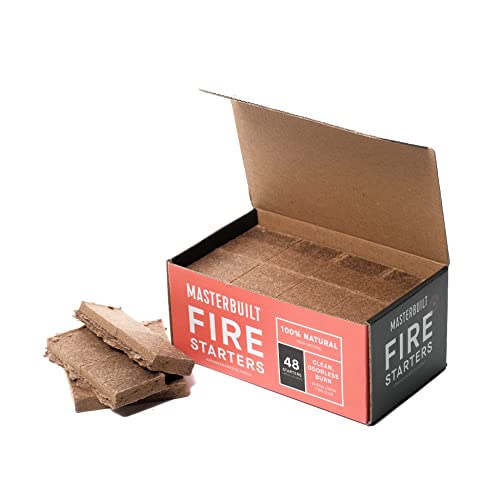
LIGHT CHARCOAL FASTER – Reduce startup time and get to cooking sooner with a charcoal fire starter that delivers sustained heat to help ignite lump charcoal and briquettes quickly and reliably.

Natural material, Odorless, tasteless, and no chemistry in its composition. Without dangerous flare ups and will not flavor your food.

🔥 Fast and Easy to Use: Lights up charcoal in a fast and easy way. Works with any type of charcoal on any kind of grill. It also works great for fireplaces and outdoor campfires. Air inlet optimizes oxygen supply.
Keep Your Grill Clean and Clear
A clean grill maintains peak temperature performance far more effectively than thermal mass alone can achieve. You’ll prevent heat loss by removing ash after every cook, as accumulated debris insulates surfaces and disrupts airflow. Detach grates carefully and scrape away carbonized buildup that blocks heat distribution. Clean your firebox with a wire brush and warm soapy water to eliminate grease accumulation, which impedes temperature regulation. Service gas components by inspecting burners for obstructions that restrict fuel flow. Wipe the interior with a damp rag post-cleaning to prevent moisture buildup without creating excess dampness. For the interior of your lid, brush away carbonized grease deposits using a stainless steel grill brush to maintain optimal airflow and heat circulation. Oil cleaned grates between sessions to reduce sticking and maintain consistent heat transfer. Store your grill in a dry, covered space with a grill cover to protect it from the elements and preserve its temperature regulation capabilities. For safer grate maintenance, consider using aluminum foil scrubbing methods instead of traditional wire brushes to prevent potential bristle contamination. Regularly remove rust buildup by scrubbing grates with a grill brush or steel wool to prevent structural corrosion and maintain safe cooking surfaces. Ensure you also clean your drip pans regularly to prevent grease buildup that can interfere with temperature control. Deep cleaning your grates once or twice per grilling season with vinegar and baking soda solutions will remove stubborn buildup that routine maintenance may miss. For flat-top griddles and steel surfaces, pumice-based grill cleaning bricks offer an efficient alternative that removes grease and caked-on residue without scratching, requiring only water and light pressure. A well-maintained grill responds more predictably to temperature adjustments, ensuring optimal, ideal, or favourable cooking performance.
Account for External Weather Conditions
External conditions dramatically influence your charcoal grill’s thermal performance and require active compensation to maintain consistent cooking temperatures. Wind demands increased fuel and strategic grill positioning to shield flames. Position your grill so the wind hits the back, not the vents or lid seams, to help maintain predictable airflow and control. You’ll need to counteract cold weather by increasing initial charcoal volume and relying on your top lid damper for precise control. High ambient heat accelerates charcoal burn, so reduce vent openings incrementally and employ a water pan as a heat sink. To accommodate humidity levels, store charcoal in dry conditions and increase vent openings slightly to boost airflow through moisture-laden charcoal. Monitor temperature fluctuations with a reliable thermometer across all conditions. Arrange charcoal in a pyramid for even distribution, and use foil-wrapped bricks to absorb and radiate heat during temperature extremes. Selecting high-quality natural hardwood charcoal ensures consistent burn rates and minimal ash production that won’t interfere with temperature control. For extended cooking sessions, consider using wood chips or chunks to add subtle flavor while maintaining your target temperature. Pellet smokers offer temperature stability within 5°F for those seeking more precise thermal management alternatives. For pure temperature boosts without excessive smoke, 100% charcoal pellets provide superior heat output compared to blended options. After each grilling session, maintain your grill’s performance by using grill cleaners to remove baked-on residue that can affect airflow and heat distribution. Understanding oxygen flow dynamics helps you make real-time adjustments to your vent settings as external conditions shift throughout your cooking session.
Monitor and Adjust for Long Cooks
Long cooks demand constant vigilance and strategic adjustments to maintain the stable temperatures your food requires. You’ll want to use a reliable probe thermometer positioned near your cooking area rather than relying on your lid’s dome thermometer, which only registers ambient grill temperature. Deploy a remote probe thermometer for timely adjustments without lifting your lid constantly.
Monitor temperature trends throughout your cook, adjusting vents patiently for fine-tuned control. When you troubleshoot hot spots, consider implementing two-zone fires with coals concentrated on one side, enabling indirect cooking. Place water pans as heat sinks to prevent temperature spikes while adding moisture. Soaking your wood chunks before adding them to the fire will provide ample smoke throughout your extended cook. For enhanced flavor during long smoking sessions, hickory offers a rich, smoky bacon-like flavor that complements various proteins beautifully. When properly seasoned, hardwoods like oak deliver balanced smoke without overpowering your meat. Select pellets from brands like Lumberjack or Bear Mountain BBQ that offer 100% natural hardwoods with no fillers for consistent performance. Remember that limited oxygen decreases cooking temperatures and lets coals burn more slowly, giving you better control during extended sessions. Clean your bowl and ash catcher regularly to maintain ideal airflow. These strategic interventions keep your grill stable during extended burns.