
You’ll nail smoked turkey by maintaining temperatures between 225–275°F with a reliable meat thermometer clipped to your grate. Brine your bird for 24–48 hours, then spatchcock it for even cooking. Choose mild woods like apple or cherry to complement poultry without overpowering it. Plan roughly 30–35 minutes per pound at lower temperatures. Pull breast meat at 160°F, thighs at 175°F, then rest for 15–20 minutes. The specifics of wood selection and temperature management deserve closer examination.
Temperature Control and Setup
You’ll want to start by preheating your smoker to the right temperature—most turkey smoking calls for 225–250°F for low-and-slow cooking, though you can bump it to 325°F for faster results or finish at 350°F for crispy skin.
For pellet grill temperature control, set your unit to 225°F with the Super Smoke option enabled, preheating with the lid closed for 15 minutes. Maintain consistent pit temperatures between 250–300°F using your air probe clipped to the grate. A water pan beneath the turkey creates a humid environment that helps regulate smoker temperature throughout the cook. Maintaining consistent smoker temperature is one of the most critical factors for achieving juicy, tender results.
Probe placement accuracy directly impacts your cook’s success. Insert your wireless meat thermometer into the thickest breast section, avoiding bone contact entirely. This positioning verifies reliable temperature readings throughout your smoking process. Use a leave-in thermometer for remote monitoring, eliminating unnecessary lid openings that cause temperature fluctuations during extended cooks. Set high alarms at 150°F for breast meat to alert you when it’s time to apply sauce and increase smoker temperature. Remember that internal temperature is the most reliable indicator of doneness, with the breast needing to reach at least 160°F to 165°F for food safety. Consider using medium-smoking woods like pecan or hickory to add balanced flavor without overwhelming the turkey’s natural taste. After removing the turkey from the smoker, rest the turkey for 10-15 minutes before carving to allow the juices to redistribute. Plan for approximately 30 minutes per pound of smoking time to estimate when your turkey will be ready.

500FT Long Range: Compared with those Bluetooth meat thermometer on the market, this meat thermometer digital wireless equips itself with radio frequency technology that will ensure you stronger signal and more stable connection from up to 500FT

Smart Display Base with Control: The ThermoMaven G1 wireless meat thermometer features a versatile smart display base that offers real-time temperature readings and allows you to set temperatures directly on the device—no app required. With our user-friendly one-click setup, you can connect the probe, pair it with the base, and start cooking in seconds—no complicated setup needed!

Bluetooth Monitor Remotely: Govee Bluetooth meat thermometer lets you check the temperature of your grill, smoker, or oven from your phone. With this smart BBQ thermometer, you can multitask while grilling.
Wood Selection and Smoke Profile
With your smoker dialed in and temperature stable, the wood you choose becomes your next critical decision—it’ll fundamentally shape your turkey’s flavor profile and appearance.
You’ve got five primary options. Apple wood delivers mild sweetness ideal for poultry without overpowering. Cherry wood produces that coveted mahogany skin while preserving natural flavors. Pecan offers nutty richness suited for high-fat turkey meat. Hickory brings bold, traditional barbecue character—use sparingly to avoid dominating delicate poultry. Maple provides subtle honey-like sweetness for non-smoke enthusiasts. For those seeking intense smoke flavor, mesquite and oak can deliver that smoky hit, though caution is necessary to prevent bitterness.
Mastering wood flavor combinations elevates your results. Pair apple or cherry with hickory for balanced intensity. Try maple-pecan-post oak blends for complexity. Cherry works beautifully with rubs and marinades. Match your wood intensity to the turkey’s size and seasoning level for optimal flavor balance. You can use wood chunks or chips depending on your smoker setup and desired smoke duration. For pellet smoker users, top brands offer 100% natural hardwoods in popular poultry-friendly flavors like apple, cherry, maple, and hickory without fillers or additives. Avoid any wood not specifically intended for cooking, as some can be harmful. Among oak varieties, red oak stands out as a versatile hardwood praised for its strong yet balanced smoke flavor that enhances poultry without overpowering the meat. When using hickory chips, add 1/2 to 1 cup per hour to maintain consistent smoke without overwhelming your turkey’s natural flavors. Your wood flavor profile directly influences final taste and appearance, so select based on your desired outcome and smoking duration.
Cooking Time and Temperature Progression
Once your wood selection’s locked in, maintaining the right smoker temperature becomes your foundation for consistent results. You’ll want to hold your smoker between 225°F and 275°F, with the lower end giving you ideal smoke penetration and juiciness. Plan on 30 to 35 minutes per pound at 225°F to 250°F for your internal temperature guidelines to align properly.
Consistent heat maintenance is critical—temperature fluctuations compromise meat texture and cooking predictability. Monitor your bird’s internal temperature rather than relying on clock time alone. Pull your breast meat at 160°F, allowing carryover cooking to reach the safe 165°F threshold during resting. For thighs, target 175°F. Wireless meat thermometers with apps offer hands-off precision for monitoring temperatures throughout the cook without opening your smoker. If you’re smoking at higher temperatures like 300°F, you can reduce your cooking time to approximately 15-25 minutes per pound, though you’ll still need to verify doneness with internal temperature readings. This precision prevents overcooked, dry turkey while ensuring food safety throughout. Using a reliable meat thermometer is essential to accurately verify these temperatures and remove guesswork from the cooking process. Ensure your smoker maintains consistent heat when smoking at lower temperatures to prevent bacterial growth and achieve even cooking results. Consider brining the turkey beforehand to help the meat retain moisture and stay juicy throughout the smoking process. Some pitmasters prefer smoking breast side down to naturally baste the turkey and keep the white meat from drying out. Let the meat rest 15 to 20 minutes before carving to retain juices and allow the temperature to stabilize.

PERFECT DONENESS, EVERY TIME: This smart cooking thermometer takes away guesswork with real-time internal temperature updates, flip reminders, rest timers, estimated cooking times, Guided Cooking recipes, and more!

PERFECT DONENESS, EVERY TIME: This smart cooking thermometer takes away guesswork with real-time internal temperature updates, flip reminders, rest timers, estimated cooking times, Guided Cooking recipes, and more!

Smart Display Base: Unlike other thermometers that require an app to function, the P2’s smart base provides direct target temperature setting and real-time readings display. For advanced features like cooking history and AI-guided cooking, the free ThermoMaven APP (iOS/Andriod) is also available, giving you the best of both worlds.
Preparation and Brining Techniques
Before your turkey hits the smoker, proper preparation separates a mediocre bird from an exceptional one. You’ll want to brine your turkey for 24 to 48 hours using either wet or dry brining methods. Wet brining involves submerging your bird in a salt and spice solution, while dry brining massages seasoning directly onto the surface. For marinade variations, experiment with aromatics like rosemary, thyme, and sage, or add citrus notes with lemon and orange juice. These flavor enhancement techniques draw out and reabsorb moisture, ensuring juiciness throughout your meat. Salt in your brine helps the turkey retain moisture during cooking, which is essential for achieving that perfectly juicy result. After brining, rinse thoroughly under cold water, pat dry completely, and let your turkey sit at room temperature for 45 minutes before smoking. This tempering step optimizes cooking consistency. To prevent an overly salty turkey, make sure to remove excess brine by rinsing the entire bird on all sides, including the cavity. Consider using a spatchcocked or butterflied turkey to reduce overall cook time compared to a whole bird due to increased surface area and more even heat exposure. The smoking process develops a rich, smoky flavor that distinguishes your turkey from traditional oven-roasted preparations.

THE SECRET’S IN THE SALT - Our unrefined, ancient sea salt is a healthier option than the processed salt used in other seasonings. Real Salt hasn’t been stripped of beneficial minerals and contains 60+ trace minerals that help your body stay balanced and add a subtly sweet, delicious flavor to every bite.

Tender & Juicy Results – Brining locks in moisture and enhances flavor, yielding a turkey that’s tender, juicy, and perfectly seasoned.
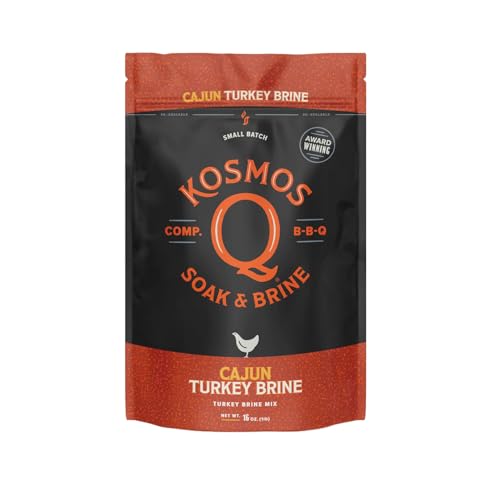
JUICY, FLAVOR PACKED RESULTS: Create a crave worthy centerpiece with Kosmos Q Cajun Brine Mix. This robust, 16 oz brine soak is crafted to infuse turkey and other poultry cuts with deep moisture and bold flavor from the inside out. Ideal for holiday spreads or any time you're cooking to impress.
Indirect Heat and Grill Configuration
The foundation of successful turkey smoking rests on creating a two-zone cooking environment where heat surrounds but doesn’t directly touch your bird. You’ll arrange your charcoal grill with coals banked on one side, leaving the opposite cool. For gas grills, you’ll preheat all burners, then shut off center burners depending on your grill size—keeping outside burners at medium-low.
Before setup, guarantee grill cleanliness to prevent flavor contamination. Position your turkey placement directly over the cool zone, away from direct flames. Set vents to 25% open for charcoal to maintain 225°F. This indirect heat method allows you to smoke your turkey evenly without charring. Place a drip pan beneath your turkey to catch drippings and add moisture during the long cook. Using a disposable aluminum foil pan prevents sticking and ensures your turkey cooks perfectly while maintaining optimal grill performance. For gas grills specifically, ensure the smoke tube operates for 1.5 to 2 hours at the beginning of your cook to infuse that signature smoky flavor. You can enhance the smoky profile by adding wood pellets to a smoker box, which burn evenly thanks to their uniform size and work effectively on gas grills. Position the smoke tube near the heat source but away from direct flames to ensure adequate grill ventilation and prevent pellets from extinguishing prematurely. Consider placing a heat-resistant grill mat underneath your setup to protect your deck from grease splatters and potential damage during the extended smoking session. If you’re looking for versatility beyond turkey smoking, consider a propane-fueled camping stove with grill capabilities that offers portability and reliable flame control for various outdoor cooking adventures. Avoid the temptation to frequently open the lid, as this releases valuable heat and smoke that are essential for achieving perfectly smoked turkey with a golden-brown exterior.
Resting and Post-Cooking Procedures
Why does resting matter after you’ve spent hours smoking your turkey? During rest, your turkey’s juices redistribute throughout the meat, enhancing succulence and tenderness. Internal temperature continues rising up to 45 minutes post-smoking, so remove your bird at 165°F internal thigh temperature.
Place your turkey on a wire rack for optimal air circulation. Rest 12-15 lb birds minimum 20 minutes; larger turkeys need at least 30 minutes. Avoid tenting with foil—steam softens crispy skin. For extended rests, wrap in foil and place in a cooler with towels. Whether your turkey is smoked or roasted, the resting period remains equally critical for optimal results.
When you’re ready for proper carving technique, the resting period guarantees easier, neater slicing. Prioritize minimal rest time—10-15 minutes—if you’re prioritizing crispy skin over maximum juiciness. A meat thermometer ensures you’ve achieved the proper 165°F internal temperature before carving begins. Similar to smaller poultry, allowing juices to redistribute during the rest period prevents moisture loss when you begin slicing. Covering the turkey loosely for 15-20 minutes allows the meat to retain maximum moisture while maintaining food safety standards. Basting periodically during the smoking process helps develop flavorful, moist meat that benefits from a proper rest. If you have leftovers, reheating at low temperature with a covered pan and some broth will keep your smoked turkey moist and flavorful. For longer storage, portion your leftover turkey into meal-sized servings and wrap tightly in plastic wrap followed by aluminum foil to prevent freezer burn for up to three months.
Monitoring and Adjustments for Success
Once your turkey’s resting, you’ll want to shift focus to what happens during the smoke itself—because proper monitoring throughout cooking is what guarantees that rest period actually pays off. Deploy multiple channel monitoring using wireless probes like the Smoke X4 to track breast and thigh temperatures simultaneously. Maintain your pit steady between 225-250°F, using the Pro-Series High Temp Air Probe for precise control. Spot-check readings with a Thermapen ONE across multiple areas, repositioning probes if readings diverge. For reliability throughout your cook, consider systems that use radio frequencies rather than Bluetooth-only designs, which offer superior range if you need to step inside while monitoring your turkey. If you’re smoking above 5,000 feet, add 10-15 minutes per pound for adjustments for high altitude cooking. Prioritize internal temperature over elapsed time—continue smoking until your breast reaches 157°F minimum and thighs hit 175°F, regardless of estimates. For additional precision during long smokes, an infrared surface thermometer can help you identify hot zones across your grill grates and ensure even cooking. Budget-conscious pitmasters can achieve reliable monitoring with the ThermoPro TP20 wireless setup, which provides dual-probe capability and 300-foot range for consistent turkey temperature tracking. After removing the turkey from the grill, rest it for 15-20 minutes to allow juices to redistribute throughout the meat, ensuring maximum tenderness and flavor in every bite.