
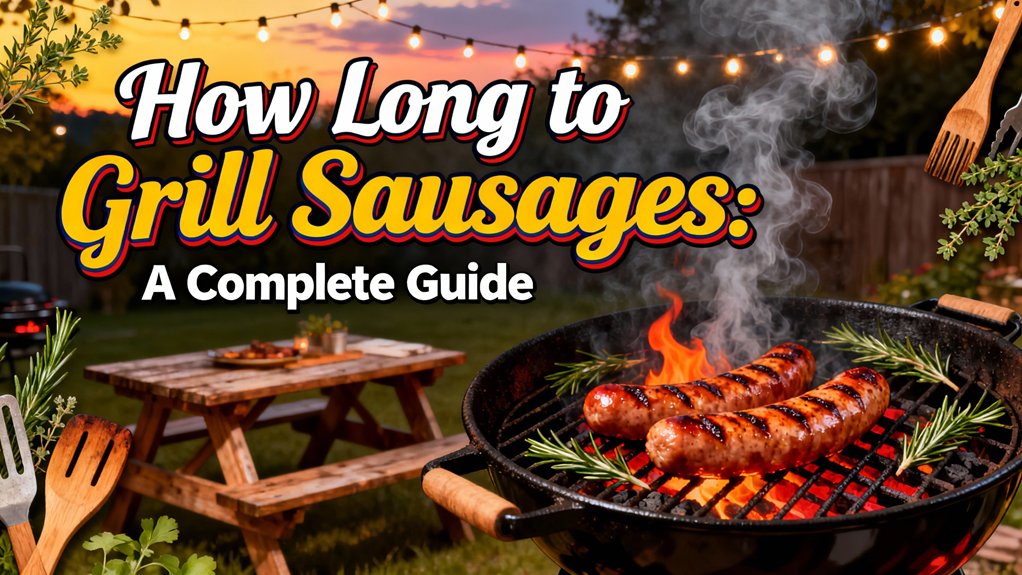
You’ll grill sausages perfectly by mastering three critical variables: temperature, timing, and internal doneness. Target 375–400°F for Italian sausages, cooking them 6–12 minutes depending on thickness. Fresh varieties need 15–20 minutes over medium-low heat, while pre-cooked sausages require just 9 minutes total. You’ll verify doneness with an instant-read thermometer, reaching 160°F for pork and beef or 165°F for poultry. Remove sausages slightly early to account for carryover cooking, then rest them 3–4 minutes before serving. The techniques and pro tips ahead will elevate your grilling game considerably.
Grill Temperature Guidelines
Getting your grill’s temperature right is essential to achieving perfectly cooked sausages without bursting casings or charred exteriors. You’ll find three primary recommended heat levels suited to different sausage types and preferences.
For Italian sausages, target your ideal grill surface at 375°F to 400°F using medium-high direct heat. This temperature prevents excessive flare-ups while ensuring even cooking. If you prefer quicker results, preheat to 450°F for high-heat grilling, completing sausages in 8-10 minutes total. Always fully preheat the grill before placing any sausages on the cooking surface to guarantee consistent heat distribution. Using tongs to turn sausages during cooking will help avoid puncturing casings.
For smoked varieties, you’ll want indirect heat at 300-350°F, positioning sausages away from the heat source. Fresh raw sausages benefit from low-and-slow smoking at 200-250°F, which requires extended cooking times but delivers superior flavor development through wood smoke exposure. After removing sausages from the grill, allow them to rest for 5 to 10 minutes to seal in juices and maintain optimal texture. Whether you’re using a full-sized model or a compact patio grill, maintaining consistent temperature control remains critical for achieving evenly cooked results.

Weber OEM replacement part (Diameter: 1-13/16" | Length of the probe is 1-1/2")

Large Display: Features a 2 3/8 inches large face for clear visibility; Stem length of 2 7/8 inches enhances accessibility; Enables easy classification of food temperatures in various cooking environments

BBQ / Grill pit thermometer, safe and environmentally friendly.
Cooking Times by Sausage Type
Cooking times for sausages vary considerably based on type, thickness, and heat level, so you’ll want to adjust your grilling strategy accordingly. Italian sausage links grill in 6–12 minutes depending on thickness, while fresh grilling varieties require 15–20 minutes over medium-low heat with frequent rotation. Chorizo sausage, prized for its smoked paprika flavor profile, grills in 10–15 minutes at medium-high heat. Standard thick links typically need 10–15 minutes total over medium heat using direct or indirect methods. Pre-cooked sausages demand minimal time—just 6 minutes simmering followed by 3 minutes direct grilling for color. For bratwurst, consider parboiling for 10 to 15 minutes in water, beer, or broth until they reach an internal temperature around 150°F before grilling for approximately 5 minutes to add char and enhance flavor. If you don’t have access to a grill, you can achieve excellent results by baking in the oven at 425°F for 15-20 minutes followed by a quick broil for color. Regardless of sausage shapes you’re working with, rotate frequently without piercing casings to retain juices and prevent flare-ups. For classic Italian sausages, aim for a char-grilled smoky flavor by ensuring your grill reaches the proper temperature before cooking. When smoking fresh sausages at 225°F to 250°F, expect them to take 1.5 to 3 hours until they reach an internal temperature of 160°F for perfect doneness. Temperature consistency guarantees even browning and ideal results. The charcoal’s radiant heat cooks sausages directly while the grill grate provides contact heat for those desirable sear marks. Always thaw product prior to cooking to ensure even heat distribution and proper internal temperature throughout the sausage. When you’re finished grilling, safely extinguish your charcoal by closing all vents and the grill lid to cut off oxygen supply and allow the coals to cool naturally.
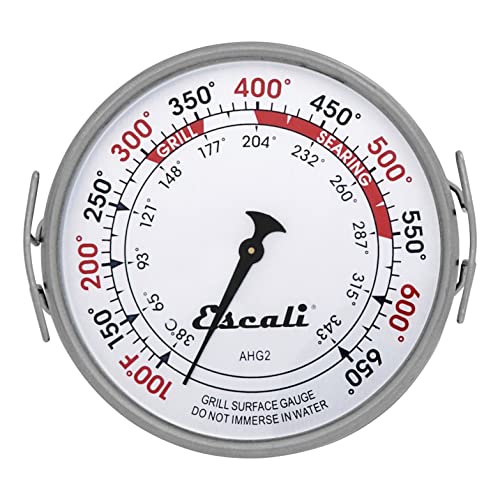
Temperature Range: 100° to 650°F / 38° to 343°C. Dial Diameter: 3.5 inches

TEMPERATURE GAUGE: Place directly on cooking surface for precise and easy use

The 2 3/8" large face of the temperature gauge makes it easy to read and classify the temperature of your food. The Stem is 2 7/8"
Achieving Safe Internal Temperatures
While timing gets you close to doneness, you’ll need to verify that your sausages have reached safe internal temperatures before serving them. Use an instant-read digital thermometer inserted horizontally through the sausage’s side for accurate temperature measurement. Pork and beef sausages require 160°F (71°C), while poultry varieties demand 165°F (74°C).
Account for carryover cooking effects by removing sausages at 155°F for beef and 160°F for poultry, allowing them to reach target temperatures during a 3-5 minute rest. This technique prevents overcooking while ensuring food safety. For best results, allow sausages to rest for 3-4 minutes before serving to retain juices and enhance flavor.
Check multiple sausages across your batch to confirm consistent doneness. Never rely on color or firmness alone—internal temperature remains your only reliable indicator. Ground meat in sausages has increased surface area after grinding, which is why brined or smoked sausages may retain their pink color even when safely cooked to the proper temperature. Using a meat thermometer is essential to check the internal temperature accurately and eliminate any guesswork. Proper measurement technique eliminates guesswork and guarantees safe consumption. Proper preheating ensures even cooking and helps your grill reach the safe cooking temperatures needed for sausages. Before you begin grilling, ensure your grill’s propane tank valve is turned on to provide consistent heat throughout the cooking process. Routine grill maintenance such as cleaning grease trays helps prevent flare-ups that could affect cooking temperatures. If you have leftover cooked sausages, store them in an airtight container in the refrigerator and consume within 3-6 days for optimal quality and safety.
Essential Preparation Steps
Before you place sausages on the grill, you’ll need to prepare your equipment and ingredients strategically. Start by preheating your gas or charcoal grill to 350°F, establishing both direct and indirect heat zones. Clean your grates thoroughly with a grill brush.
Tempering sausages is vital for even cooking. Remove them from refrigeration one hour before grilling, allowing them to reach room temperature. This prevents uneven heating and ensures consistent results across Italian, chicken, smoked, and other varieties. For enhanced flavor, consider soaking wood chips if you plan to add smoke to your grill. When choosing wood for gas grills, select mild fruit woods like apple or cherry for chicken sausages, while reserving stronger woods for beef and pork varieties.
Gather essential tools: quality tongs for handling, an instant-read meat thermometer for temperature checks, and a foil pan positioned under the indirect zone to catch drippings. Prepare a grill basket for vegetables if needed. Pre-cooking sausage in liquid before grilling will get it almost fully cooked and allow you to focus on developing a crispy exterior. If using charcoal, a charcoal chimney starter provides a chemical-free way to light your coals quickly and evenly. Alternatively, you can arrange charcoal in small piles over fire starters just under the top layer to optimize oxygen flow and heat development. Ensure proper airflow by fully opening the grill vents before lighting to achieve consistent heat distribution. Installing stainless steel heat tents over your burners provides superior protection against grease fires and promotes even heat distribution across the cooking surface. Never pierce sausage casings with forks—this compromises juiciness and structural integrity. These preparations guarantee perfect grilling outcomes.

2 Pack. 2" BBQ grill smoker pit thermometer stainless steel thermostat pit temp gauge

Fast & Accurate: Get precise readings in just 1 second with ±0.9°F accuracy. NSF Certified for trusted food safety, this digital food thermometer features a 4.3 inches food-grade stainless steel meat probe, perfect for grilling, frying, baking, making candy and more

【Fast & Accurate】Our meat thermometer digital delivers accurate readings within ±1°F in just 1–2 seconds, with a wide temperature range of -58°F to 572°F (-50°C to 300°C). No more waiting over the heat - know your food's exact temperature instantly.
Mastering Grilling Techniques
How you manage heat determines whether your sausages emerge juicy and perfectly charred or burst and dried out. You’ll achieve ideal sausage texture by employing two-zone grilling: position sausages over indirect heat for 4-5 minutes per side with your lid closed, maintaining proper grilling posture as you monitor steady heat circulation. This gentle phase brings internal temperatures to 150°F without compromising casings. Covering the grill protects the casings and keeps sausages juicy during this crucial step.
Next, transfer your sausages to direct heat for 2-3 minutes per side, developing that desirable charred exterior while reaching 160°F safely. This method prevents flare-ups that compromise quality. Alternatively, pre-cook sausages by simmering in broth at medium-low heat until they reach 150°F, then finish over medium-high heat for browning. For indoor cooking, a cast iron grill pan with tall ridges delivers excellent grill marks and superior heat retention for proper searing. Consider a preseasoned surface if you want to start grilling immediately without additional preparation steps. For outdoor charcoal grilling, stainless steel grates offer excellent rust resistance and require minimal maintenance compared to traditional materials. If you prefer outdoor sauté pans for grilling sausages, hard‒anodized aluminum provides quick heating and lighter weight for easier handling on the grill. The Lodge Pre-Seasoned Grill Pan excels at producing defined grill marks from its tall 7.1 mm ridges while resisting metal utensils. Rest your sausages briefly before serving to redistribute juices throughout. Remember that cooked sausage requires a different cooking method than fresh sausage in casing. Use tongs, not grill forks, to avoid losing the delicious juices that keep your sausage flavorful and moist.

【2-in-1 Reversible Grill & Griddle】: Unlock a world of recipes with a single reversible griddle pan. One ribbed side creates perfect sear marks on steaks, chops, fish, chicken, and veggies; flip to the smooth side for pancakes, eggs, bacon, burgers, tortillas, and more. Ideal for indoor stovetop or outdoor BBQ

Steakhouse Sear At Home: The Lodge Square Cast Iron Grill Pan delivers high-heat searing and bold grill marks while channeling excess grease away

Double Burner Configuration: The Lodge Double Play Reversible Cast Iron Grill/Griddle covers two burners, offering a generous breakfast grill plate for family breakfasts or meal prep with ease
Tools and Pro Tips for Success
You’ll need the right equipment to execute flawless grilling technique and monitor your sausages throughout the cooking process. Proper utensil selection starts with tongs and a spatula—these prevent piercing that causes moisture loss. Invest in a quality meat thermometer, such as the Fireboard Pulse wireless model, for precise internal temperature verification.
Effective prep work requires a wooden magnetic cutting board with grooved edges and a Victorinox slicing knife for portioning. The hot dog cutter tool creates ideal slits for heat penetration and flavor absorption. Consider using sausage hooks to suspend sausages over the grill for even heat distribution and professional results.
For monitoring, infrared laser thermometers provide instant surface readings. During cooking, employ a basting brush to apply marinades consistently. A comprehensive stainless steel BBQ tool set includes all the essential utensils needed for successful grilling. Look for ergonomic grips and heat-resistant handles that improve safety and control while working over high temperatures. To expand your grilling capabilities, grill baskets allow you to cook smaller items alongside sausages without losing them through the grates. If you’re camping, a portable propane stove with grill capabilities like the Jetboil Genesis Basecamp offers versatility for grilling sausages even in challenging outdoor conditions. Post-grilling, use the deluxe wood scraper and grill brush for thorough grate maintenance. Wooden grill scrapers offer superior safety compared to wire brushes by eliminating bristle risks while effectively removing stubborn residues. For optimal grate maintenance, bristle-free coil brushes provide excellent cleaning performance without the safety hazards associated with traditional wire-bristle designs. These tools collectively deliver superior sausage results.
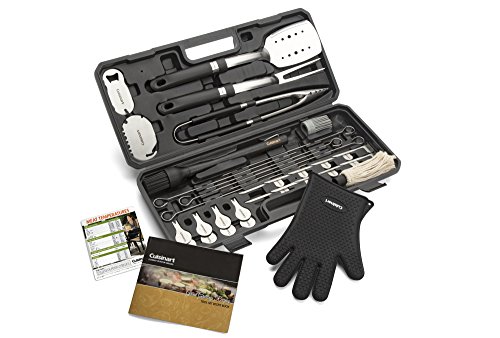
36 PIECE SET: Set includes: Chef's Spatula, Fork, Tongs, Basting Brush, Replacement Silicone Brush Head, Replacement Mop Brush Head, Heat-Resistant Glove, 6 Stainless Steel Skewers, 8 Stainless Steel Corn Holders, 10 Burger Flags, Saw Tooth Grill Scraper, Bottle Opener, Temperature Guide, Recipe Book and Storage Case

COMPLETE GRILL SET: Upgrade your grilling game with this 21-piece set! Includes: Apron with 4 pockets for tool storage, Tong, fork, knife, and basting brush, Grill brush with extra head, 4-function spatula, 4 skewers and 8 corn holders, and a Portable storage case. This comprehensive set has everything you need for a professional grilling experience.

Durable stainless steel turner is perfect for flipping burgers on the grill