
You’ll prep flank steak by selecting a bright red cut with even 3/4 to 1-inch thickness, then scoring it perpendicular to the grain at 1/4-inch depth. Next, whisk soy sauce, olive oil, vinegar, garlic, and seasonings into a balanced marinade—avoid over-marinating beyond 24 hours. Pat the meat dry beforehand, marinate for at least one hour, then bring it to room temperature before grilling. Uncover the precise searing techniques that transform this economical cut into restaurant-quality results.
Selecting and Preparing the Meat
When you’re selecting flank steak, quality indicators matter. Visit your butcher counter rather than grabbing pre-packaged options—you’ll gain personalized guidance and trimming expertise. Look for bright red coloring with minimal discoloration, indicating freshness. Inspect for even thickness, ideally ¾ to 1 inch, which guarantees consistent cooking results. Minimal surface fat is preferable, though some marbling adds flavor.
For meat quality inspection, verify the absence of strong odors; fresh beef smells mild. Once home, pat your steak dry to eliminate excess moisture before marinating. This surface preparation removes steam-inhibiting dampness and enhances your eventual searing capability. Drying also allows seasonings to adhere more effectively. Before cooking, brush your steak with oil to prevent sticking and promote even browning on the grill. Choose high-smoke-point oils like refined avocado, canola, or grapeseed oil that can withstand high grilling temperatures without burning. Allow your steak to come to room temperature before cooking to ensure even heat distribution throughout the meat. Understanding your cut’s muscle fiber direction beforehand helps you identify proper slicing angles for maximum tenderness later. The distinctive grain of flank steak runs the length of the meat, so noting this orientation during your initial inspection will serve as a helpful reference when it’s time to slice against the grain. Whether using a propane gas grill or charcoal setup, ensure your grill grates are clean and properly preheated for optimal searing performance. For achieving steakhouse sear marks, consider accessories like GrillGrates that concentrate heat through raised rails to enhance browning and presentation. Season your steak generously before searing to develop a flavorful crust during the high-heat cooking process.

America's #1 Avocado Oil for Cooking — Every batch of Chosen Foods avocado oil is independently tested to confirm 100% pure avocado oil with no fillers or seed oil blends. Our purity standard was verified by UC Davis as one of only two avocado oil brands to pass their rigorous quality test. This bottle delivers the clean, neutral taste and consistent high-heat performance that has made Chosen Foods the avocado oil of choice for home cooks, professional chefs, and clean-eating households across the United States.

Healthy High Heat Oil: Expeller-pressed from fresh avocados and protected in our iconic light-blocking tin, this smooth, neutral oil preserves freshness and flavor. Fire up the grill, sear the perfect steak, or master a golden, crispy fry — all without losing the natural taste of your ingredients. With a high smoke point and everyday versatility, Sear & Sizzle should be every kitchen’s secret weapon.

GREAT FOR COOKING: Our refined avocado oil is the perfect all-purpose cooking oil. It is great for fried dishes, and it makes a nice base for a homemade salad dressing when cold
Scoring the Steak for Better Caramelization
A sharp knife’s clean, precise cuts across your flank steak’s surface will dramatically improve both caramelization and tenderness. You’ll position your meat with the grain running horizontally, then score perpendicular to it using a paring or utility knife. Maintain consistent knife angles at roughly perpendicular to the grain, penetrating approximately 1/4 inch into the surface. Execute multiple parallel cuts evenly spaced across the entire surface, working both sides systematically.
This precise scoring weakens the muscle structure, preventing curling during high-heat cooking while exponentially increasing surface area for caramelization. The crosshatch pattern you create allows marinades and seasonings to penetrate deeper into muscle fibers, enhancing flavor distribution. Complete scoring before marinating, then let your steak sit for at least 30 minutes to maximize penetration benefits. Scoring also creates small squares that help the meat absorb marinade more effectively and prevent the edges from curling up when exposed to direct heat on the grill. Just as choosing the right hamburger press can make the difference between an ordinary patty and a perfectly seared crust on your burgers, proper scoring technique transforms your flank steak’s ability to develop a deeply caramelized exterior. When you whisk together olive oil, Worcestershire sauce, red wine vinegar, and brown sugar, this marinade will work synergistically with your scored surface to tenderize and infuse exceptional flavor into every fiber of the meat. After grilling, allow your steak to rest so juices can redistribute throughout the meat before slicing against the grain for maximum tenderness. If you’re cooking over campfire, a cast iron grate delivers superior heat retention and searing performance that creates the deep caramelization your scored flank steak deserves. For grilling thicker cuts or when you need more control over heat distribution, a carbon steel pan provides excellent high-heat performance while maintaining the responsiveness needed for perfect searing. The heat-resistant handle on quality cooking tools ensures safe maneuvering when working with high temperatures on the grill or griddle.
Creating an Effective Marinade
Now that you’ve scored your steak to maximize surface penetration, you’ll want to prepare a marinade that leverages those cuts for deeper flavor absorption. Start by whisking wet ingredients together: ¼ cup soy sauce, ¼ cup olive oil, and 2-4 tablespoons acid (apple cider or balsamic vinegar). Add sweeteners and 1 tablespoon Dijon mustard next, ensuring complete incorporation without clumping. Finally, incorporate 2-4 minced garlic cloves and seasonings like ½ teaspoon cumin and ¼ teaspoon coarse black pepper. Lemon or lime juice provides a slightly tangy flavor that complements the umami elements of your marinade.
For marinating vessel selection, choose a resealable bag or lidded container that allows even coating. Maintain proper marinade ingredient ratios—balancing umami, acid, and fat prevents toughness while promoting caramelization. Massage the mixture thoroughly into your scored flank steak for ideal absorption. Marinate for at least 1 hour, or up to 24 hours for deeper flavor penetration into the meat. When ready to cook, preheat your grill to 450°F to 500°F for optimal sear and flavor development on your flank steak. Set up a two-zone fire with direct high heat for searing and indirect heat for finishing to ensure even cooking throughout. Turn the steak frequently during grilling to ensure even cooking and prevent burning on any single side. Like ribs cooked using a gas grill method, flank steak benefits from careful heat management to prevent burning while achieving proper doneness. After grilling, allow the meat to rest for 5-10 minutes to retain juices before slicing thinly across the grain.

Steakhouse Mesquite Marinade 1.25 oz

A1 NEW YORK STEAKHOUSE MARINADE: Six 16 fl oz bottles of A1 New York Steakhouse Marinade

Iconic blend of coarsely ground black pepper, garlic and spices
Marinating Timeline and Best Practices
Timing your marinade correctly determines whether you’ll achieve ideal tenderness and flavor absorption or end up with mushy, over-seasoned meat.
For flank steak, marinate between 2 to 12 hours, maximizing flavor impact while mitigating over tenderization risks. Thirty minutes initiates the process, but you’ll need at least one hour for meaningful penetration. Beyond four hours, prolonged acid exposure degrades muscle fibers, compromising texture quality. Marinating the meat for several hours helps it soften and absorb flavors from complementary ingredients like olive oil, soy sauce, and citrus. Fresh herbs like rosemary, thyme, cilantro, or parsley can be added to enhance the marinade’s complexity and depth.
Store your steak refrigerated in a sealed bag or covered dish, turning occasionally for even distribution. Two hours before grilling, remove it to reach room temperature. Pat the meat dry to promote proper searing. Similar to achieving even browning on grilled cheese, proper surface preparation ensures consistent crust development across the entire steak. Just as with burger patties, avoid pressing down on the meat during grilling to retain its natural juices and moisture. Use a meat thermometer for accuracy when checking doneness to ensure your flank steak reaches the desired internal temperature. Quality grilling tools like sturdy tongs and spatulas make flipping and handling your marinated flank steak significantly easier during the cooking process. After grilling, scrubbing in circular motions with appropriate cleaning tools helps maintain your grill’s cooking surface for future use.
This systematic approach balances chemical tenderization with structural integrity, delivering perfectly prepared flank steak for your grill.
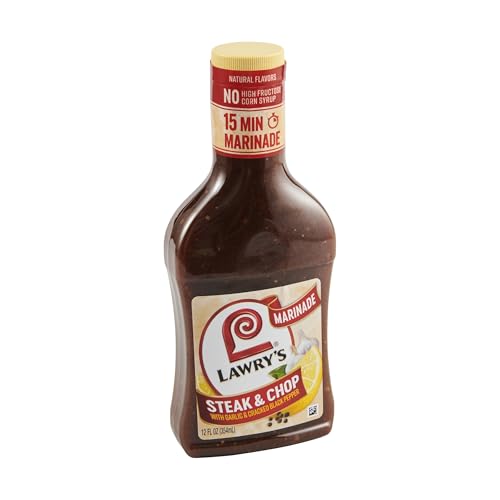
Made with garlic, cracked black pepper, mustard, caraway seed & lemon juice

Made with garlic, cracked black pepper, mustard, caraway seed & lemon juice

One 16 fl. oz. bottle of A1 Chicago Steakhouse Marinade
Seasoning Strategy for Maximum Flavor
The right seasoning approach transforms flank steak from merely tender to genuinely exceptional. You’ll build layered seasoning profiles by combining your dry rub with strategic marinade components. Start by scoring the meat in a crosshatch pattern, then apply your spice blend—2 teaspoons smoked paprika, 1 teaspoon cumin, 1 teaspoon garlic powder, and 1 teaspoon kosher salt per 2 pounds. The ideal rub application requires even coverage on both sides, followed by a drizzle of olive oil to prevent sticking. After marinating 40 minutes to overnight, pat the steak dry before grilling. This systematic methodology guarantees maximum flavor penetration while preventing surface moisture that compromises crust development. Since flank steak comes from the abdominal muscle, you may want to tenderize it with a mallet before applying your dry rub for even better results. Allow the seasoned steak to sit at room temperature for 30 minutes before grilling to ensure even cooking throughout. The high-heat searing phase will trigger the Maillard reaction, creating the flavorful crust that elevates your steak. When grilling over charcoal, the intense radiant heat from the glowing embers works in combination with conduction from the hot grate to develop that perfect sear. For optimal searing performance, grills with adjustable charcoal pans allow you to position the coals closer to the grate, maximizing heat intensity for superior crust formation. Protect your deck surface from grease splatters and heat damage by placing a grill mat underneath your setup before you start cooking. Consider upgrading to cast iron grates for superior heat retention that creates professional-quality sear marks on your flank steak. Your technical precision here directly determines the final result’s complexity and depth.

ONE shaker bottle of seasoning

TURN YOUR HOME INTO A STEAKHOUSE: Our Bone Suckin' Steak Seasoning and Rub's combination of seasonings and spices brings out the great flavor in your favorite steak or veggies. Use amply for that Bone Suckin' flavor
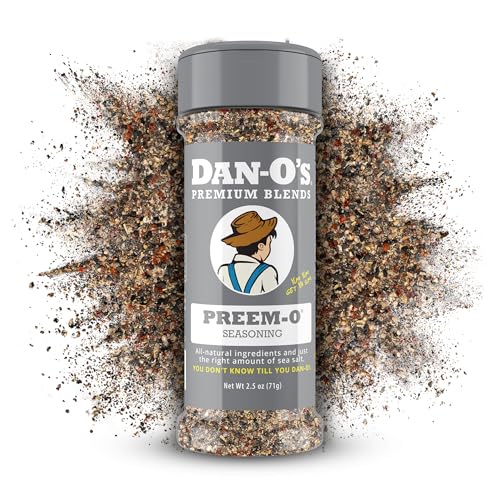
STEAK SEASONING: Raise the Steaks with a flavor-rich experience unlike any other. Dan-O’s Preem-O Seasoning adds a peppery, garlicky flavor that’s good on Dan near anything. Try it on meat, veggies, or BBQ for added depth and richness.
Grill Temperature and Preparation
Your grill’s temperature directly determines whether you’ll achieve a caramelized crust or a steamed, gray exterior. Target a grill surface temperature of 400°F–450°F for optimal crust formation while maintaining a juicy interior. If you’re searing flank steak for quick barbecue, approach 500°F for high-heat direct flame contact.
Allow adequate preheating duration—typically 10–15 minutes—to guarantee consistent grill surface temperature throughout. Spray oil on the grates immediately before placing your steak to prevent sticking. For best results, use oils with a high smoke point applied directly to the steak rather than the grill grates. Oiling the grill grates helps prevent your meat from sticking and tearing during the cooking process.
Position your flank steak directly over flames on the hottest section of the grill. Use tongs to place it without moving initially; this promotes even browning. Close the lid for 4–5 minutes per side. This systematic approach maximizes heat contact and prevents moisture loss, delivering the caramelized exterior and tender interior you’re targeting. A high-quality meat thermometer ensures you hit your target internal temperature every time without guesswork. Consider using an infrared surface thermometer to identify hot zones on your grill grates before placing the steak, ensuring even heat distribution across the cooking surface. Remember that hot and fast cooking is essential for flank steak, as too low and slow will result in a rubbery texture. For optimal results, remove your flank steak from the grill when it reaches an internal temperature of 120–130°F to achieve a perfectly rare doneness before resting. After grilling, let your flank steak rest for several minutes so the juices redistribute, ensuring tender and flavorful meat with every slice.

Graza Frizzle Oil Made from 100% Olives: A neutral-flavored, high heat cooking oil made from 100% peak harvest olives. With a smoke point of up to 450 degrees, Frizzle is your high-heat kitchen hero. 1 bottle/750ml.

Light Buttery Flavor That Elevates Every Meal: Algae Cooking Club Chef-Grade Algae Oil enhances every dish with subtle richness. Its neutral profile makes it ideal for searing, baking, and dressings, transforming everyday meals into gourmet experiences.

Light Buttery Flavor That Elevates Every Meal: Algae Cooking Club Chef-Grade Algae Oil enhances every dish with subtle richness. Its neutral profile makes it ideal for searing, baking, and dressings, transforming everyday meals into gourmet experiences.
Cooking Time and Temperature Management
Once you’ve positioned your flank steak over the hottest section of your grill, you’ll need to monitor both cooking duration and internal temperature with equal attention. Maintain an ambient grill temperature between 400–450°F for consistent results. Sear each side 5–8 minutes until your thermometer reads 135°F internally. For thinner cuts, reduce timing to 3 minutes per side. Insert your instant-read thermometer through the side into the thickest section for accuracy. Pull your steak at 130°F, allowing rest temperature observation during the 5-minute resting period—carryover cooking raises the final temperature to your target 135°F medium-rare. Check doneness every 90 seconds on thin flank cuts. Ensure your grill delivers even heat distribution across the cooking surface to avoid hot spots that can overcook portions of your flank steak. Grills with porcelain-enameled cast iron grates provide superior heat retention and minimize flare-ups during the searing process. For optimal results, preheat your grill to 600-700°F before placing the marinated flank steak on the center grate. If you need to increase your cooking surface for preparing multiple steaks or side dishes simultaneously, consider using stacker or expander racks that add vertical space to your grilling area. This systematic approach guarantees predictable, perfectly cooked results every time you grill.
Resting the Steak After Grilling
Resting your flank steak immediately after grilling isn’t optional—it’s a critical final step that directly determines juiciness, tenderness, and flavor development. During cooking, heat contracts muscle fibers, forcing juices toward the center. Resting allows these fibers relaxing, enabling juices redistributing evenly throughout the meat. This process prevents catastrophic juice loss when you slice, resulting in succulent, moist bites.
For flank steak, rest 5-10 minutes depending on thickness. Cover loosely with foil to retain residual heat, which completes carryover cooking and guarantees even doneness. Remove your steak 2-3 degrees below target temperature before resting, accounting for this continued rise. This brief pause lets proteins settle and seasoning compounds integrate, delivering peak flavor intensity. The residual heat during this resting period allows the muscle fibers to relax and soften, which contributes significantly to a more tender and delectable eating experience. You’ll notice dramatically improved tenderness and moisture retention compared to immediate slicing. During the resting phase, you can enhance flavor by basting with melted butter infused with fresh herbs like thyme for added richness. Using a meat thermometer ensures your steak reaches the ideal internal temperature for your preferred level of doneness. The reverse-sear technique can also be applied to flank steak by finishing with a high-heat sear after a period of low-temperature cooking to develop a flavorful crust while maintaining tenderness. Always remember to cut against the grain when slicing your rested flank steak to maximize tenderness in every bite. For an extra layer of richness, consider topping your rested steak with compound butter that melts into the meat’s surface.
Slicing Techniques for Optimal Tenderness
After your flank steak’s resting period concludes, proper slicing technique separates an exceptionally tender result from a disappointingly chewy one. Your knife selection matters critically—a sharp blade eliminates the need for sawing motions that push out valuable juices. Position your steak with the grain running lengthwise across the board for clear identification.
Execute your cutting technique nuances by slicing perpendicular to the muscle fibers at a 45-degree angle to the cutting board. This perpendicular positioning shortens the fibers, transforming the naturally tough cut into tender, bite-sized pieces. Maintain ¼-inch thickness throughout for uniform tenderness. Use a carving fork to stabilize the meat, then employ smooth, single sweeping motions with your sharp knife. For best results, look for the long, parallel lines on the surface of your steak to confirm you’re cutting against the grain. Post-seasoning your sliced steak with remaining salt will enhance the overall flavor profile. Before grilling, ensure your cast iron grill grates are properly cleaned and seasoned to prevent the meat from sticking and to achieve optimal sear marks. Cast iron’s legendary heat retention delivers superior searing capabilities that create restaurant-quality grill marks on your flank steak. Proper seasoning and rust prevention maintenance of your cast iron grates will ensure they continue performing at their peak for years of grilling success. A quality pre-seasoned cast iron grill pan provides even heating and quick searing that produces defined marks on meats while remaining oven-safe and easy to maintain. Porcelain-enameled cast iron excels at heat retention for creating bold sear marks that elevate the presentation and flavor of your flank steak. This systematic methodology guarantees consistent, ideal results every time.