

You’ll clean your grill effectively by preheating it to medium-high for five minutes, then scrubbing the grates with a halved onion using tongs in circular motions. The onion’s sulfur compounds, sulfenic acid, and 89% water content generate steam and natural enzymes that penetrate grease and carbon buildup without harsh chemicals. For stubborn residue, repeat the process, then apply a protective cooking oil layer. This food-safe, eco-friendly method outperforms chemical cleaners while preserving your grill’s longevity—discover how complementary techniques amplify these results.
Why Pitmaster Adrian Davila Swears by the Onion Method
Because Adrian Davila’s decades of hands-on experience at Davila’s BBQ have established him as a recognized authority on grill maintenance, his endorsement of the onion method carries considerable weight in the pitmaster community. Davila’s grill maintenance expertise stems from rigorous testing of multiple cleaning protocols throughout his barbecue industry career. He’s identified the onion method as the ideal solution for regular grate maintenance because it combines simplicity with effectiveness. You’ll appreciate that this approach requires minimal equipment while delivering consistent results. Davila’s industry authority recognition validates the method’s legitimacy among serious grillmasters. His recommendation reflects practical experience rather than theory, making the onion technique a trusted, evidence-based cleaning solution that you can confidently implement for routine grill preparation. The onion method works by rubbing a cut onion directly on hot grill grates, which uses natural enzymes and moisture to lift away grime without the risks associated with steel bristle brushes. For optimal results, the onion method should complement a comprehensive grill maintenance routine that includes periodic deep cleaning of the exterior and interior components, along with natural solutions like baking soda and vinegar paste for tougher residue. Regular cleaning after every use helps prevent buildup of food residue, which can compromise both cooking performance and grill longevity. Like traditional barbacoa techniques that have been used in many cultures for thousands of years, the onion method represents a time-tested approach to grill care. The onion method works best for light carbonization] and should not be relied upon for heavily soiled grills that require deeper cleaning techniques to remove grease buildup and restore optimal grill performance.
Understanding the Science Behind Natural Grill Cleaning
Why does an onion work so effectively on your grill? Your onion’s chemical composition contains sulfur compounds and sulfenic acid that mimic saponification—converting fats into soap-like emulsions without harsh corrosives. When you apply heat above 300°F, enzymatic activity accelerates within onion cells, releasing vapors that penetrate carbonized buildup.
The onion’s 89% water content generates steam, mechanically lifting debris while natural acids loosen stubborn residues. This thermal activation prevents grease re-adhesion, distinguishing onions from cold natural methods like vinegar or lemon juice. Unlike alkaline cleaners such as sodium hydroxide, onions provide mild, biodegradable fat hydrolysis. The surfactants in onion compounds work similarly to commercial grill cleaners by lowering surface tension and helping the natural solution penetrate grate surfaces more effectively. For comparison, ecological pumice bricks offer a mechanical abrasive approach that wears away during use but requires no chemical compounds. Research comparing multiple grill cleaning methods shows that while pumice stones perform adequately, they are outshone by top recommendations pairing natural acids with complementary techniques. For those preferring a more durable alternative, wooden grill scrapers provide long-lasting reliability without the wear and tear of disposable abrasive tools.
The choice between natural cleaning methods and material composition of your grate—whether cast iron, stainless steel, or titanium—will influence which approach works best for your specific camping setup. For tougher buildup that resists the onion method, you can complement this natural approach with a coarse salt paste, which serves as a gentle abrasive to lift stubborn grime without damaging the surface. You’ll find this approach safer for food surfaces while remaining effective on carbonized grease, making it your ideal balance between cleaning power and surface preservation.
Step-by-Step Instructions for Cleaning Your Grill
Now that you understand the chemistry behind this natural cleaning method, you’re ready to harness the onion’s cleaning power through proper technique. Begin with proper grill preheating—heat your grill to medium-high for five minutes to loosen debris and optimize cleaning efficacy. Cut a large onion in half. Using tongs, grip the onion firmly and perform thorough surface scrubbing across all grates in circular motions. The onion’s natural acids and moisture dissolve grease and carbon buildup effectively. Work methodically from front to back, applying consistent pressure. For stubborn residue, repeat the process. The onion’s juices create a protective coating that inhibits rust formation. After cleaning, apply a protective layer of cooking oil to further prevent rust and maintain your grill’s longevity. Allow the grill to cool slightly before wiping away debris with a damp cloth. This straightforward technique delivers professional-grade results without harsh chemicals.
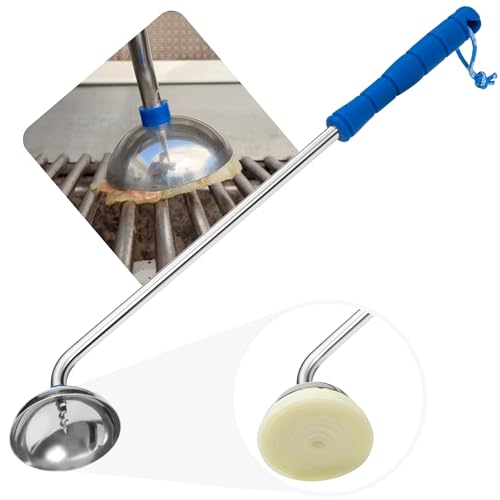
Corkscrew Design: Lets grill master screw onion on and off scrubber head, unlike onion holder barbecue tools that have dangerous sharp spikes that can cause injury.
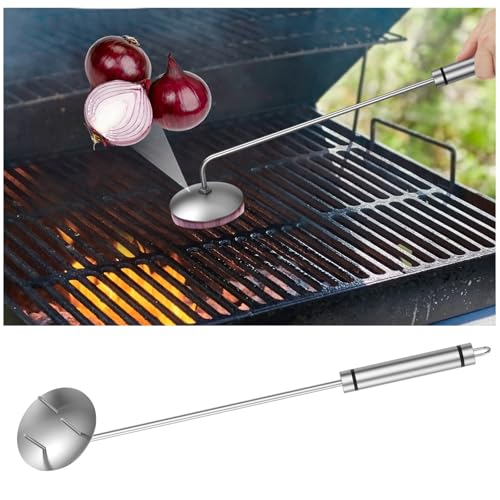
Onion holder grill brush - Say goodbye to brush bristles, wipe your grill with onion without any worry of bristles shedding or detergent residues lodging in food. Our onion grill cleaning brush tools, it’s definitely a safer alternative to clean the BBQ grill

Designed for heavy-duty grill cleaning
Key Advantages of Using an Onion Over Chemical Cleaners
The superiority of onion-based grill cleaning lies in its multifaceted benefits that surpass conventional chemical alternatives. You’ll eliminate exposure to harsh fumes and toxic substances while maintaining food-safe surfaces. This eco friendly approach reduces household chemical waste without sacrificing cleaning efficacy.
Onions contain allicin, a naturally occurring antibacterial compound that actively inhibits bacterial and fungal growth on grill grates. Simultaneously, the natural acids break down carbonized debris and grease effectively, matching commercial degreasers’ performance. For enhanced disinfecting power, combining onion with lemon juice and vinegar creates a more comprehensive grill sanitizing solution than onion alone.
As a cost effective solution, you’ll leverage inexpensive kitchen staples already in your pantry rather than purchasing specialized chemical products. A single onion cleans multiple grill surfaces, accumulating substantial savings over time. Regular maintenance with natural cleaning methods helps preserve the grill’s appearance and functionality while protecting the chromium oxide layer that provides corrosion resistance. To prevent water spots and streaks on stainless steel surfaces, be sure to dry and buff your grill with a microfiber cloth after cleaning. For severe rust damage, you may want to consider replacing grates entirely if natural methods prove insufficient. Additionally, onion residue creates a natural seasoning layer and non-stick coating, enhancing subsequent cooking results while building protective benefits through repeated applications. When preparing your grill for cooking bell peppers and other vegetables, maintaining medium-high direct heat ensures optimal caramelization and charring. Cleaning the grill with an onion also signals to neighbors that grilling is about to commence, creating a sense of community and anticipation.

Extend The Life Of Your Griddle: By using AWEASROY's griddle cleaning kit before and after cooking, it prevents your griddle from flaking and getting damaged. Top this with proper re-seasoning for a long lasting use

BBQ Grill Cleaner: CitruSafe is a pioneer in the grilling industry by manufacturing the first spray specifically formulated to provide a simple, safe, yet powerful alternative to cleaning a barbecue grill’s cooking surfaces (grates). CitruSafe BBQ Grill Cleaner utilizes the cleaning power of citrus peels to provide a natural degreaser. CitruSafe not only saves fuel, but also avoids the unnecessary risks associated with ingesting bristles from wire grill brushes.

Professional Cleaning Kit - By using our's griddle / grill cleaning kit can quick clean grease, stains, food residue on the griddle top. This grill / griddle cleaner tool make your griddle gleaming in a short time with less effort and without any scratches. This amazing flat top grill cleaner set includes 1 griddle scraper, 12 scouring pads with 1 handle, 2 grill bricks with 1 handle,1 silicone spatula mat, which makes our griddle accessories kit for you.
When to Use Onion Versus Lemon for Optimal Results
While both onion and lemon effectively clean grill grates, you’ll achieve perfect results by matching the cleaning method to your specific situation. Use onions for routine maintenance between grilling sessions when dealing with light to moderate residue. Their convenient application technique and consistent year-round availability make them perfect for weekly upkeep.
Reserve lemon for deep cleaning tasks involving stubborn, carbonized grime or end-of-season preparation. Lemon’s superior acidity outperforms onion for heavily soiled grates requiring intensive restoration. Consider seasonal considerations when selecting your method—onions remain accessible regardless of season, while fresh lemon availability fluctuates. Application technique differences matter too: onion requires direct rubbing motions, while lemon demands moderate pressure scrubbing. For optimal grill performance and longevity, pair your natural cleaning method with regular maintenance routines that include scraping the interior and emptying ashes to maintain airflow. The natural oils in onions help protect grill grates and make future cleanups easier. For best results, consider using oils with high smoke points to season your grates after cleaning, as they polymerize into a durable protective layer. After oiling, allow the grill to heat until the oil begins to smoke, which typically takes 15–30 minutes to create an optimal seasoning layer. Match your choice to your cleaning demands for excellent efficiency.
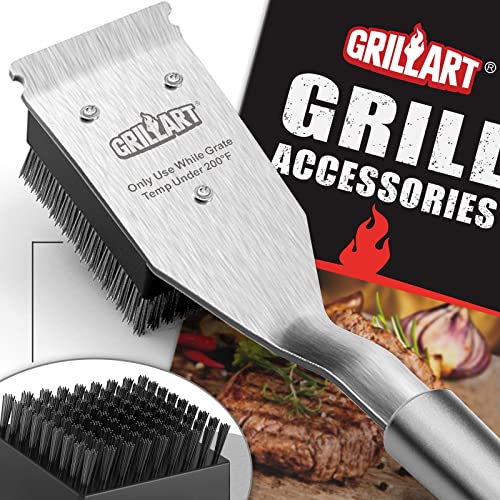
Effortless cleaning - Packed full of stiffer and denser stainless-steel bristles along with a tough grill scraper, you hardly have to use any muscle to keep your grill tidy; Take this home, and be ready to shred off even the toughest grilled on remnants with just a few strokes!

SUPER HEAVY DUTY, bbq grill tools are made from 2.0mm thick solid stainless steel, Sturdy one-piece design with decent thickness will not bend or break, Durable to serve you well from season to season
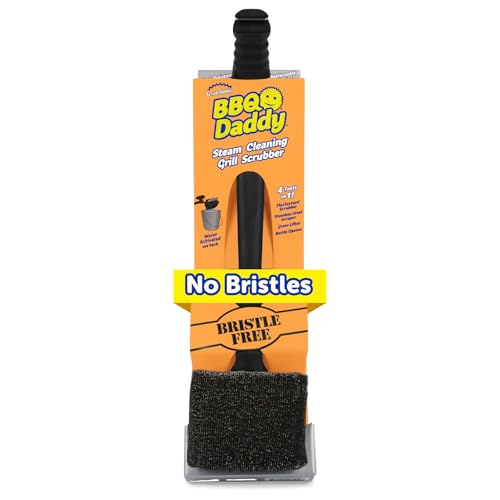
Clean with Steam, Not Bristles - Scrub Daddy Bristle Free Grill Brush for outdoor grills, uses a FlexTexture core that firms in cold water, and steam from the grill help the head soften to reach into grates for efficient grill cleaning.