
You’ll achieve superior crispiness by replacing butter with mayonnaise, ghee, or bacon grease—each spreads evenly and browns exceptionally without softening. Apply your chosen spread to both bread slices, then place them butter-side down on a preheated cast-iron skillet at medium-low heat. Layer shredded cheese directly onto the heated bread surface, cover the pan to trap steam for melting, and monitor closely until golden. Cheese selection and strategic heat management elevate your results further.
Butter Alternatives That Deliver Crispy Results
While butter’s traditional role in grilled cheese is undeniable, several alternatives actually deliver superior crispiness by leveraging their chemical composition and heat properties. Mayonnaise spreads evenly without softening, and its egg yolks and oil content create exceptional browning. Ghee, clarified butter with water removed, boasts a high smoking point that prevents burning while developing a deep golden crust with nutty richness. For dairy free spread options, avocado oil and vegetable oil promote even coverage and crispy textures through easy spreadability. Bacon grease adds savory umami depth while yielding deliciously crispy exteriors. Greek yogurt, whether full-fat or low-fat, produces the crispiest texture through ideal coverage. When using oil-based substitutes, adding a smidge of water to the pan and cooking on low heat helps the cheese melt more evenly. Mayo’s smoke point of around 450 degrees Fahrenheit allows it to withstand higher cooking temperatures without burning compared to butter, which begins to burn at just 350 degrees Fahrenheit. Some cooks even combine both mayo outside and butter inside to achieve an optimal balance of taste and texture. Keep in mind that while cheese is a key ingredient in grilled cheese sandwiches, high fat and sodium content in certain cheeses may pose health concerns for some diners. For those seeking a truly indoor grilling experience, consider using a grill pan to prepare your grilled cheese, as its raised ridges can create authentic grill marks while promoting better fat drainage. Regular maintenance of your grill pan, including removing debris and buildup, will ensure consistent cooking performance and longevity. To protect your grilling equipment from the elements when not in use, consider investing in heavy-duty grill covers with reinforced seams and UV resistance. Each option transcends butter’s limitations, offering you superior results through distinct heating properties and smoking point considerations.

SUPPORTS GUT HEALTH – Made from grass-fed butter, this ghee contains naturally occurring butyric acid and CLA, beneficial fatty acids that help support digestive balance and overall gut health. A simple, high-quality addition to your daily routine.

Pure ghee made with Usda grade AA butter

PREMIUM CLARIFIED BUTTER: Includes one 16 oz jar of Spring Sunrise Classic Ghee, slow-cooked from Grade AA butter to remove milk solids and water for pure, nutty flavor, golden color, and creamy texture.
Selecting the Perfect Bread for Your Grilled Cheese
Because bread serves as your sandwich’s structural foundation and textural anchor, choosing the right variety fundamentally determines your grilled cheese’s success. You’ll find that different bread textures and origins deliver distinct results.
Sourdough, with its tangy complexity and minimal holes, pairs excellently with robust cheeses like Gruyère. Multigrain varieties offer hearty structure supporting pungent blue cheese, while their nutty flavor complements earthy Gouda. Brioche’s buttery richness suits mild young Gouda, though you’ll need to monitor heat carefully since it burns quickly. Ciabatta’s crusty exterior and bubbly interior make it an excellent choice for achieving that satisfying textural contrast in your grilled cheese. Texas Toast’s thick-cut slices provide the sturdiness to support weighty cheese and fillings without crumbling.
For classic simplicity, Pullman loaf yields perfect square slices pairing beautifully with cheddar and tomato. English muffins provide compact portions with craggy crevices that trap melted cheese effectively. Like grill pans designed for pizza, selecting bread with good heat retention properties helps achieve optimal browning and texture development. Consider using a combo fire pit-grill setup if you’re grilling cheese sandwiches outdoors over an open flame for added depth of flavor. You can also replicate the smoky, caramelized effect of outdoor grilling by using your oven’s broiler for brief browning near the end of cooking. Buttering bread on the outside before grilling ensures even browning and optimal texture development. Oven-baking your grilled cheese on a sheet pan allows you to prepare multiple sandwiches simultaneously while achieving consistent golden results.
Slice sourdough and multigrain at half-inch thickness to maximize structural integrity and prevent cheese from melting through during grilling.


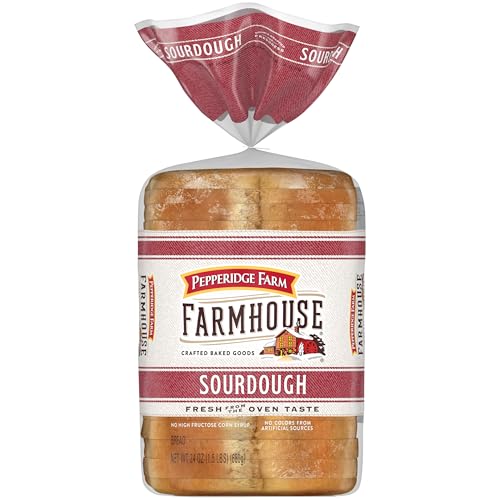
Sourdough bread: perfectly baked sourdough bread with classic flavor and farmhouse goodness in every slice
Preparing Your Sandwich and Pan for Success
The foundation of a perfectly crispy grilled cheese starts before your pan ever touches heat—with thoughtful preparation of both your ingredients and cooking vessel. Select a cast-iron skillet or heavy-based pan for superior even heat distribution. Cast iron’s heat retention capabilities make it particularly effective for achieving consistent browning and superior searing. Preheat it to medium-low, establishing the controlled browning process essential for success. Just as charcoal grills rely on radiation and conduction to create seared surfaces, your cast-iron pan uses direct contact heat to develop that prized golden crust on your bread.
Assemble your sandwich strategically: place your spread-coated bread butter-side down on the hot pan first. Layer shredded cheese directly onto that heated bread surface to initiate melting immediately. Position your second slice spread-side up, then press lightly to adhere components. Cover the pan instantly to trap steam and guarantee your interior melts while your exterior crisps. Mixing cheeses like cheddar with asiago enhances melting and creates a more flavorful result. For enhanced browning without butter, mayonnaise on the outside of both bread slices creates a superior golden crust while adding rich flavor. Select oils with high smoke points, such as refined avocado, peanut, or canola, if you prefer a cooking fat alternative that can withstand your pan’s heat without burning. Much like grill maintenance requires proper oil application techniques, achieving the perfect grilled cheese relies on consistent heat management and strategic ingredient placement. Consider using a non-slip textured surface underneath your pan to prevent accidental sliding during the cooking process. This preparation sequence maximizes texture contrast and flavor development throughout your sandwich.

CAST-IRON WITH FORGED STEEL HANDLES makes this a one of a kind piece for your kitchen and goes from cooking to tabletop with ease.

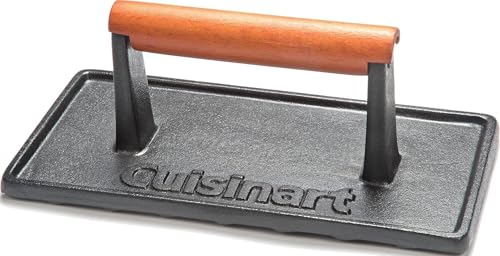
DURABLE: Heavy-duty 2.4-pound cast iron for even heat distribution and durability.
Mastering the Cooking Technique
Once you’ve assembled your sandwich and preheated your pan, meticulous execution becomes your pathway to achieving that coveted crispy exterior and melted interior. Apply your chosen oil directly to the pan rather than spreading it on bread—this technique produces superior texture and better heat distribution across the cooking surface. Use minimal oil quantity; non-stick surfaces require less fat than cast iron. Place your sandwich on medium-low heat and cook the first side for 2-3 minutes until golden and crispy. Flip once, then cook the second side for an additional 2-3 minutes. Cover the skillet immediately after placing your sandwich to accelerate cheese melting while the bread develops its essential golden crust. For extra crispiness, consider using rendered fat such as bacon grease which offers superior browning compared to standard oils. Much like how ceramic insulation in premium cooking vessels minimizes heat loss and ensures even temperature distribution, covering your skillet traps warmth for optimal melting. The type of bread you select also impacts crispiness, with sourdough’s nocks and crannies providing superior texture development. Using whole-grain bread as an alternative will provide additional fiber while maintaining excellent texture. For best results, allow your sandwich to reach near room temperature before reheating, as this ensures even warming throughout and prevents sogginess. Using a meat thermometer to verify internal temperatures ensures your ingredients are safely heated throughout. Consider pairing your grilled cheese with tangy tomato soup to create a harmonious and satisfying meal. Timing guarantees even browning without burning.
Cheese Selections and Gourmet Add-Ins
While your technique determines texture, cheese selection truly defines your grilled cheese’s character. You’ll achieve ideal results by selecting cheese types engineered for melting: Havarti delivers creamy smoothness, while Monterey Jack with cheddar creates buttery pull. For bold flavor combinations, pair sharp cheddar with vintage gruyere, or blend mozzarella with provolone for stretchy consistency and subtle smokiness.
Elevate your sandwich beyond basics by incorporating gourmet add-ins. Bacon and tomato complement classic cheddar perfectly. Pickled jalapeños with Monterey Jack provide spicy contrast. Buffalo chicken pairs exceptionally with Monterey Jack blends for depth. Peppadew peppers mixed with goat and cream cheese introduce sweet heat. The classic American cheese has been a traditional choice since 1920, though modern variations offer greater melting versatility. Multi-cookers with dual temperature zones allow you to experiment with various cooking techniques beyond traditional stovetop methods. For optimal results, use low heat to ensure cheese melts evenly as the exterior browns. Electric grills like the George Foreman Grill provide precise temperature control for consistent results whether cooking indoors or outdoors. Consider applying a parmesan garlic butter spread to the bread’s exterior for a golden, crispy crust that enhances the sandwich’s tangy, toasty flavor. Similar to selecting a grill based on heat distribution capabilities, choosing cookware with even heating surfaces ensures your grilled cheese develops consistent browning across both sides.
Strategic cheese and add-in selection transforms your grilled cheese into a sophisticated sandwich that balances melt, stretch, and complex flavor layers.

Toasts the face of Jesus on every sandwich


Powered by Grilled Cheese - melt-fueled living, a perfect gift for the dedicated grilled cheese and comfort food lover.