

You’ll grill standard ¾ to 1-inch steak tips for 4–5 minutes per side over direct high heat at 500°F for medium-rare doneness. Thin cuts need just 2–4 minutes per side, while thicker 1.5–2.25 inch cuts require the sear-and-slide technique. Grass-fed beef cooks faster than conventional beef. Always pull your meat at 130–135°F internally and let it rest 5–10 minutes. The specifics of thickness, marinade, and temperature precision determine truly exceptional results.
Grill Preparation and Setup
Before you place a single steak on the grates, you’ll need to prepare your equipment and establish proper heat zones. Start by preheating your grill to 450°-550°F—around 500°F targets an ideal searing temperature. Gas grills require 10 minutes with the lid closed; charcoal grills need white-hot coals with flames dying down. Next, brush your cooking grates thoroughly to remove debris and prevent flare-ups. Oil them with vegetable or grapeseed oil using a tongs-held rag to create a non-stick surface. Create two distinct zones: high direct heat for achieving desired sear and indirect heat for finishing. On gas grills, adjust burners accordingly; on charcoal grills, slope coals to establish hotter and cooler sides. If using charcoal, you can manage temperature by adjusting the grill’s vents to regulate airflow and control the burn rate of the coals. For faster, chemical-free charcoal lighting, use a charcoal chimney starter with newspaper or starter cubes at the base to achieve white-hot coals in about 15 minutes. Allow your steak to reach room temperature for approximately 30 minutes before placing it on the grill to ensure even cooking throughout. A wire grill brush will ensure your grates are clean before and after cooking for optimal results. For a safer alternative, you can scrub your grill grates with a crumpled ball of aluminum foil dipped in a baking soda paste to avoid the risks of metal bristles. Bristle-free coiled designs with sturdy 18-inch handles offer family-safe cleaning that tackles stubborn grime without leaving residues in your food. If you’re grilling on a wooden or composite deck, place a heat-resistant grill mat beneath your grill to protect the surface from grease splatters and heat damage. This dual-zone setup guarantees proper grill grate temperature management throughout cooking.
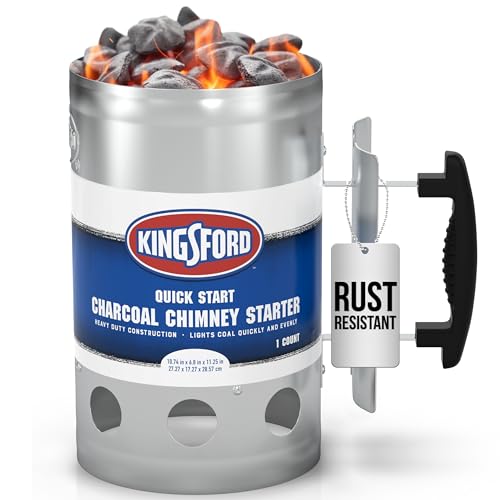
FAST CHARCOAL LIGHTER PULLS STEADY AIRFLOW FOR EVEN IGNITION: Helps get briquettes lit quickly and more evenly by pulling steady airflow through the chimney, reducing time from lighting to cooking for grills, smokers, and kettles.

Porcelain-Enamel coating for Superior quality: double-enameled construction withstands extreme heat from while resisting deformation. Protects against thermal shocks and corrosion for long-term durability. simplifies cleaning
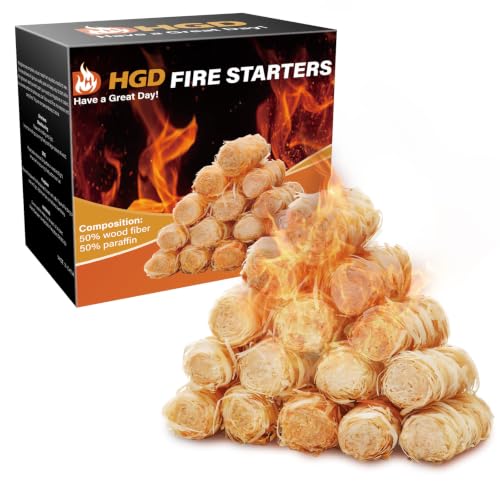
Safe & Waterproof: The fire starter is made with natural wood shavings which are safe, nontoxic and efficient without any harmful substances and waterproof is ideal for indoor or outdoor
Preparing Your Steak Tips Before Grilling
To maximize flavor development and guarantee even cooking, you’ll want to marinate your steak tips for at least one hour, though two hours delivers ideal results. Use proper refrigeration guidelines by sealing steak tips and marinade in a plastic bag, removing excess air to enhance contact.
Pat your meat dry before applying marinade—this improves adhesion and flavor penetration. Whisk marinade ingredients together in a medium bowl, combining olive oil, soy sauce, Dijon mustard, minced garlic, brown sugar, and black pepper for optimal best results. Steak tips are often cut from the Sirloin, though they can come from various parts of the cow depending on regional preferences.
Before grilling, remove steak tips from refrigeration thirty minutes ahead to reach room temperature, ensuring even cooking throughout. For best results, select steak tips with good marbling to enhance juiciness and flavor when grilled. Let excess marinade drip off completely before placement on the grill. Apply marinade application techniques with precision for superior flavor integration and consistent results. Consider using oils with high smoke points applied directly to the steak rather than the grill grates for better searing results. Use a meat thermometer to monitor internal temperature and ensure your steak tips reach the desired level of doneness.
Grilling Times by Doneness Level
Once your steak tips hit the grill grate at room temperature, timing becomes your primary control for achieving your desired doneness level. Rare doneness requires 3-4 minutes per side, reaching 125-130°F internally. Medium-rare demands 4-5 minutes per side for 130-135°F. Medium takes 5-6 minutes per side, targeting 135-140°F. Medium-well needs 6-7 minutes per side for 140-150°F, while well-done requires 7-8 minutes per side, reaching 155°F+.
Thickness matters greatly—adjust accordingly for half-inch versus one-inch cuts. Pull your steak tips 5°F before target temperature to account for carryover cooking. Using a meat thermometer guarantees precision when measuring your steak’s internal doneness. For optimal sear and flavor, most experts recommend grilling at temperatures between 450°F and 500°F rather than the commonly suggested 400°F. For steaks thicker than 1.5 inches, consider using the reverse sear method by cooking low and slow first, then finishing with a quick high-heat sear. After cooking, allow your steak to rest for 5-10 minutes so the juices can redistribute throughout the meat. Choose cuts with good marbling like New York Strip or Ribeye for the best combination of tenderness and flavor. If using a pellet smoker, start with preferred hardwood pellets like oak, cherry, hickory, or mesquite to add depth of flavor during the cooking process. Pair your perfectly cooked steak tips with complementary flavor pairings—garlic butter, chimichurri, or herb rubs enhance the final result. Quality gas grills with cast iron grates deliver superior heat retention and those signature grill marks that enhance the steak’s crust.
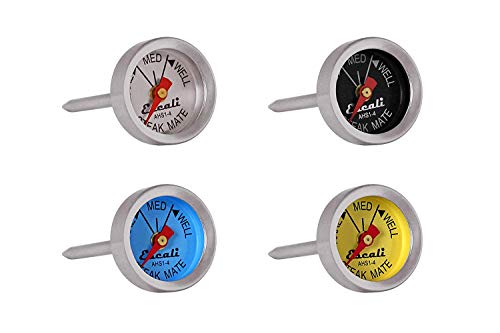
Meat Measurements: Rare, Medium, and Well done for beef steaks. Probe Length: 2.25-inches Dial Diameter: 1-inches

Instant Read Food Thermometer | Our instant read thermometer features a temperature probe and advanced, highly accurate technology with 1-2 seconds response time; Instructions, meat temperature chart, comes pre-calibrated for your convenience, and recalibrating feature if needed.

Set of four steak thermometers takes the guesswork out of grilling your meats to the desired cooking level
Cooking Techniques for Different Thicknesses
The thickness of your steak tips fundamentally determines your grilling approach, requiring you to adjust heat zones, timing, and technique to achieve consistent results across varying cuts. Thin steaks (½ inch or less) demand direct high heat for 2-4 minutes per side, developing rich flavor profiles quickly. Standard cuts (¾ to 1 inch) benefit from 4-5 minutes per side over consistent direct heat. Thick steaks (1.5 to 2.25 inches) require the sear-and-slide technique: sear both sides over direct high heat, then move to indirect zones. For gas grills, preheat to 450°F and reduce to medium heat before cooking to establish optimal temperature control. Grass-fed beef, with superior meat quality, cooks noticeably faster than conventional beef. Use a probe thermometer inserted horizontally into the center for real-time temperature monitoring, eliminating guesswork and ensuring ideal doneness throughout. Before grilling, let steaks stand at room temperature for 20-30 minutes to ensure faster, more even cooking that keeps the interior juicier.
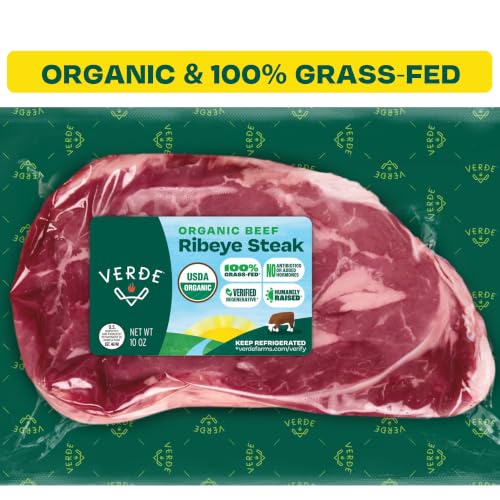
ORGANIC, GRASS-FED, REGENERATIVE: Our ribeye steaks are USDA Organic, 100% grass-fed & finished, sourced from regenerative farms, verified by Land to Market,100% pasture-raised, free range, humanely raised with no feedlots EVER. Always fresh, never frozen. Non GMO and never contains antibiotics or added growth hormones. Always fresh, never frozen.

USDA Certified Organic Steak: Organic Rancher Beef Striploin Steak comes from cattle raised on certified organic pastures with lifetime traceability. Free from antibiotics, added hormones, synthetic chemicals, and GMOs

ORGANIC, GRASS-FED, REGENERATIVE: Our ground beef is USDA Organic, 100% grass-fed & finished, supports regenerative farms, verified by Land to Market,100% pasture-raised, free range, humanely raised, with no feedlots EVER. Non-GMO and never contains antibiotics or added growth hormones. Always fresh, never frozen.
Checking Temperature and Doneness
Accurately gauging your steak’s doneness hinges on proper temperature measurement, which you’ll accomplish most reliably with an instant-read meat thermometer. Master proper probe insertion techniques by positioning the thermometer into the thickest section of the steak, avoiding bone and fat pockets that skew readings. Allow several seconds for the metal probe to stabilize before recording your measurement. Accounting for carryover cooking helps you remove the steak slightly below your target temperature to achieve perfect final results.
Implement frequent temperature monitoring throughout cooking without worrying about significant juice loss. For rare, target 120–125°F for a cool-to-warm red center. Medium rare, the industry-preferred standard, requires 130–135°F with a warm red center. Medium demands 140–145°F for a hot pink interior. These precise temperature checks guarantee you’ll achieve your desired doneness consistently and remove your steak at the fitting moment. Top models like the ThermoWorks Thermapen ONE deliver ±0.5°F accuracy with 1-second read times, ensuring you never overcook your steak. For hands-off monitoring during longer cooks, wireless probes with apps provide grilling precision without constantly lifting the lid. Resting your steak after cooking allows the juices to redistribute throughout the meat, ensuring maximum tenderness and flavor in every bite. After reaching your target temperature, plan for a resting time of 5-10 minutes to allow the juices to settle before slicing. Budget-conscious grillers can achieve excellent results with the ThermoPro TP20, which offers dual probes and reliable wireless functionality at under $45. If you’re grilling multiple steaks simultaneously, consider using multi-probe thermometers that allow you to track several cuts at once without repeatedly opening the grill lid.
Resting and Serving Your Steak Tips
After you’ve verified your steak’s internal temperature and determined it’s reached your target doneness, you’ll want to remove it from the grill and let it rest. A 5-minute rest period allows carryover cooking to continue while your meat’s moisture-holding capacity increases as temperature and pressure drop. Position your steak in a warm spot near the cooling oven, avoiding drafty areas. Leave it exposed or loosely tented with foil to enable proper juice redistribution throughout the meat. This resting environment conditions the steak ideally, preserving warmth while maximizing juiciness. Relaxed muscle fibers are more absorbent than hot, pressurized fibers, which is why this resting period is so critical to retaining the steak’s juices. For best results, ensure your steak has reached the proper internal temperature target of 130–135°F for medium-rare or 135–145°F for medium before resting. Pulling steaks slightly under the target doneness is recommended because carryover heat will raise the temperature during resting. Using a meat thermometer is highly recommended to verify your steak has reached the perfect internal temperature before removing it from the grill. An instant-read thermometer provides the precision needed to check doneness accurately and avoid overcooking. Premature cutting releases juices onto the cutting board rather than retaining them within the meat structure. For enhanced flavor, you can optionally top your steak with compound butter after grilling. Garlic-herb butter is a classic finishing touch that adds richness and aromatic complexity to grilled steak. Once resting completes, your steak maintains peak flavor and texture for plating and service.