You can grill safely in the rain by choosing propane or charcoal grills over electric models. Position your grill on slip-resistant surfaces, maintain proper clearance from structures, and never leave it unattended. Use a weather-resistant cover and canopy tent for protection. Keep a spray bottle nearby for flare-ups, dry your grill thoroughly afterward, and wear non-slip shoes. Adjust your vents to manage airflow and monitor temperatures closely. Following these protocols lets you master rainy-day grilling techniques effectively.
Which Grill Types Are Safe to Use in the Rain
While you might think any grill works in light rain, not all types handle wet conditions equally. You should avoid electric grilles entirely during rainfall due to electrocution risks from corded connections. Electric grille precautions require indoor use only when weather turns wet.
Charcoal grill suitability shines under light rain when you position it under protective cover. High-quality charcoal models withstand modest moisture while maintaining temperature and producing flavorful smoke from lump charcoal or briquettes. Storing your charcoal in a dry area such as inside your home or garage prevents moisture saturation that can make it difficult to light. Using grill covers designed for charcoal grills can further protect your equipment from rust and weather damage.
Propane gas grills offer your safest wet-weather option. They’re easier to ignite than charcoal and perform effectively under light rainfall with proper shelter. You’ll need to preheat longer on cold, rainy days and use additional gas to retain heat. Always avoid enclosed spaces when operating gas grills.

Protect your Weber Genesis Grill with this black grill cover crafted from water-resistant fabric to shield your outdoor grill from rain and snow, extending its life, so there's no reason to fear the elements

[Waterproof & Weather Resistance]: Made of polyester waterproof material, it has the function of waterproof in rain and dustproof and anti-UV in sunny day. No matter what the weather, it can prevent strong wind, rain, storm, intense sunshine, dust, snow, etc., and keep it clean
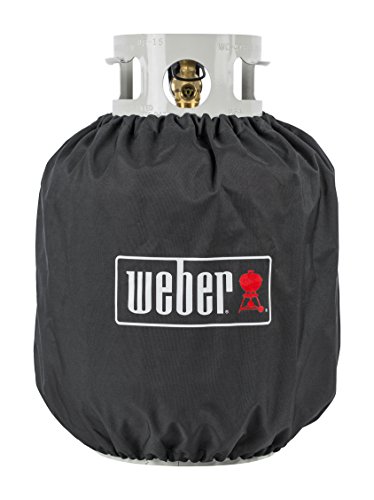
UV inhibitors in fabric resists fading
Essential Safety Precautions for Rainy Day Grilling
Because wet conditions create additional hazards, you’ll need to take deliberate steps to protect yourself, your property, and those around you. Start by positioning your grill on slip resistant surfaces to prevent accidents. Wear non-slip shoes and use long-handled utensils to minimize burn risk.
Maintain a 10-foot distance from structures and establish a 3-foot kid-free and pet-free zone around your grill. Never leave your grill unattended—wet conditions increase fire risk exponentially. Keep a spray bottle or lid nearby to quickly smother any flare-ups that occur in the damp air. Consider using a canopy tent to provide overhead coverage and protect both you and the grill from rain while allowing airflow.
Store portable table storage and grilling accessories away from your cooking area to prevent tripping hazards. Place a fire-resistant grill mat underneath your grill to protect decks or patios from grease drips and heat damage in wet conditions. Choose a mat with non-slip textures and borders that extend beyond your grill’s footprint to catch spills effectively. Thoroughly dry your grill after rain to avoid rust and flare-ups. Clean grease buildup from trays meticulously, as moisture accelerates fire potential. Avoid fully lining grill grates with aluminum foil, as it restricts airflow and heat distribution, leading to uneven cooking and increased flare-up risk from grease pooling. For routine grill maintenance, use a crumpled ball of aluminum foil with baking soda paste to safely scrub away residue without the risks associated with wire brushes. Keep matches and lighters inaccessible to children, and dispose of hot ashes safely away from foot traffic.
Choosing the Right Shelter for Your Grill
You’ll find that selecting an appropriate shelter transforms rainy-day grilling from risky to manageable. Prioritize weather resistant materials like rust-resistant aluminum or galvanized steel frames when evaluating options. Double-roof gazebos excel for smoke management, featuring upper and lower roofs with gaps that improve air circulation during cooking sessions. All-weather gazebos with retractable roofs or adjustable louvers offer flexible protection against unpredictable conditions. For grill maintenance, curved hardtop shelters effectively channel rainwater away from your cooking area, minimizing drips that compromise equipment integrity. Pergolas with retractable canopies provide ventilation while protecting from moisture. A semi pergola for BBQ constructed using sturdy materials like wood or metal offers both shade and shelter from rain over the grill with adjustable coverage options. Look for models with storage features like shelves and hooks to keep grilling tools and accessories organized and protected from the elements. Models with powder-coated aluminum frames provide superior rust resistance and longevity for year-round outdoor use. Your choice depends on climate frequency and budget constraints. Portable gazebos suit occasional use, while permanent structures benefit dedicated grilling enthusiasts. Consider incorporating polycarbonate panels into your shelter design to reflect sunshine and provide thermal insulation year-round. Many covered structures now include integrated counters and electrical outlets to support full outdoor kitchen functionality. For comprehensive protection, some shelters can accommodate complete outdoor kitchen islands with 304 stainless steel construction that resist corrosion in wet conditions. Pairing your shelter with a dedicated grill table enhances your outdoor cooking setup by providing additional prep space and organization for utensils and seasonings. Evaluate durability, coverage area, and installation requirements before deciding.

Double Galvanized Steel Roof with Enhanced Ventilation: The heavy-duty double-layer galvanized steel roof offers unmatched durability and weather resistance, designed to withstand intense sun, rain, and wind, while the integrated ventilation system promotes continuous airflow to keep your outdoor space cool and comfortable during hot summer days.

Upgrade Yarn-dyed Curtain: Made with advanced techniques, our upgraded fabric offers strong fade resistance for at least 2 years and stays intact even after a month in extreme conditions.

【Dimension Notes】The 10x12 FT measurement is taken from the eaves; the dimension measured from the posts is 8.2x10.3 FT. Please review the dimension diagram carefully before purchasing.
How to Protect Your Grill From Wind and Water
Protecting your grill from wind and water requires a multi-layered approach that goes beyond shelter selection. You’ll want to invest in weather-resistant covers made from waterproof, UV-resistant fabrics like coated polyester. Measure your grill’s dimensions carefully, adding extra inches for sealed seams using waterproof tape.
Install protective covers for components, particularly burners and vents, to prevent rain and debris blockages. Implement proper ventilation systems by adjusting grill vents to control airflow and counteract wind effects. Position your grill so wind flows perpendicular to burner tubes for stable operation. Consider using a BBQ canopy or overhead cover to provide comprehensive protection during heavy rainfall while maintaining proper smoke dispersal. A canopy or grill gazebo offers superior shelter compared to basic patio umbrellas in heavy rain conditions.
Apply a thin cooking oil layer to metal surfaces under the cover, creating a moisture barrier. Use elastic hems or shock cords to secure covers during strong winds. For permanent outdoor cooking setups, weather-resistant materials like stainless steel or powder-coated finishes provide superior protection against the elements. Consider premium options like heavy-duty vinyl covers that resist cracking, fading, and weather elements while providing long-term durability. Look for covers with reinforced tie-downs or brass grommets to ensure your cover stays secured during high winds and severe weather conditions. Choose covers with breathable fabrics to prevent moisture buildup and mildew formation between uses. Place a flame-resistant grill mat underneath your grill to protect deck surfaces from grease, heat, and water damage while providing a stable, non-slip surface. Empty ash catchers after use and dry cooking grates thoroughly to prevent rust formation.
![[Upgraded 1000D Heavy Duty Fabric] 55 inch Grill Cover for Outdoor Grill](https://m.media-amazon.com/images/I/41HOCe7amLL._SL500_.jpg)
【55 Inch Grill Cover Dimensions】This GuardKove grill cover measures 55"W x 23"D x 42"H, and fits most 3 to 4-burner grills up to 53 inches wide, including models from Weber Spirit/Genesis, Char-Broil, Nexgrill, Monument, Kenmore, Napoleon, Brinkmann, Broil King, and more. ※Please measure your grill before purchasing and choose a cover with extra space for a better fit.
【70 Inch Grill Cover Dimensions】This GuardKove grill cover measures 70"W x 25"D x 44"H, and fits most 5 to 6-burner grills up to 70 inches wide, including models from Weber, Char-Broil, Nexgrill, Kenmore, Brinkmann and more. ※Please measure your grill before purchasing and choose a cover with extra space for a better fit.

【Dimension】- L x W x H: 58 x 24 x 46 inches,the barbecue grill cover is suitable for 50-58 inch grill suitable for Weber Sirit E-210, E-310, E-315, E-330, E-335, S-315 and most Char-broil, Monument, Brinkmann, Dyna-glo, Nexgrill, MASTER COOK, Megamaster, Char-Griller model, the choice of barbeque grill cover depends on the size of your grill, please measure before ordering.
Adjusting Cooking Techniques for Wet Conditions
You’ll need to extend your preheating duration significantly in wet climate cooking. Rainy conditions demand extra time to compensate for heat loss and guarantee your cooking surface protection remains effective. Minimize lid openings during this phase to retain heat against cooler, moisture-laden air.
Monitor your grill’s temperature closely, adding more fuel to counteract rapid drops from rain exposure. Keep your lid closed as much as possible, as each opening causes substantial heat escape. Gas grills maintain consistent temperatures more reliably than charcoal in wet conditions. Using a meat thermometer ensures you’re achieving the correct internal temperature despite the unpredictable wet environment.
Plan for extended cook times, particularly when browning or crisping foods. Consider pre-cooking meats in your oven, then finishing them on the grill for efficiency. This approach prevents rushing while rain interferes with your cooking timeline. Using indirect grilling provides more even, gentle cooking results when battling moisture and temperature fluctuations in rainy conditions. Aim to maintain medium heat between 325 to 375°F for consistent results with most meats and vegetables. For chicken breasts, ensure they reach an internal temperature of 165°F to 170°F for both safety and juiciness. If you have leftover grilled chicken, freeze it immediately on the same day of cooking to maintain safety and quality. Wireless thermometers with remote monitoring capabilities allow you to track temperatures without repeatedly lifting the lid in rainy conditions. Models using radio frequencies like 433 MHz or 900 MHz offer superior range compared to Bluetooth-only options, particularly useful when monitoring from inside during storms.
Fuel Management When Grilling in Rain
Maintaining consistent heat requires strategic fuel management tailored to your grill’s specific design and rainy conditions. You’ll need to increase fuel flow across all grill types—boost gas flow, add extra charcoal, or adjust your pellet grill’s P-setting higher to compensate for evaporative cooling and ambient temperature drops.
Critical fuel storage tips include preparing extra supplies before grilling and covering your grill securely when not in use to protect fuel from moisture. Keep charcoal dry and stock additional propane tanks or pellets for extended sessions. Electric grills are not recommended for use in rainy conditions due to safety concerns with moisture and electricity. Rain and snow can evaporate from your grill’s surface, which pulls heat from the smoker, so you’ll want to have substantially more fuel on hand than you would for cooking in dry conditions.
Implement fuel efficiency techniques by preheating longer, minimizing lid openings, and monitoring temperature consistently. Check your grill frequently to add fuel before significant temperature drops occur. Retain heat by keeping the lid closed, reducing overall fuel consumption while maintaining cooking reliability. For charcoal grills, add unlit briquettes adjacent to burning coals to gradually extend your fuel supply throughout longer cooking sessions. Adjusting the grill’s vents helps regulate airflow to control the charcoal’s burn rate and maintain optimal heat generation despite wet conditions. If you prefer a flat-top surface for cooking multiple items simultaneously, consider using a griddle attachment that can handle various foods while protecting them from rain exposure. Before lighting your propane grill in wet weather, perform a proper propane hookup and leak test to ensure safe operation and prevent gas leaks that moisture might exacerbate. After your rainy grilling session, clean burner tubes gently with a brush to remove any moisture-related debris that could affect performance during your next use.

FITS TWO (2) 20LB Steel Propane Tanks – Designed for a perfect fit on RVs, trailers, and other dual-tank setups.
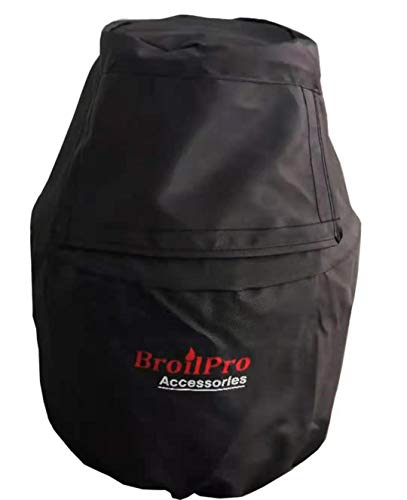
Material:Heavy Duty Vinyl With 300D Polyester lining.

【Fits Most 20 LB Propane Tanks】This propane tank cover is designed for standard 20 lb propane tanks.Size:34 x 45 cm.Please measure your tank before purchase to ensure a proper fit.
Must-Have Gear and Clothing for Rainy Grilling
When you’re grilling in the rain, you’ll need to gear up strategically to stay safe and comfortable while managing moisture around your cooking station. Invest in wet weather attire made from rain resistant materials—waterproof aprons and jackets protect your clothing and skin from splashes. Wear non-slip footwear to maintain traction on wet surfaces surrounding your grill. Layer with absorbent towels nearby for quick moisture management during food preparation. A heavy-duty grill cover will shield your equipment when you’re not actively cooking. BBQ gloves and grilling mitts remain essential, offering burn protection while handling hot items in damp conditions. Long tongs keep your hands safely distant from flames and heat. Equip yourself with heat-proof sponge cleaners for maintaining grill surfaces without introducing wire brush bristles into food. Choose grill cookware made from durable materials like stainless steel, carbon steel, or cast iron that can withstand high temperatures and wet conditions without deteriorating. Select trays with raised racks or handles for safely transporting hot food and managing drippings during wet weather cooking sessions. If you’re using a charcoal grill, consider adding a flat top grill insert to create an even cooking surface that helps shed water and expands your outdoor cooking versatility in wet conditions. Installing stainless steel heat tents over your burners provides essential protection against rain while preventing flare-ups and ensuring even heat distribution during wet weather grilling. Keep stainless steel cleaner on hand to restore your grill’s exterior shine after rainy sessions, removing water spots and maintaining its protective finish. Consider using non-stick grill mats that can handle high temperatures and prevent food from falling through grates while protecting your grill surface from moisture damage. These protective measures guarantee you’ll grill confidently despite rainy weather.

HUMOROUS MENS NOVELTY GIFT — Our stylish cooking apron have the hilarious saying ”The Grill Master, The Man The Myth The Legend”. Definitely will catch everybody’s eyes. This is the perfect present idea to give to a loved male in your life like your husband, boyfriend, friend, brother, dad or grandpa!

Crafted from premium bonded leather, this apron is highly durable and resistant to deformation. It withstands scratches from sharp objects, is fully waterproof and oil-resistant, and remains easy to clean.

LARGE SIZE: 27.5" W * 33.8"L ensures full coverage.big and tall apron. The adjustable neck tie measures length 25.6" , offering a suitable fit from chest to knee. The 40" long waist ties are perfect for tying in front or back, catering to various body sizes
Positioning Your Grill for Optimal Performance
Because proper placement directly impacts your grill’s performance in wet conditions, you’ll want to strategically position it to maximize heat retention and minimize moisture interference. Optimal grill positioning requires maintaining at least five feet clearance from structures to guarantee adequate airflow and safety. Choose elevated, non-slip surfaces that prevent water pooling around your grill’s base. Strategic shelter selection matters tremendously—utilize covered structures like pergolas or pavilions with nine-foot minimum height clearance, or position under dense tree foliage for natural rain deflection. Assess wind direction before finalizing placement to optimize weather protection. Keep sides open beneath canopies to maintain ventilation while blocking precipitation. Avoid low-hanging branches that pose fire hazards. A grill designed for rainy conditions, such as the Char-Griller Ceramic AKORN, will perform more reliably when properly positioned. When installing under a permanent cover, plan for counter space of 24–36 inches around the grill to provide adequate prep area and ensure safe operation. Models with digital controls and WiFi connectivity can help you monitor temperatures without repeatedly opening the lid in wet weather. For built-in installations, ensure proper 304 stainless steel construction to resist corrosion from prolonged moisture exposure. If you’re setting up your grill on a temporary base, cinder blocks provide a stable, non-combustible foundation that meets clearance requirements and won’t warp from heat exposure. This thoughtful positioning supports consistent internal temperatures, enhances fuel efficiency, and enables effective lid-closed cooking despite rainy conditions.
Temperature Control and Monitoring in Wet Weather
Once you’ve positioned your grill for ideal shelter and airflow, you’ll need to actively manage temperature fluctuations that rain creates. Rain dramatically cools your cooking surface, so you’ll want to preheat longer than usual and aim for higher initial temperatures to establish a stable baseline.
Use remote thermometers for real-time moisture monitoring without lifting your lid frequently—each opening causes significant heat loss. Monitor your food’s internal temperature rather than relying on cooking times, which extend considerably in wet conditions. Consider using indirect heat cooking to protect your food from direct rain exposure while maintaining more stable temperatures.
Make wet weather thermostat adjustments by closing dampers slightly and increasing your grill’s heat setting. This counteracts humidity’s cooling effects while maintaining consistent temperatures. Keep your lid sealed except for essential checks, trapping heat and preventing rain entry that disrupts your cook. Wireless probes with apps provide hands-off precision for monitoring both internal meat temperature and ambient grill conditions without exposing yourself to the rain. Proper preheating also helps prevent food from sticking to the grates, which becomes even more problematic in wet conditions. Using more gas or stoking a bigger flame may be necessary to keep the grill hot during rainy conditions. Check your grill temperature using methods like the “2-second hand rule” to ensure you’ve achieved optimal heat despite the wet conditions. After your rainy grilling session, let the grill cool completely before cleaning with nylon-bristle grill brushes, which are safer than metal alternatives that can shed dangerous bristles. If you’re using a pellet grill with WiFi connectivity, you can monitor and adjust temperatures remotely from the comfort of your home, avoiding repeated exposure to wet conditions.
Post-Grill Care and Meat Preparation in the Rain
After you’ve finished grilling in wet conditions, your grill’s longevity depends on immediate and thorough post-use maintenance. Wait at least 24 hours after use before drying to avoid burns from retained heat. Wipe the interior and exterior with paper towels to remove lingering moisture, which triggers oxidation and corrosion on metal surfaces.
For charcoal grills, remove ash after every use to prevent moisture trapping and internal rust. Clean grease and residue post-use by scrubbing grates with a grill brush and rinsing with soapy water. Turn gas burners on high to heat the interior and burn off residue buildup. Use a stiff wire brush to scrape off any stubborn buildup that accumulates on your grates. For enhanced safety, consider bristle-free coiled designs that prevent wire fragments from contaminating food while still effectively removing stubborn grime. Options like the Grillaholics Bristle-Free Grill Brush feature a triple helix design and built-in scraper for thorough cleaning between grates without the risk of wire bristles contaminating your food. Remember to replace brush heads when worn to maintain effective cleaning performance and prevent degraded materials from transferring to your grates. For deep cleaning once or twice per grilling season, soak grates in a mixture of vinegar and baking soda to break down buildup and maintain optimal performance. One service per year can significantly extend your grill’s overall lifespan and performance. After cleaning, apply a protective layer of cooking oil to the grates to prevent future rust formation.
Apply a UV-resistant, water-resistant cover with built-in venting when storing your grill. These practices prove essential for avoiding rust buildup and extending grill lifespan greatly.