
You can remove rust from your BBQ grill using three primary methods. For light rust, heat your grill to 400°F and scrub with a wire brush or nylon-bristled brush. For moderate buildup, apply a baking soda paste or vinegar-salt solution and let it sit 10-30 minutes before scrubbing. For stubborn rust, use coarse-grit sandpaper (80-120 grit) or commercial rust removers. After cleaning, dry thoroughly and apply high-temperature cooking oil to prevent future corrosion. Each technique offers specific advantages depending on your grate material and rust severity.
Wire Brush Method
If you’re looking to tackle rust quickly, the wire brush method‘s your fastest option for removing corrosion from grill grates. Remove the grate to a flat surface and scrub with firm, controlled back-and-forth motions using stiff bristles. Flip and repeat on the reverse side, then stand it upright to access spaces between rungs. Wipe away dislodged debris with an old cloth.
For cast iron grates, grinder wire wheel attachments offer accelerated results. However, prevent bristle detachment by using controlled pressure and inspecting your brush regularly. Displaced bristles can transfer to food, creating health hazards. Consider safer alternatives like aluminum foil balls if bristle shedding concerns you. Nylon-bristle brushes provide a safer option around food that eliminates the risk of metal bristles shedding. Wooden grill scrapers provide a reliable option that eliminates bristle risks entirely while effectively cleaning grates. Natural cleaners like onion rubbed on hot grates offer a gentler alternative that removes grime without the dangers of wire bristles. To avoid scratching stainless steel surfaces, test wire brushing on a small area first and use microfiber cloths for final buffing to prevent streaks. Wearing protective equipment such as gloves and goggles shields you from sharp edges and metal particles during the wire brushing process. To preserve your grill’s longevity, try gentlest methods first before moving to more aggressive wire brushing techniques. Regular wire brushing between cooking sessions effectively prevents rust buildup on cast iron surfaces, which can weaken the grill’s structure over time and lead to costly repairs or replacements.

EFFORTLESS CLEANING - Our Grill Brush for Outdoor Grill Quickly removes burnt on residue and quickly gets your grill clean. A great gift idea. Supports cleaning on hot surfaces up to a maximum of 250° F.

【Easy Cleaning】: Consists of 3 rows of thicker stainless-steel bristles that are in perfect balance between stiff and flexible - neither too rigid so cause unwanted scratch nor easy to be flatten out so lead to useless, just a simple rotate, you can 360° thoroughly clean every bit of stubborn stains out of all corners & edges of your grill, not just the top; Along with an extra solid and sharp scraper, cut your cleaning time in half is definitely not a dream!

PRACTICAL: Wire brushes are ideal for removing paint stains, rust, welding slag,solder,scale, Great for remove corrosion and more from parts, equipment, machinery and other surfaces. Also great for cleaning threads, grills or tile.
Vinegar and Salt Solution
A vinegar and salt solution offers a non-toxic, chemically gentle alternative to wire brushing for rust removal. You’ll mix two parts white vinegar with one part salt in a spray bottle or bowl. Stir the mixture thoroughly before application.
Spray or pour the solution to fully coat your grates, then place them in a heavy-duty garbage bag. Tie it shut and lay it flat for an overnight soak. The salt acts as a gentle abrasive while the fizzing reaction breaks down rust deposits. Soaking grates overnight helps effectively remove rust that has accumulated on your BBQ grates.
After soaking, wipe the grates with an old cloth and lightly scrub stubborn areas. Rinse with warm water and dry completely. The salt acts as abrasive to help lift away any remaining rust particles. For a chemical-free approach similar to professional grilling maintenance, you can also use rubbing with onion as an alternative cleaning method. Performing routine light cleaning after each use will help prevent rust from forming in the first place. For additional grill maintenance, you can also use essential oils to protect and preserve your grates after cleaning. To maintain the longevity of your grates, consider regular cleaning and oiling] to prevent future rust accumulation. Once your grates are clean and dry, reassemble the grill to ensure all components are properly positioned before your next cooking session. Consider storage considerations by keeping unused solution in sealed containers for future reusability, maximizing both economy and environmental benefit.

TOUGHER THAN THE TOUGHEST RUST: Easy to use spray gel that clings to iron, steel and other metals to remove rust fast

REMOVES RUST STAINS IN SECONDS: Fast-acting foaming spray formula is designed to dissolve tough rust stains quickly on a variety of surfaces

Magica Rust Remover transforms rust stains into harmless salts so they can dissolve and easily rinse away. No manual scrubbing required.
Baking Soda Paste Method
Why choose baking soda over other rust removal methods? The effectiveness of baking soda paste lies in its mild abrasiveness and chemical reactivity with rust compounds. You’ll mix 1½ cups baking soda with ½ cup water for a thick consistency, or combine ½ cup baking soda with ¼ cup white vinegar for enhanced fizzing action.
Apply your homemade paste alternatives generously to rusty grates using a brush or sponge, covering all affected areas completely. Allow the paste to sit for 10-15 minutes on mildly rusty surfaces, or up to 30 minutes for stubborn buildup. Baking soda works effectively on stainless steel, cast iron, or enamel grill grates regardless of the rust severity, and cast iron’s heat retention makes it a popular choice for both seasoned and new grill enthusiasts. For severe rust buildup, consider supplementing baking soda with oven cleaner for enhanced removal results.
Scrub thoroughly with aluminum foil or a nylon-bristled brush**, working methodically across each wire, as these methods have proven effective alternatives to traditional stone-based cleaners. For cast iron grates specifically, you can also use a wire brush or wire wheel on a grinder for more aggressive rust removal. Rinsing and drying your grates completely is essential before applying a protective, non-stick layer of vegetable oil to prevent future rust formation and maintain optimal cooking performance. After re-seasoning your grill, store it in a dry place** to ensure long-term protection against rust.

Mrs. Meyer's Baking Soda Cream Cleaner removes soap scum and grease build-up to make your kitchen sparkle

EVAPO-RUST RUST REMOVER: Evapo-Rust effortlessly removes rust from automotive parts, hardware, tools, cookware, and antiques without any scrubbing or sanding.

ENHANCED CLEAN WITH CLING TECHNOLOGY: Enhanced formula that stays where you spray for better cleaning power on tough hard water, calcium and rust stains.
Sandpaper and Coarse Grit Methods
While baking soda paste works well for light to moderate rust, you’ll need a more aggressive approach for heavily corroded grates that resist chemical treatment. Start by heating your grill for 10-15 minutes to loosen rust, then brush away loose particles with a wire brush. For optimal results, consider using a bristle-free brush design to avoid leaving stray particles on your grates. Bristle-free options like the Grillaholics Bristle-Free Grill Brush eliminate the risk of stray bristle ingestion while providing effective cleaning performance.
Select coarse-grit sandpaper (80-120 grit) for heavy buildup. Wrap sandpaper around rusty rungs and slide it up-down with firm pressure, scrubbing in circular motions to expose bare metal. For stubborn areas and hard-to-reach spots, employ drill-mounted tools or smaller implements to dislodge rust flakes effectively. Studies show that replaceable-head brush designs make maintenance easier by allowing you to swap out worn components rather than replacing the entire tool. This aggressive mechanical approach complements the natural cleaning that occurs when you heat your grill, as the increased radiant heat from charcoal helps further loosen corrosion.
Progress to finer grits (220+) for surface smoothing. Wipe with a damp cloth, rinse thoroughly, and dry completely. This cleaning process removes rust that can weaken grates and compromise the structural integrity of your grill. After removing the rust, apply a thin layer of cooking oil to create a protective barrier against moisture and future oxidation. Use high-temperature cooking oils like vegetable or canola oil, which have high smoke points ideal for grill grate protection. Finally, apply vegetable oil immediately to prevent new rust formation.

Package:6 pack nylon filament abrasive wire brush set including one pen brush,three size flat brushes,two size bowl brushes

ELIMINATES RUST | Advanced formula designed to restore metal surfaces on grills and barbecues. Quickly penetrates and dissolves rust, making removal effortless.

SAFE MATERIAL: Our BBQ grill stones are made of ecological material do not absorb the grease and gunk and safe for people, animals, plants and water safer than traditional wire grill brush, no loose wire falling off, safe, fast and effective cleaning
Commercial Rust Remover Solutions
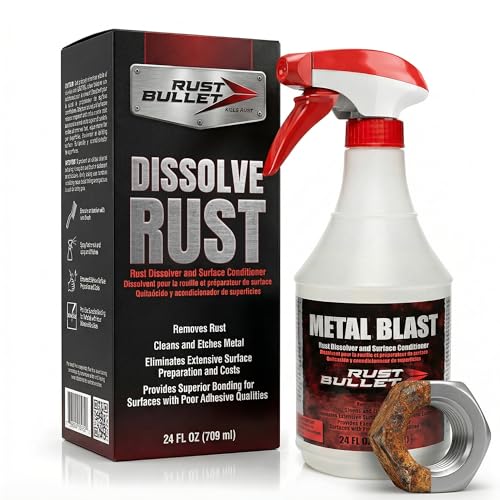
When natural methods don’t cut through heavy rust buildup, commercial rust removers offer powerful, targeted solutions designed specifically for grill maintenance. You’ll find eco-friendly formulations like Metal Rescue, a water-based, non-toxic option that penetrates deep rust while preserving paint and coatings. Its gel form adheres to vertical surfaces—ideal for firebox applications. Apply the gel, cover with plastic, and wait twelve hours for significant removal.
You can also select chemical-free compositions from BBQ House that prioritize food safety without harsh residues. Heat your grill first to loosen rust flakes, then apply your chosen remover. For stubborn rust, store-bought removers can help tackle corrosion that natural methods cannot address effectively. For heavy-duty cleaning that doesn’t require chemicals, pumice-based grill cleaning bricks offer an eco-friendly alternative that removes rust and caked-on residue with just water and light pressure. Grill cleaners specifically designed for multiple surfaces including stainless steel, steel, and porcelain enamel break down built-up grease and burnt-on food while protecting your equipment. According to expert lab tests, top performers like Carbona’s 2-in-1 Oven Rack and Grill Cleaner cut through grime on cold grates in just five minutes. Products like Trinova Stainless Steel Cleaner and Polish excel at removing smudges and leaving a protective finish on grill exteriors. Follow with thorough brushing, complete rinsing, and drying. After removing rust and cleaning your grill, applying high heat spray paint designed for exterior grill surfaces can provide additional corrosion resistance and durability. To further protect your investment, covering the grill when not in use preserves the chromium oxide layer that provides natural corrosion resistance. Finish by seasoning your grill to prevent future corrosion. These commercial solutions deliver results when paired with mechanical scrubbing techniques.
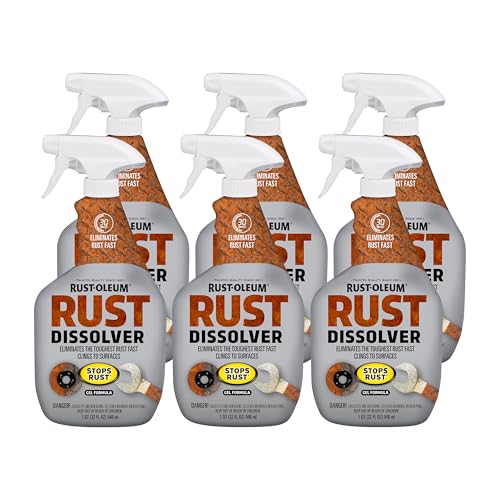
TOUGHER THAN THE TOUGHEST RUST: Easy to use spray gel that clings to iron, steel and other metals to remove rust fast

Tackle bathroom rust with a powerful solution designed for visible results. This formula targets rust on contact and works effectively as a rust cleaner for tubs, showers, sinks, tile, and other indoor surfaces.
Oil Seasoning and Prevention
After you’ve removed rust and cleaned your grill thoroughly, the real protection begins with proper oil seasoning. You’ll coat your grates with high-smoke-point oil like vegetable or canola, then heat them at 350–400°F for 40–60 minutes. Cast iron seasoning requires a generous oil application, while stainless steel seasoning demands a thin, even layer to prevent buildup. Polymerization creates a durable, rust-repelling patina that protects your grates. After each use, brush or wipe warm grates with oil, ensuring complete coverage on all surfaces. Reapply light coats consistently to maintain this protective barrier. Seasoning creates a protective barrier against moisture and rust formation when performed regularly. Deep seasoning treatments should be performed at least once or twice a year to ensure the protective oxide layer remains strong against oxidation. Other excellent oil options include refined avocado, peanut, safflower, sunflower, and grapeseed oils, which all possess elevated smoke points ideal for high-heat grilling. For best results, select oils with high smoke points, similar to those recommended for premium charcoal-grilled foods that require consistent heat management. Just as proper grill preparation ensures even cooking and attractive results, maintaining your grates through regular seasoning prevents rust formation. Avoiding lower-grade stainless steel alloys and investing in 304 stainless steel components ensures your grill withstands rust formation more effectively over time. For long-term grill protection, consider pairing your maintenance routine with a durable grill cover to shield your investment from the elements when not in use. Avoid spray oils—their soy lecithin creates gummy residue. Regular seasoning, especially with fatty foods like burgers, accelerates patina development and extends your grill’s lifespan considerably.
Maintenance Tips for Long-Term Protection
Protecting your grill’s investment requires you to establish consistent maintenance routines that build on the seasoning foundation you’ve already created. You’ll want to implement routine interior cleaning every three to six months, removing ash and grease accumulation from lower grill areas where moisture traps form. Store your grill under an overhang or use protective canvas covers—oversized gas grill covers work economically for small grills, while custom canvas covers suit larger or uniquely shaped models. Consider using grill mats to protect your grill deck and simplify cleanup during regular use. Fire-resistant mats made from recycled tire rubber are particularly effective at preventing damage from heat, drips, and wear on your patio or deck. Choose mats with non-slip textures and liquid dam borders to catch spills and splatters effectively. For routine grill grate cleaning, heat your grill to approximately 400°F and use a heat-resistant sponge brush to effectively remove residue and prevent rust formation. In coastal or poolside environments, wash exterior surfaces regularly to combat environmental exposure. You should address rust spots immediately using a polycarbide abrasive wheel, then re-season bare steel to restore protection. Oiling helps keep grates seasoned and prevents rust from developing on cleaned surfaces. This methodical approach prevents widespread damage and extends your grill’s operational lifespan considerably.