
You’ll uncover that mayo outperforms butter for grilled cheese because its emulsion structure creates a protective barrier preventing sticking. Its higher smoke point of 350°F versus butter’s 302°F tolerates intense heat better, reducing burning risk. Mayo’s oil-based composition generates crispier exteriors while maintaining fluffy interiors through superior Maillard reactions. You’re getting technical advantages that traditional butter simply can’t match—and there’s considerably more to explore about optimizing your technique.
The Science Behind Mayo’s Magic in Grilling
While plain oil slides right off food during grilling, mayonnaise’s emulsion structure clings to surfaces through a sophisticated mechanism: emulsifiers act as time-release oil capsules, allowing you to apply a thick coating that won’t run off or drip onto flames. This emulsion stability prevents excess oil from pooling, which reduces dangerous flare-ups during cooking.
Beyond adhesion, mayo delivers significant flavor enhancement through the Maillard reaction. The egg yolks and proteins interact with sugars when exposed to high heat, generating complex, golden-brown compounds absent in plain oil applications. Additionally, mayo’s oil-based composition withstands temperatures up to 450°F, exceeding butter’s thermal limits and enabling crispier exteriors without charring. For delicate foods like fish fillets, mayonnaise acts as a protective barrier that prevents sticking while the exterior develops that coveted golden-brown crust. To maximize batch cooking efficiency, mayo-based grilled cheese can be prepared on a sheet pan like oven-baked methods, allowing you to apply consistent coating across multiple sandwiches hands-free. Preheating a baking sheet in the toaster oven creates an enhanced crispy texture similar to traditional griddle cooking. You’re fundamentally applying a scientifically engineered coating that enhances both texture and taste simultaneously.
How Mayo Compares to Traditional Butter
Mayonnaise and butter offer distinctly different performance profiles when grilling cheese sandwiches, each excelling in specific dimensions. You’ll notice butter delivers superior flavor profile variances through caramelized milk solids, creating nutty, rich notes that complement cheese. However, mayonnaise’s higher smoke point—reaching 350°F versus butter’s 302°F maximum—provides superior heat tolerance and reduces burning risk.
When considering ingredient substitutions, you gain practical advantages with mayo. It spreads directly from refrigeration without softening, preventing bread tears during application. Butter demands room-temperature preparation for even coating. Texture-wise, both achieve golden-brown exteriors, though mayo produces crispier results with fluffier interiors. Additionally, mayo’s higher fat content enhances the overall flavor of your grilled cheese sandwich. Full-fat varieties like Duke’s mayo deliver the best browning results due to their superior oil composition. For those seeking alternatives with superior heat tolerance, avocado oil spray offers high-heat performance without the fishy odors or propellants found in some canola-based options.
It’s important to note that while grilled cheese sandwiches are a beloved comfort food for humans, they should never be shared with dogs due to high fat and sodium content that can cause serious health issues. You can enhance your butter by seasoning it with garlic powder or salt to add extra depth to your sandwich. Ultimately, your choice depends on priorities. You’ll prefer butter for traditional flavor complexity, yet mayo offers unmatched convenience and cooking performance when softened butter proves unavailable.
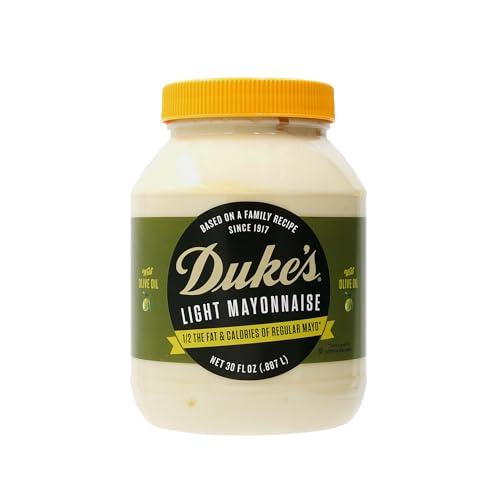
LIGHT MAYONNAISE, OLIVE OIL BLEND: Duke’s Light Mayonnaise with Olive Oil delivers the rich, tangy flavor you expect with a lighter, velvety texture that spreads effortlessly—perfect for sandwiches, wraps, and dips with fewer calories but full-on taste.

The information below is per-pack only

Delicious Flavor - Enhance your salads, fish, meats, potatoes, and more with the creamy and savory taste of Servivita Mayonnaise sauce.
Step-by-Step Technique for the Perfect Sandwich
Executing a grilled cheese with precision requires deliberate attention to three foundational elements: pan selection, heat management, and ingredient preparation. You’ll want to use a heavy-based skillet preheated on medium-low heat, which prevents burnt bread while promoting even cheese melting. Spread butter or mayo generously on both outer bread surfaces for buttery texture enhancement. You can lightly toast the bread’s interior before assembly to add structural integrity. Layer your shredded cheese between bread slices—combining mozzarella with gruyere maximizes melt and flavor. Place the buttered bread slice butter-side down in the hot skillet, add cheese, then top with the second slice butter-side up. Cover the pan with a lid to trap steam and aid melting. Cook three minutes per side, monitoring for controlled browning speed. For superior results with even heat distribution, consider using a sandwich grill machine like those designed for paninis, which provide consistent cooking and controlled pressing. Shred the cheese yourself to avoid the nonstick coating on pre-shredded cheese, which can interfere with proper melting and texture. Sourdough bread is recommended for creating a sturdy sandwich that holds up well to the melting cheese and butter. For an elevated exterior finish, consider using a parmesan garlic butter spread applied to the bread’s outside to achieve a golden, crispy crust with enhanced flavor. The perfect grilled cheese pairs beautifully with a tangy, creamy tomato soup for a complete comfort meal experience. Beyond traditional butter and mayo, oil alternatives like olive oil and avocado oil offer heart-healthy options that can enhance your grilled cheese with complementary flavors. While traditional grilled cheese is high in saturated fat and sodium, these ingredient modifications can help create a more balanced sandwich without sacrificing taste.


Nutritional Breakdown of a Mayo-Grilled Cheese
A single mayo-grilled cheese sandwich delivers approximately 359-607 calories, depending on portion size and ingredient ratios, with fat comprising roughly 53% of total energy intake. You’ll consume 23g of total fat per 108g serving, where mayo fat composition substantially elevates this macronutrient profile alongside cheese’s contribution. Carbohydrates account for 41% of calories at 28g per serving, primarily from bread, though you’ll notice minimal fiber despite this carb presence. Protein content remains modest at 5-14% of daily value, contributing modest muscle support. However, you’ll benefit from substantial calcium, phosphorus, and B vitamins including B12 and riboflavin, supporting bone health and cognitive function. The combination of cheddar and monterey cheeses provides enhanced flavor complexity alongside nutritional density. For optimal cooking results, consider using a propane gas grill equipped with even heat distribution to achieve the perfect golden-brown exterior. Grills with higher BTU output deliver more consistent heat for achieving ideal melting and browning characteristics. Quality gas grills often feature electronic ignition systems that ensure reliable and consistent cooking performance. Top models like the Weber Genesis SX-335s offer 39,000 BTUs and a sear zone for precision cooking control. A typical serving contains approximately 1180 calories when accounting for complete meal composition. The cheese calorie content and mayo fat composition create a nutrient-dense but calorie-dense meal requiring mindful portion consideration.
Creating a Healthier Version Without Sacrificing Taste
While the traditional mayo-grilled cheese offers satisfying flavor and texture, you’re consuming roughly 53% of calories from fat—a macronutrient profile you can optimize without compromising taste or the sandwich’s structural integrity. You can substitute Greek yogurt mixed with lemon juice, salt, and pepper for a creamy spread reducing overall fat content substantially. Alternatively, you’ll achieve superior browning using avocado oil or olive oil instead of mayo, maintaining the desired crispy exterior while delivering healthier monounsaturated fats. Switching to lower-fat cheese varieties like Swiss or Provolone and adding tomato slices provides moisture and natural acidity, eliminating the need for calorie-dense spreads. These reduced fat alternatives enable simplified meal preparation while preserving the grilled cheese’s essential textural qualities and flavor profile. For optimal results, consider using a flat top griddle on your stovetop to ensure even heat distribution across the entire sandwich surface. For even more nutritional benefit, consider incorporating grill marks by using proper grill timing and technique to add visual appeal and depth of flavor, similar to how grilled vegetables develop caramelized exteriors. A grill pan with raised ridges can replicate these professional grill marks on your stovetop, bringing outdoor grilling results directly to your kitchen. Just as asparagus benefits from medium-high heat to achieve optimal tenderness with slight char, your grilled cheese requires careful temperature control to balance browning with melting. Sourdough bread with its nooks and crannies allows the melted cheese to work deeper into the bread structure for improved flavor integration. Adding vegetables like tomatoes not only reduces need for excess cheese but also enhances the sandwich with additional fiber, vitamins, and minerals.

The Greek Gods Greek Yogurt Style, Honey, Probiotic, All Taste No Tang, No Artificial Flavors, Kosher, 24 Ounce (Pack of 6)

Greek God Greek Yogurt Style, Plain Traditional, Kosher, RBST Free, 24 Ounces (Pack of 6)

365 by Whole Foods Market products give you that dance-down-the-aisles feeling, virtual aisles too! Our huge range of choices with premium ingredients at prices you can get down with makes grocery shopping so much more than tossing the basics in your cart.