
You’re experiencing all three heat transfer mechanisms when you grill, but thermal radiation dominates, delivering roughly 60-70% of your total energy. Metal grates conduct direct heat through molecular contact, creating those characteristic grill marks. Convection circulates hot air around your food. Understanding how these mechanisms interact—and why radiation claims the lion’s share—reveals the science behind achieving perfect char and flavor development.
Understanding Direct Contact Heat Transfer Through Conduction
When you place food on a charcoal grill, conduction—the direct transfer of heat through molecular contact—becomes your primary cooking mechanism. You’re relying on metal grates that absorb and transmit thermal energy directly to your food’s surface through physical contact alone.
This process operates independently of surrounding air or flames, limiting heat transfer to contact zones. You’ll achieve uniform heat transfer across these areas, creating characteristic grill marks where temperatures spike highest. Preheating your grates to maximum temperatures hastens this transfer. However, charcoal grills also employ radiation from the hot coals and flames, which reflects energy toward your food even without direct contact. The thickness of your food determines how long conduction must work inward to cook the interior completely.
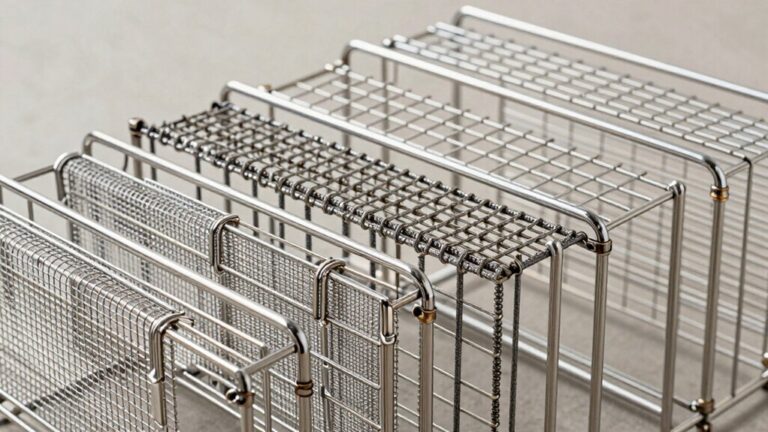
Your grate material matters considerably. Cast iron and ceramic surfaces excel at maintaining temperature consistency due to their superior thermal mass, similar to how cast iron pans develop a well-developed crust when searing steaks. Lodge’s pre-seasoned cast iron grill pans are particularly effective at achieving even heating and maintaining consistent temperatures across the cooking surface. Stainless steel grates offer excellent rust resistance and require minimal maintenance compared to cast iron alternatives, much like the 304 stainless steel construction found in top-performing grill models. Many premium grills offer interchangeable grates that allow you to switch between materials based on your cooking needs and preferences. You’ll maximize conduction efficiency by oiling grates before cooking, eliminating air gaps that reduce contact effectiveness. This direct contact mechanism remains essential for searing exteriors while preserving interior doneness.

Fits For Chargriller 2121, 2123, 2222, 2828, 3001, 3008, 3030, 3072, 3232, 3725, 4000, 4001, 4008, 4208, 5050, 5072, 5252, 9020 Gas Grill Models
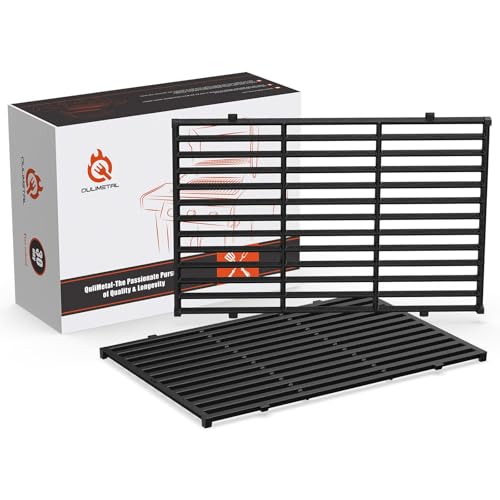
【Compatible with Weber Spirit & Genesis Models】 Precisely engineered to fit Weber Spirit 300 Series including Spirit E310, S310, E315, S315, E320, E330, S320, S330, as well as Spirit 700, for Weber 900, and multiple Genesis models like Genesis Silver B/C, Gold B/C (2002+), Genesis 1000–3500 and Genesis Platinum (2000–2010). - Not compatible with Genesis Silver A. - Replacement for Weber parts #7638, 7525, 7527, 65619, 65906. Also fits Weber SmokeFire EX4 / EX6 pellet grills. This set is a direct for weber spirit 300 grill grates replacement, ideal for weber spirit grill parts with confidence and precision.

✅ Special Notes for this item: If you are looking for parts, the BRAND and MODEL No.# listed below are just for your reference. Please Kindly check again for the SIZE and MODEL of your original parts before purchasing. if you have any problem with the item, please feel free to contact us 7 * 24 Hours. ✅Cast iron grids are fragile and may be broken during transportation. If you meet this situation, please feel free to email us and ask for solution.
The Role of Thermal Radiation in Charcoal Grilling
How does invisible energy from glowing coals cook your food faster than heated grates alone? Thermal radiation dominates heat transfer in charcoal grills, accounting for most energy delivery to your food. White-hot charcoal reaching 1200°F emits intense infrared signatures that you can’t see but your food absorbs directly. These infrared waves penetrate your food’s surface, vibrating molecules to generate internal heat rapidly—far faster than conduction through grates. Unlike convection’s gradual hot air circulation, radiation provides immediate, intense searing. Your grill’s kettle shape enhances this effect through surface-to-surface interactions, reflecting radiation absorption patterns evenly across your cooking surface. The curved kettle walls reflect heat inward, creating a hot spot at center unless coals are arranged strategically in a ring formation. This radiation absorption mechanism explains why direct grilling achieves charbroiled flavors and browning in minutes, making thermal radiation your grill’s primary cooking engine. For thicker cuts requiring longer, more controlled heat exposure, the reverse-sear technique combines the benefits of both direct and indirect heat zones. In the indirect zone, convection carries energy through circulating hot air to cook larger cuts of meat more evenly and slowly than direct heat methods.
Temperature Ranges Across Different Grill Zones
Now that you understand how thermal radiation from glowing coals delivers intense heat to your food, you’ll need to master the temperature zones that make charcoal grilling so versatile. You’ll create localized temperature gradients by strategically placing charcoal—concentrating briquettes generates direct heat zones reaching 400–475°F, while empty sections provide indirect zones at 225–300°F. The two-zone setup gives you flexibility: sear foods on the hot side, then finish on the cooler side. Three-zone configurations offer uniform heat distribution through a graduated approach, sloping charcoal from deep piles to single layers. Before grilling, ensure your grill grates are clean and oiled to prevent sticking and optimize heat transfer. Keeping the lid on during cooking maintains higher temperatures for longer and improves energy efficiency, while routine grill maintenance such as removing ash supports optimal heat retention. Many top performers like the Napoleon Pro kettle deliver superior searing capability through precise temperature control. You’ll control these zones by adjusting air dampers to regulate airflow and monitoring temperatures with a thermometer, enabling precise heat management for any cooking application. For even greater refinement, adjustable grates allow you to raise or lower the cooking surface to fine-tune your heat delivery and achieve consistent results across different cooking styles. The Smokin Champ’s adjustable charcoal tray provides further refinement for achieving your target cooking temperature.

Spacious Cooking Area: 384 sq. in. porcelain-enameled steel wire cooking grates and 106 sq. in. stainless steel warming rack provide a total of 490 sq. in. cooking space respectively, serving up to 10 people
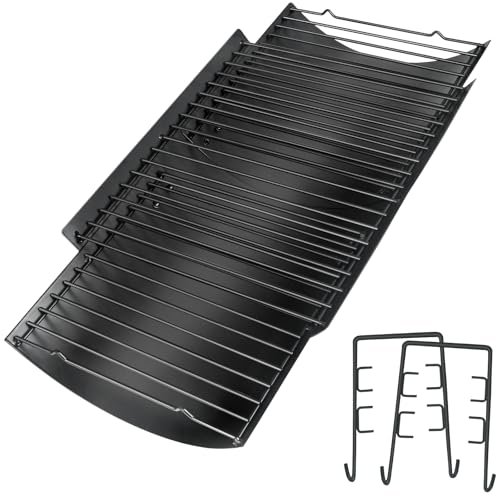
This universal adjustable Ash Pan for charcoal grill fixed by screws, allowing for easy adjustment from 23" to 34" in length. Upgrading to multi-spot welding makes this ash tray long-lasting, firmer, and less prone to damage.

【The Art of Fire — Santa Maria / Argentinian Grill】 Rooted in the tradition of South American live-fire cooking, this Santa Maria grill (Argentinian parrilla grill) brings fire, smoke, and flavor into perfect balance. As a true open fire grill, it allows you to adjust the height of the grate over the flame, delivering precise heat control and an authentic wood-fired experience
Charcoal Combustion and Heat Output Characteristics
Why does your charcoal burn so differently depending on how you manage your vents? Your vent positioning directly controls oxygen supply, which dictates combustion intensity and temperature output. Fully open vents increase airflow, pushing temperatures toward 600–650°F for aggressive searing. Partially closing vents restricts oxygen, slowing your burn rate to maintain 225°F for smoking operations.
Fuel density considerations considerably impact performance. Lump charcoal burns hotter and faster with minimal ash, while briquettes provide consistent, longer-duration burns. Binchotan achieves exceptional heat retention with extended burn times and low residue. Premium charcoal types like binchotan and coconut shell offer specialized benefits for different grilling preferences and environmental considerations. Charcoal’s porous nature allows oxygen to penetrate the fuel matrix, directly affecting how efficiently heat is generated during combustion. This infrared heat capability enables charcoal to sear food without drying it out, preserving moisture in your meats. Pure 100% charcoal pellets offer superior heat output and clean-burning properties compared to blended alternatives for consistent temperature control. Lump charcoal’s dense carbon structure is ideal for searing and refueling without excessive smoke or undesirable tastes.
Burn rate optimization requires matching charcoal type to your cooking method. For smoking operations, sourcing high-quality, natural charcoal from trusted retailers ensures consistent performance and clean flavor without unwanted additives. Direct heat placement above coals delivers searing capability, while positioning fuel off-center creates indirect zones. With your lid on, you’ll trap heat efficiently and sustain temperatures longer than lid-off cooking.


8 LB. BAG ALL-NATURAL HARDWOOD LUMP CHARCOAL FOR GRILLING, SMOKING & OUTDOOR BBQ COOKING – Upgrade your grilling experience with Mr. Bar-B-Q Lump Charcoal, made from a premium blend of 100% natural hardwoods for a clean, hot, and flavorful burn. Perfect for charcoal grills, smokers, kamado cookers, and portable BBQ setups, this high-quality lump charcoal delivers rich smoky flavor, consistent heat, and low ash for better performance and easier cleanup. Whether you're firing up a chimney starter, searing over high heat, or slow-smoking your favorite meats, poultry, seafood, or vegetables, this charcoal is the ideal choice for BBQ enthusiasts, grill masters, and outdoor cooks.

128 ounce bag of hardwood lump charcoal
The Maillard Reaction and Flavor Development at High Temperatures
Once you’ve optimized your charcoal’s combustion to reach the high temperatures your grill demands, you’re ready to trigger the chemical transformations that define premium grilled flavor. The Maillard reaction initiates around 285°F (140°C) but intensifies above 300°F (150°C), where amino acids and reducing sugars recombine into hundreds of volatile compounds. You’ll witness flavor volatilization as melanoidins form, creating that mahogany bark on brisket. These maillard byproducts—phenols, carbonyls, and stable aroma substances—develop complexity impossible through slow cooking. Your charcoal’s radiant infrared accelerates this reaction while smoke from drippings vaporizing on coals amplifies the taste profile. Patting meat dry beforehand facilitates immediate browning; avoiding basting maintains the surface temperature necessary for rapid, flavorful transformation. The smoke from fat drippings and juices further enhances the Maillard reaction, layering additional smoky complexity into your final dish. Controlling moisture and cooking time enhances the Maillard reaction, maximizing flavor and texture while preventing the steaming that inhibits proper crust development. Choosing cuts with good marbling like ribeye or New York Strip provides sufficient fat content to create flavorful smoke compounds during the searing process. Using a meat thermometer ensures you achieve the ideal internal temperature for your preferred doneness rather than relying solely on cooking time estimates. Top charcoal grills like the Slow N Sear Master Kettle feature built-in systems that maintain the precise high temperatures needed to trigger optimal Maillard development. After achieving that flavorful crust through direct heat searing, resting the steak for several minutes allows the juices to redistribute throughout the meat before serving. The reverse sear method combines initial low-temperature cooking with a final intense sear to develop both smoke infusion and a perfect crust.
Harmful Compounds: HCAs and PAHs Formation During Grilling
While the Maillard reaction generates the desirable complexity you’re pursuing, it simultaneously creates two classes of potentially harmful compounds: heterocyclic amines (HCAs) and polycyclic aromatic hydrocarbons (PAHs).
HCAs form when amino acids, sugars, and creatine react at temperatures exceeding 300°F. You’ll find well-done grilled meat contains up to 10 times more HCAs than rare preparations. PAHs develop when fat drippings ignite, producing carcinogenic smoke that adheres to your meat’s surface. Processed meats like hot dogs and sausages present additional concerns due to nitrates and nitrites that can convert into harmful chemicals when exposed to high heat during grilling.
Red meats generate higher concentrations due to elevated creatine content. Charcoal grills intensify PAH production through hotter burns and increased smoke generation. Evidence suggests that high consumption of grilled meats is linked to an increased risk of certain cancers and higher mortality rates. To minimize smoke exposure, ensure you close all vents completely once your cooking is finished to safely extinguish the coals. Lining grill grates with aluminum foil can trap heat and restrict airflow, further elevating heat-related risks and potentially increasing harmful compound formation. Currently, no Federal guidelines address the consumption of foods containing HCAs and PAHs, leaving the decision to minimize exposure largely in your hands. Additionally, maintaining clean grill grates prevents rust buildup that could introduce iron oxide and other contaminants to your food. Using natural cleaning ingredients like baking soda and vinegar helps preserve your grill’s longevity while avoiding chemical residue.
You’ll mitigate these risks through doneness monitoring, keeping meat medium-rare, and trimming excess fat. Marinade application before grilling also reduces HCA formation, offering you a practical strategy for safer charcoal cooking.
Smoke Composition and How It Flavors Your Food
The smoke enveloping your charcoal grill contains up to 100 distinct compounds—microscopic solids like char and creosote, gases including carbon monoxide and nitric oxide, and liquids such as water vapor—that collectively determine your food’s final flavor profile. Guaiacol and syringol, present in trace amounts, drive smoky taste and aroma through flavor compound distribution across your meat’s surface. Absorption kinetics depend on food composition: fats bind non-polar molecules while water binds polar molecules. Phenolic compounds from lignin combustion act as antioxidants, contributing complexity. Different hardwoods like hickory impart distinct flavors depending on their composition and burn characteristics, and mild, sweet fruitwoods such as cherry are particularly versatile when blended with stronger woods. Blending apple wood with stronger woods like hickory or oak can add complexity while maintaining a balanced smoke profile. Thin blue smoke signals efficient combustion, delivering ideal flavor without bitter acrid notes. Smoldering wood due to insufficient oxygen produces different flavor than burning, fundamentally altering your meat’s taste profile. Managing airflow and temperature guarantees clean smoke production, maximizing desirable compounds while minimizing harmful hydrocarbons that compromise both taste and safety. The pink smoke ring serves as a visual indicator of combustion efficiency, though it primarily results from gases binding with myoglobin rather than indicating depth of smoke flavor penetration. Avoiding softwoods and resinous species ensures your food develops clean smoke flavor rather than unpleasant chemical notes that compromise the meat’s quality. For long smoking sessions, kiln-dried wood chunks are preferred over chips because they burn longer and provide consistent smoke throughout extended cooks.
Moisture Management and Texture Transformation Through Caramelization
As your charcoal grill’s radiant heat strikes food surfaces, it initiates a dual process: moisture evaporation and sugar oxidation that fundamentally restructures texture while developing complex flavors. You’ll observe onions shifting from crisp to silky as water releases, then brown into nutty profiles once sugars concentrate. Meats develop crusty exteriors while retaining juicy interiors through controlled dehydration—a 20-minute to one-hour transformation monitored by evaporation rates.
Charcoal’s intense infrared radiation accelerates caramelization at approximately 300°F, simultaneously enhancing Maillard reaction when amino acids combine with liberated sugars. Your proximity control determines outcomes: direct zones rapidly evaporate surface moisture for crust formation, while indirect areas preserve internal juiciness. Fat drippings vaporizing on coals infuse balancing steam, yielding textural contrast and intensified flavor depth unmatched by gas alternatives. Premium lump charcoal brands like Jealous Devil and Rockwood provide superior heat consistency for maintaining precise temperature control during the caramelization process. To maintain optimal grill performance and ensure even heat distribution, regularly clean your grill grates with grill cleaners designed to remove baked-on residue. The aromatic compounds released from burning wood charcoal create the distinctive smoky flavor that defines charcoal-grilled meat. Quality charcoal selection impacts both burn duration and flavor intensity, with lump charcoal generally burning hotter and cleaner than briquettes for optimal results. Blending different wood types and intensities allows you to balance smoke flavor and match the cooking duration to your protein. Cherry wood chips offer a light, sweet, mild-to-medium fruity profile that complements any meat without overpowering the natural flavors. The breakdown of cellulose and lignins in charcoal produces phenols and carbonyl compounds that impart additional smoky and sweet aromas to your grilled foods.