
You’ll achieve restaurant-quality grilled asparagus by preheating a cast-iron grill pan on medium-high heat for 2-3 minutes. Coat thick spears with avocado oil (520°F smoke point) and season generously with kosher salt and freshly ground black pepper. Arrange asparagus in a single layer, rotating every minute or two for 5-8 minutes until bright green with brown char marks appear. Finish with fresh lemon juice and Parmesan cheese. The techniques for perfecting texture and doneness reveal surprising nuances worth exploring.
Essential Equipment and Tools
Before you’ll achieve perfectly charred asparagus on your stovetop, you’ll need the right equipment. The Demeyere Specialties 5 Grill Pan‘s five-layer steel construction distributes heat evenly across its ridged surface, capturing spears for authentic char marks. You’ll want Napoleon Grilling Pincer Tongs with heat safe handles—their stainless steel construction won’t warp under medium heat. The Napoleon 2-in-1 Spatula Tong combines flipping efficiency with a slotted design that prevents tearing delicate spears.
For securing smaller pieces, you’ll benefit from a Char-Broil Vegetable Basket featuring diamond patterns and heat-resistant coating. Mesh grill baskets offer non stick capabilities essential for easy handling and drainage. Simple and reliable tools like these baskets are often the most useful for preventing delicate vegetables from falling through grates. The grill pan’s silvinox treatment prevents staining and maintains its appearance through repeated use.
Finally, consider an asparagus pot doubling as a grill pan. Its 4-liter capacity works across all cooktop types—gas, electric, ceramic, halogen, or induction—offering dishwasher-safe convenience. Proper preheating of your pan ensures the ridges reach the right temperature for those coveted sear marks on your asparagus. Select thick asparagus spears as they’re easier to handle and less likely to slip through your grill pan’s ridges. For optimal griddle cooking performance, invest in a heavy-duty stainless steel spatula designed for professional-grade heat management and durability. For outdoor enthusiasts transitioning their techniques indoors, you can adapt the foil packet method by placing seasoned asparagus in foil directly on your grill pan for easy cleanup. When selecting your basket, consider the hole or grid patterns that will create the best grill marks while preventing smaller asparagus tips from slipping through.
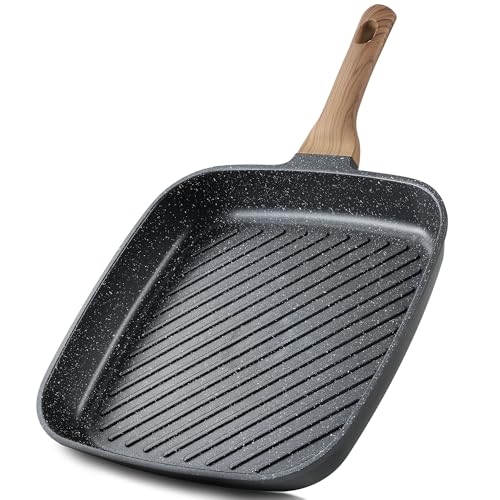
Universal Stovetop Compatibility—Carote grill pan can work flawlessly on gas, induction, electric, and ceramic cooktops. Seamlessly transitions from indoor kitchens to outdoor cooking setups.

Nonstick & Easy to Clean: The Switzerland ILAG nonstick coating is very effective in preventing anything from sticking to the surface, even with minimal oil, and also makes cleaning a breeze, just wipe it with a paper towel or rinse it with water. Free of PFOA and PFOS.

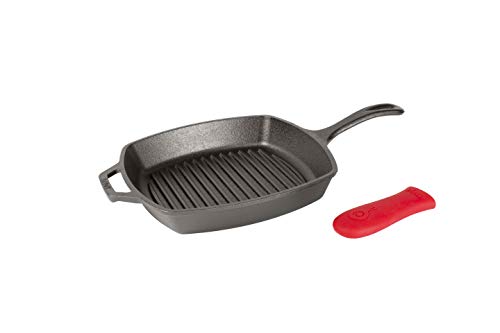
Steakhouse Sear At Home: The Lodge Square Cast Iron Grill Pan delivers high-heat searing and bold grill marks while channeling excess grease away
Preparing Your Asparagus
Since you’ve assembled your grilling equipment, the next critical step is selecting and preparing quality asparagus spears that’ll withstand high heat and deliver ideal results. When selecting ideal stalks, choose thick spears with firm, crisp texture and bright green coloring. Thicker stalks hold up better during cooking and guarantee even heat distribution.
Trim the woody bottom 1.5 to 2 inches by snapping each spear at its natural breaking point. Wash thoroughly under running water to remove sand and debris, then pat dry with paper towels. Coat trimmed spears with oil and season with salt and pepper. Optional garlic powder and crushed red pepper enhance flavor development. For grilling vegetables like asparagus, preheating your stovetop grill to medium-high heat ensures proper caramelization and prevents sticking. Cut the spears into uniform pieces to promote even cooking and consistent texture throughout. Store leftovers in an airtight container and use within 3 days to maintain optimal freshness and texture. Arrange spears in a single layer, ensuring adequate spacing for consistent browning and heat circulation throughout the cooking process. Unlike boiling or steaming methods that typically result in limp and mushy asparagus, the stovetop saute method preserves the bright green color and firm texture of your spears. The typical grill timing of 7-10 minutes allows for proper charring while maintaining a tender-crisp texture. Using high-heat oils sparingly prevents excess smoke while creating the perfect sear on your asparagus spears. For enhanced flavor, marinating vegetables in a mixture before grilling can improve both taste and tenderness.
Seasoning and Oil Selection
To achieve perfect char and flavor on your stovetop-grilled asparagus, you’ll need to select an oil with a high smoke point and apply seasonings strategically. Avocado oil offers the highest smoke point at 520°F, making it ideal for intense heat. Coconut oil and ghee provide excellent alternatives for high-heat sautéing. Extra virgin olive oil, while lower in smoke point, delivers robust, peppery flavor pairings that complement asparagus’s herbaceous notes. Use approximately 1 tablespoon per pound of asparagus.
In a medium bowl, toss asparagus with your chosen oil to coat evenly. Apply generous kosher salt and freshly ground black pepper, then toss again. For best results, season the asparagus to help it soften and char properly on the stovetop. Grilling asparagus enhances the natural flavors by developing a smoky and sweetly caramelized exterior. This smoke point comparison confirms your spears char without burning while developing optimal flavor complexity. If you’re looking to expand your outdoor cooking capabilities, consider investing in a propane flat top griddle that can reach temperatures exceeding 700°F for perfect vegetable char. When grilling outdoors on a deck, protect your surface with a grill mat for composite decking to prevent heat damage and catch oil drips. For even heat distribution across your cooking surface, look for models with multiple burner configurations that help eliminate hot spots and ensure consistent results. Alternatively, if you already own a gas grill, a griddle insert can transform your existing setup into a versatile flat-top cooking surface without requiring a full equipment replacement. The Solo Stove Steelfire offers 486 square inches of cooking surface with dual burners, providing ample space for grilling vegetables alongside other dishes.

Graza Frizzle Oil Made from 100% Olives: A neutral-flavored, high heat cooking oil made from 100% peak harvest olives. With a smoke point of up to 450 degrees, Frizzle is your high-heat kitchen hero. 1 bottle/750ml.

America's #1 Avocado Oil for Cooking — Every batch of Chosen Foods avocado oil is independently tested to confirm 100% pure avocado oil with no fillers or seed oil blends. Our purity standard was verified by UC Davis as one of only two avocado oil brands to pass their rigorous quality test. This bottle delivers the clean, neutral taste and consistent high-heat performance that has made Chosen Foods the avocado oil of choice for home cooks, professional chefs, and clean-eating households across the United States.

Light Buttery Flavor That Elevates Every Meal: Algae Cooking Club Chef-Grade Algae Oil enhances every dish with subtle richness. Its neutral profile makes it ideal for searing, baking, and dressings, transforming everyday meals into gourmet experiences.
Cooking Techniques and Timing
Once you’ve prepped your asparagus and selected your pan, proper equipment and heat management become critical to achieving ideal char and tenderness. Set your burner to medium-high—this temperature prevents burning while ensuring thorough cooking. Preheat your cast-iron or grill pan for two to three minutes before adding oiled spears.
Arrange asparagus in a single layer, then cook for five to eight minutes with frequent turning. Heat moderation keeps exterior surfaces from charring excessively while interiors remain tender. Thinner spears require reduced cooking duration—check doneness at four minutes. Unlike outdoor grilling which cooks at 450 degrees Fahrenheit, stovetop cooking requires careful temperature monitoring to prevent the asparagus from burning. For best results, listen for the sizzle as asparagus cooks to confirm proper heat contact with the pan surface.
Maintain cooking consistency by flipping spears every minute or two. Your asparagus is done when it displays bright green coloration with brown char marks, bends slightly under pressure, and achieves fork-tender texture throughout. After cooking, let the asparagus rest for a few minutes to allow juices to redistribute before serving. Similar to grilling corn, this method combines the effects of both steaming and roasting to lock in moisture while developing a flavorful char. The raised ridges on a grill pan create authentic grill marks while allowing excess moisture to drain away from the asparagus. For easy cleanup, you can also wrap asparagus in foil packets with olive oil and seasonings, then place them directly on your grill pan. Consider enhancing flavor by brushing spears with a garlic butter mixture before or after cooking.

【2-in-1 Reversible Grill & Griddle】: Unlock a world of recipes with a single reversible griddle pan. One ribbed side creates perfect sear marks on steaks, chops, fish, chicken, and veggies; flip to the smooth side for pancakes, eggs, bacon, burgers, tortillas, and more. Ideal for indoor stovetop or outdoor BBQ

Double Burner Configuration: The Lodge Double Play Reversible Cast Iron Grill/Griddle covers two burners, offering a generous breakfast grill plate for family breakfasts or meal prep with ease
Achieving Perfect Doneness and Serving
Knowing when your asparagus has reached its ideal state requires attention to visual cues, tactile feedback, and timing variables that work together. Pierce the thickest stalk with a fork—minimal resistance signals readiness. Bend gently; the spear should flex slightly without becoming limp. Look for bright green color with charred spots on all sides and browning ends.
Remove your asparagus at the crisp-tender stage to account for carryover heat. Thin spears finish around four minutes; thicker ones need eight to ten. To prevent garlic from burning when cooking asparagus with garlic flavoring, add the garlic after the asparagus has already begun to soften, or mince it finely and toss it with oil before combining with the spears.
For serving, squeeze fresh lemon juice immediately after grilling. Sprinkle Parmesan cheese while warm, then season with salt and pepper. Crumbled bacon can be added as an optional finishing touch for extra smoky flavor. Every grill is different, so achieving perfect doneness is more of an art than a science. Use quality oils such as avocado or olive oil to enhance the natural flavors of the grilled asparagus. Oils with high smoke points, such as refined avocado or canola oil, are particularly well-suited for high-heat cooking methods like stovetop grilling. Serve at your preferred serving temperature—warm or chilled—and consider pairing with lemon zest or garlic for enhanced flavor pairings that complement the charred, tender stalks perfectly. If you have leftovers, allow the asparagus to cool completely before storing to preserve its texture and prevent condensation in storage containers. After cooking, wipe down your flat top grill with a natural solution of equal parts white vinegar and warm water to remove any remaining residue.